Gun Law Trendwatch: Holding the Gun Industry Accountable
While states save lives by ensuring responsible behavior by the firearm industry, the gun lobby demands even more immunity.
Recently, there has been a growing demand from people across the country for accountability from the gun industry.
When gun companies engage in reckless and illegal conduct that floods our communities with firearms and costs people their lives, people expect them to be held responsible. As more and more people have been severely injured by allegedly defective guns in recent years, the need for responsibility in the industry has only become more clear.

So why hasn’t the gun industry faced much accountability for its dangerous actions? It’s because of a federal law passed in 2005, known as the Protection of Lawful Commerce in Arms Act (PLCAA), which gives gun manufacturers and sellers broad immunity from civil lawsuits.
But this immunity isn’t absolute. It explicitly allows for lawsuits against gun industry members who knowingly violate a state or federal law—so all states need to do is enact and enforce laws establishing standards of responsible conduct for the gun industry.
State lawmakers have heard the public’s demand and taken action—since 2021, 10 states have enacted firearm industry responsibility bills, which require members of the gun industry to implement reasonable controls to prevent theft and trafficking, and allow the gun industry to be held accountable when it refuses to do so.
As 2026 legislative sessions begin across the country, some states are continuing to advance firearm industry responsibility bills, as well as a broader range of legislation ensuring accountability for the gun industry. However, there is an alarming counter trend: The gun industry is aggressively pushing for more immunity than ever.
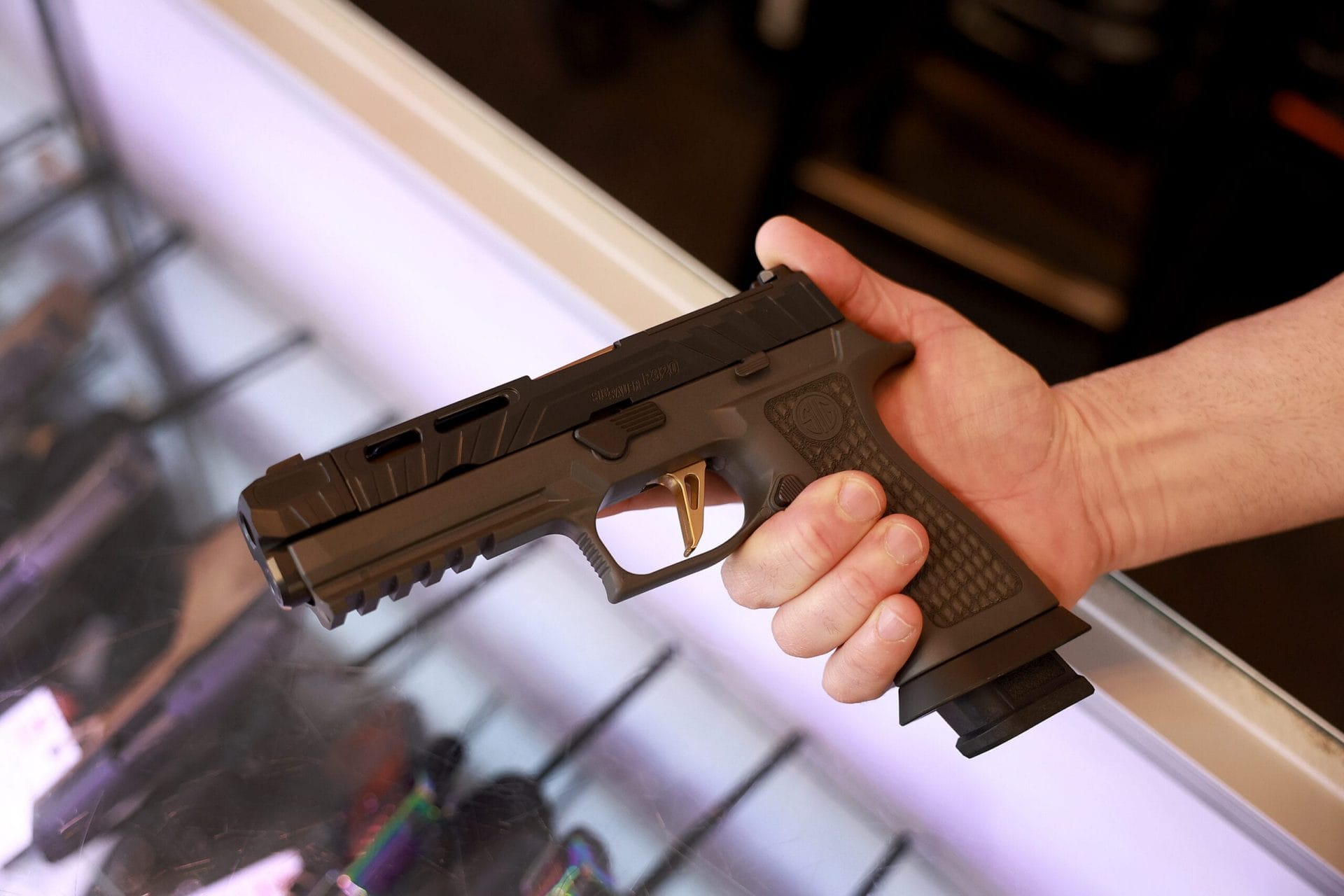
Handguns have a long history of safety issues, from cheap “junk guns” that are prone to misfire to the lack of design safety features like load indicators to prevent accidental shootings. But perhaps the clearest recent example of this is the Sig Sauer P320 handgun, which lacks any sort of external safety and has been widely reported to fire without the trigger being pulled, injuring gun owners and law enforcement officers across the country.

In response to the gun’s alleged defects, law enforcement agencies across the country have prohibited or begun phasing out its use among their officers, including by sheriff’s offices in Florida, police departments in Texas and Wisconsin, and by Washington state’s police academy—a prohibition that Sig Sauer unsuccessfully sued to try to block.
Yet Sig Sauer continues to market and sell the weapon and injuries continue to occur. As a result, the company has faced lawsuits due to the gun’s allegedly defective nature and its failure to warn the public about the gun’s risks—including cases from gun owners and law enforcement officers in Georgia, Pennsylvania, and Texas. These lawsuits would appear to fall within an exception to PLCAA, which allows lawsuits based on “a defect in design or manufacture” of a firearm.
Rather than address the underlying safety issues with their product, Sig Sauer has begun asking state legislatures for even more immunity from lawsuits so it can continue selling this dangerous product, leaving no recourse for the people who are harmed as a result. The company has seen some success: Last year in New Hampshire, where Sig Sauer is headquartered, lawmakers inserted last-minute immunity language into the state budget, avoiding public input or debate, and that language was enacted into law. Legislation has since been introduced to repeal that immunity.
In 2026, the industry is now seeking to enact this language elsewhere, including in Florida (HB 1551/SB 1748), despite objections from law enforcement. If enacted, this harmful bill would shut down one of the few avenues that allows people to hold the gun industry accountable when it knowingly sells defective and unsafe products that cause injury or death.
Similar or related legislation is also pending in Georgia (SB 231), Kentucky (HB 78), Massachusetts (HB 2699), Oklahoma (HB 2960), South Carolina (HB 4723), and Utah (HB 214). All of these pending bills would expand immunity for the gun industry, and some would provide immunity to gunmakers that sell handguns that are easily converted into fully automatic machine guns.
The gun industry’s push for even more immunity than it already has is disconcerting, but it has also encouraged an increasing number of states to enact firearm industry responsibility laws.
Last year, Connecticut became the 10th state to enact a bill establishing responsible business practice requirements for the gun industry and allowing victims of gun violence and government officials to seek justice from industry members that violate the law. This law will ensure that gun sellers that ignore public safety, arm criminals, or supply gun traffickers can be held accountable.
Additional states are similarly showing leadership in this fight. In Virginia, which has a new Democratic governor, lawmakers in both the state house and senate are currently advancing industry accountability legislation (HB 21 and SB 27) requiring the industry to engage in reasonable controls to prevent theft, unlawful sales, and other risks to public safety. This bill is moving forward alongside other basic gun safety measures, like restrictions on assault weapons and large-capacity magazines.
Lawmakers in Massachusetts (HB 2672) and Rhode Island (SB 2611) are also considering similar legislation. Like laws in other states, these bills would require reasonable controls by firearm industry members, including refraining from marketing their products toward illegal purchasers like children and refraining from promoting the conversion of firearms into illegal machine guns.
The legislation in Massachusetts was passed by the House’s Public Safety and Homeland Security Committee at the end of January, and is now awaiting consideration by the Ways and Means Committee; the legislation in Rhode Island is awaiting consideration by the Senate Judiciary Committee.
Additional Avenues for Accountability
Many states, including those that have already enacted firearm industry responsibility bills, are exploring other commonsense measures to set standards of conduct for the gun industry.
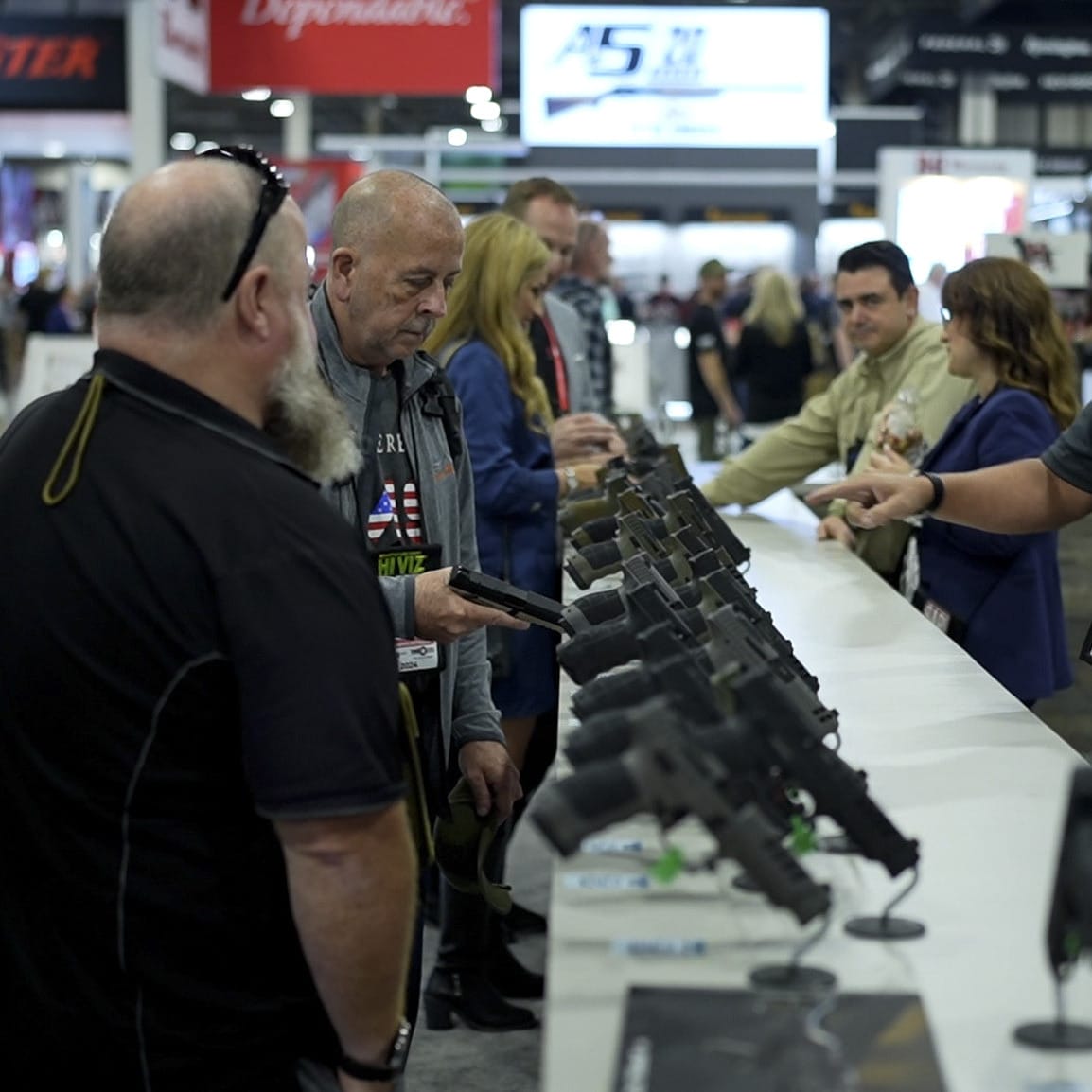
In some states, lawmakers are focusing on bills to establish new business standards for gun dealers to prevent theft and unlawful sales. Legislation in Maine (LD 1821) has been introduced to establish minimum security requirements for firearm dealers and ensure employees are properly trained to prevent illegal sales. And in Missouri (HB 2950), the Gun Theft Prevention Act would require gun dealers to create a security plan and conduct an annual inventory review to protect against and identify firearm thefts.
Other states are acting to stop the gun industry from selling unusually dangerous guns. In addition to its firearm industry responsibility bill, Virginia (HB 40 and SB 323) is also advancing legislation to prohibit the manufacture, sale, or possession of ghost guns, which are untraceable firearms that can be purchased as a kit with no background check and easily assembled into a fully functional weapon.
In Illinois (HB 4471), the Responsible Gun Manufacturing Act has been introduced and would prohibit the sale of pistols that are easily converted into machine guns through the use of devices like auto sears. These types of converted pistols can fire over a dozen rounds per second, causing more casualties in shootings and threatening the lives of law enforcement officers.
Finally, lawmakers in New York (SB 8608) and Illinois (SB 3909) have proposed legislation to establish a heightened standard of conduct for gun industry members doing business with the state government. The bills would require that any gun dealer contracting with the state be properly licensed, not sell dangerous products like ghost guns, and disclose what policies and practices they have in place to train employees, prevent illegal firearm sales, and assist law enforcement in investigating thefts.
By stepping up and enacting firearm industry responsibility bills, lawmakers can combat gun trafficking and make our communities safer. The industry’s current immunity only encourages “head in the sand” behavior, turning a blind eye to illegal sales in order to maximize profits—with everyday people paying the price.
Industry responsibility laws remove this perverse incentive and make sure that the gun industry has a financial interest in behaving responsibly. Crucially, these laws also provide much needed access to justice for those who are harmed by illegal gun industry behavior.
We know that states with stronger gun safety laws, including industry accountability laws, see fewer lives lost to gun violence. It is within our power to address this crisis, and we hope that legislators will do so by continuing to pursue gun industry accountability in 2026.
GET THE FACTS
Gun violence is a complex problem, and while there’s no one-size-fits-all solution, we must act. Our reports bring you the latest cutting-edge research and analysis about strategies to end our country’s gun violence crisis at every level.
Learn More
The Latest

City of Philadelphia and DA Krasner File Lawsuit Against GLOCK, Inc., For the Company’s Role in Gun Violence Crisis
GIFFORDS urges Minnesota Republicans to pass commonsense gun laws