The Gun Industry’s “Empowerment” Marketing and Stand Your Ground Laws Fail Women
The gun industry has long wielded marketing as a powerful tool, linking firearms not just to protection or sport, but to identity, power, and gender roles.
While much attention has focused on toxic masculinity in gun culture, in recent years a new and equally manipulative narrative has emerged targeting women: The promise that a gun, combined with Stand Your Ground laws, will empower women to defend themselves in a violent world.
On the surface, this message appears empowering—a woman who “stands her ground” appears strong, self-reliant, and prepared. Gun manufacturers have embraced this framing, tapping into a quasi-feminist narrative that promotes firearms as tools of female empowerment and safety. But scratch the surface, and the truth is far more complex and troubling.
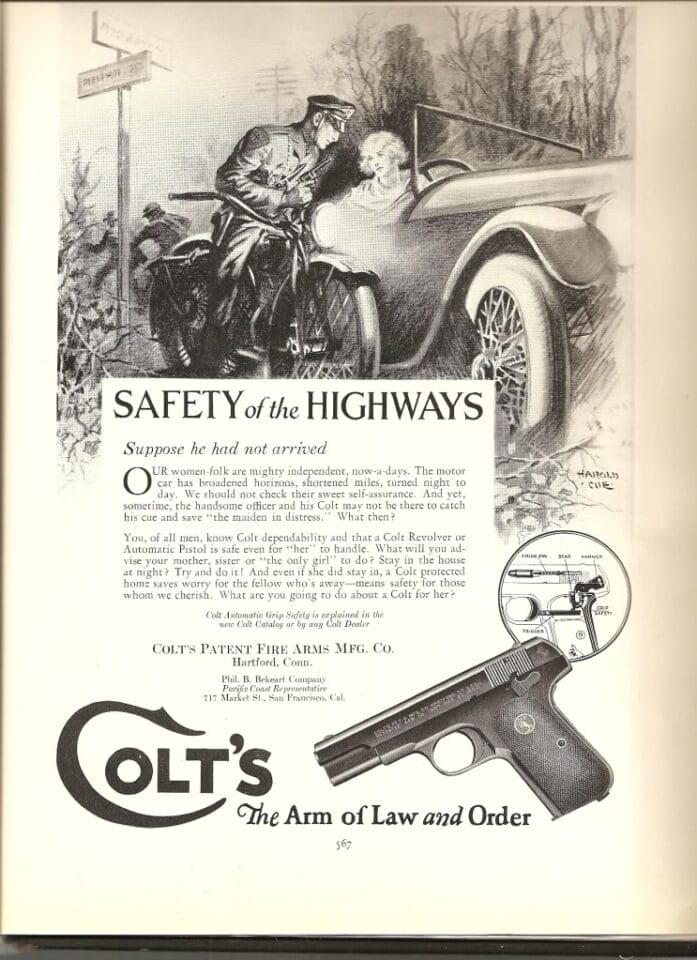
For decades, the industry has relied on narrow conceptions of gender to sell guns. Early advertising cast women as helpless victims, implying their safety depended on a man—and his gun. These ads tapped into the industry’s most powerful tool: fear. They portrayed the world as dangerous and positioned armed defense as a woman’s only path to control and dignity.

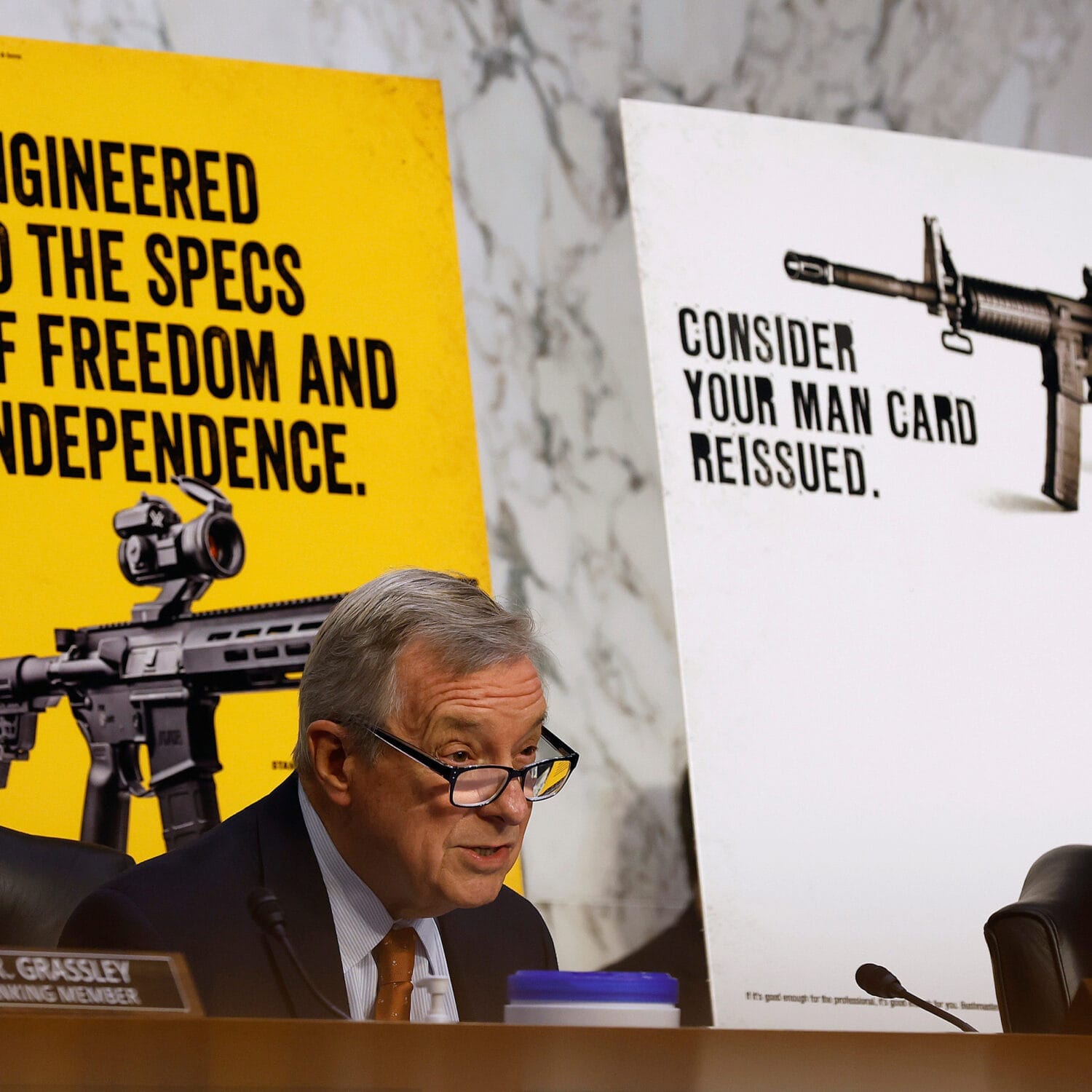
Meanwhile, guns were sold to men through themes of dominance and hypermasculinity. Despite shifting cultural norms around gender, the industry’s approach has remained largely unchanged—and continues to anchor its marketing in outdated stereotypes. Remington’s infamous 2012 campaign—“Consider your man card reissued”—offers one testosterone-soaked example.
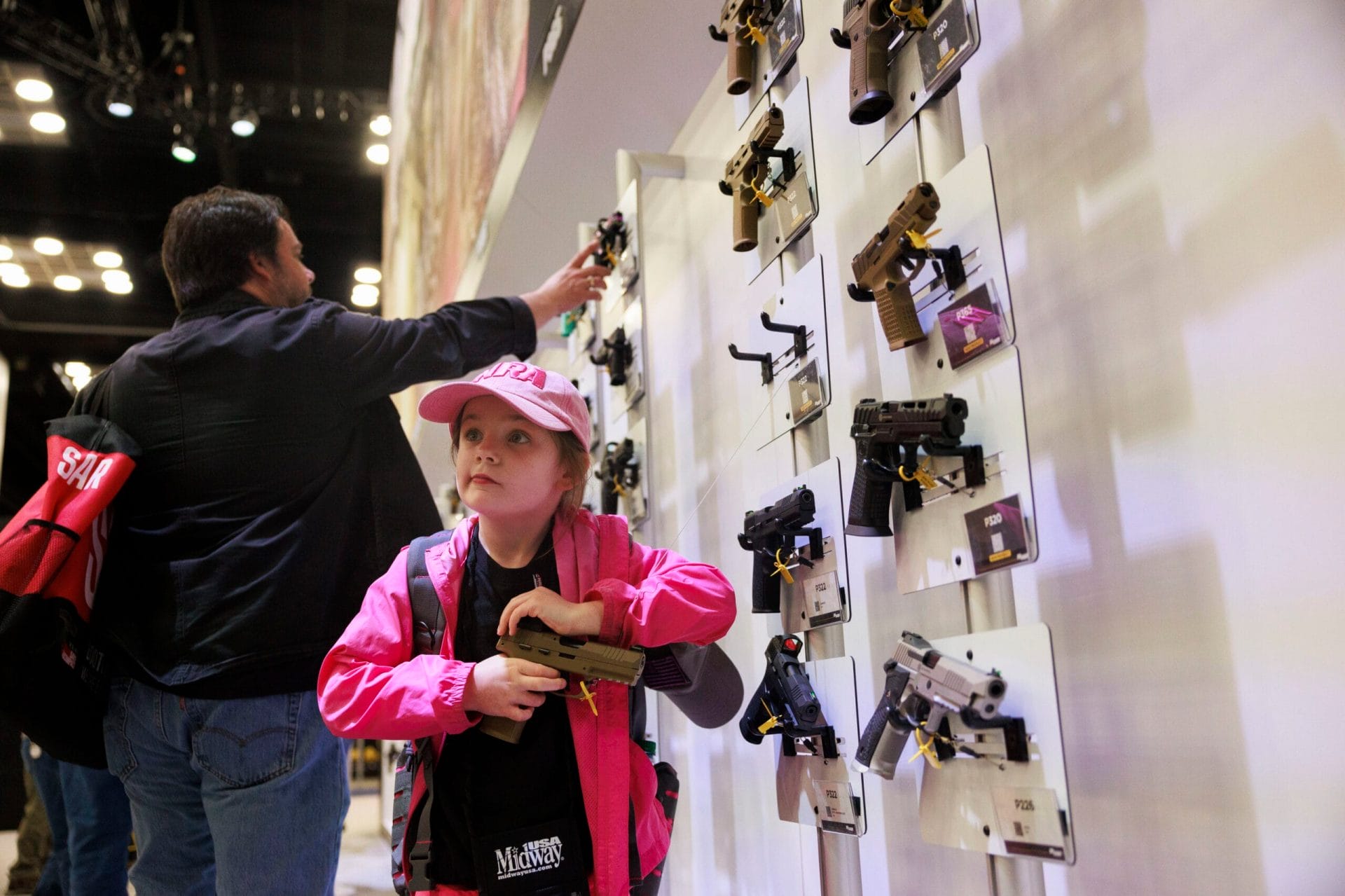
Today, the industry has adapted its tactics to actively court women alongside men. While the aesthetic has changed—when you search for “guns for girls” a plethora of pink wrapped pistols now appear—the strategy has not. Firearms are still marketed as symbols of control, now framed as female “empowerment,” while reinforcing outdated ideas about gender, safety, and dependency. And it’s working: Women are the fastest-growing group of new gun owners in the US.
Built into this narrative is the gun lobby’s expansive idea of self-defense. Its notions about when and how it is appropriate to fire a gun have led to the enactment of so-called Stand Your Ground laws in many states. But as described below, these laws do nothing to protect women from their abusers.
Stand Your Ground laws eliminate the duty to retreat before using deadly force, expanding the legal justification for shooting someone in any place they are legally allowed to be—even in situations where de-escalation or retreat is possible. Supporters have long made sweeping, unsupported claims that these laws protect vulnerable individuals—including women—by expanding the right to self-defense.
But the evidence tells a different story.

Women appear to invoke Stand Your Ground laws far less frequently than men, and when they do they often face steep barriers to success. Courts and juries are more likely to view women—especially those defending themselves against intimate partners—as aggressors rather than victims. And because most Stand Your Ground claimants are men, the system disproportionately benefits male defendants.
These advantages are compounded by racial bias: White defendants are far more likely than similarly situated Black defendants to have their self-defense claims accepted. In practice, Stand Your Ground laws therefore reflect and reinforce systemic inequities, framing (mostly white) men as protectors acting under “reasonable” fear, while casting women as irrational or vindictive when they fight to survive.
The double standard is especially stark in cases of intimate partner violence. Most women facing life-threatening danger aren’t attacked by strangers in dark alleys—they’re abused by current or former partners, often in their own homes. Yet when women use force in these situations, they are often treated as perpetrators rather than survivors. Under the letter of the law, women may even be told they had a duty to retreat from their own home—ignoring the reality that they may have nowhere else to go. When they do act, their choices are frequently dismissed as driven by “anger” or premeditation, rather than “reasonable” or “imminent” fear. Prosecutors and juries too often ignore the history of abuse leading up to the moment of violence, erasing the trauma and coercion survivors endure.
For Black women, these barriers are even higher. They are more likely to be disbelieved, face harsher prosecution, and receive more severe sentences. Stand Your Ground laws were never designed for their protection—and they rarely deliver it.
Far from offering empowerment, these laws entrench existing inequities and leave women unprotected during their most vulnerable moments.
If lawmakers were serious about protecting women, they wouldn’t double down on policies shown to increase gun violence while offering little deterrence. Research from dozens of studies has shown that Stand Your Ground laws don’t prevent crime—they escalate it. These laws are in fact linked to increased homicide rates with disproportionate harm to Black individuals.
And for women, guns in the home often increase danger. Studies show that overall, access to a firearm doubles the risk of homicide. A 2022 study looking at California handgun owners found that such cohabitants were more than seven times as likely to be shot and killed at home by a spouse or an intimate partner, and that the vast majority of victims—84 %—were women.
A better path forward would include:
- Restore the traditional “duty to retreat” standard—meaning one must attempt to safely de-escalate or withdraw from a confrontation before using deadly force—by repealing Stand Your Ground laws.
- Protect survivors of domestic abuse, such as through clear firearm relinquishment procedures to ensure someone convicted of domestic violence, or subject to a domestic violence protection order, does not continue to possess a firearm.
- Invest in prevention, including domestic violence services, trauma-informed law enforcement training, and stronger legal protections for survivors.
These reforms may not be as attention-grabbing as the industry’s pink-pistol branding—but they offer real safety to the women the industry claims to empower.
The gun industry’s narrative that firearms and Stand Your Ground laws empower women is not just a dangerous illusion—it’s a calculated strategy. By promoting these laws and marketing firearms as tools of female empowerment, the industry cloaks profit-driven motives in the language of liberation. It has deliberately pushed policies that expand the use of deadly force—not because they protect women, but because they create new markets and boost gun sales.
In reality, these laws often punish the very women they claim to protect—especially women of color—while doing little to prevent the violence they face. Far from addressing the root causes of danger, the gun industry shifts the burden of safety onto individuals and reinforces outdated gender roles, all in service of maximizing profit. True empowerment won’t come from a pink pistol or a Stand Your Ground law—it will come from dismantling the systems that enable violence and holding accountable those who exploit it for financial gain.
GET THE FACTS
Gun violence is a complex problem, and while there’s no one-size-fits-all solution, we must act. Our reports bring you the latest cutting-edge research and analysis about strategies to end our country’s gun violence crisis at every level.
Learn More

SPOTLIGHT
GUN LAW SCORECARD
Every year, the data is clear: States with strong gun laws have less gun violence. See how your state compares in our annual ranking.
Read MoreThe Latest

GIFFORDS Florida condemns passage of dangerous gun industry immunity bill
Gabby Giffords statement on mass shooting in Austin, Texas