How the Gun Industry Has Changed since PLCAA
When you sell guns to strangers, a lot can go wrong.
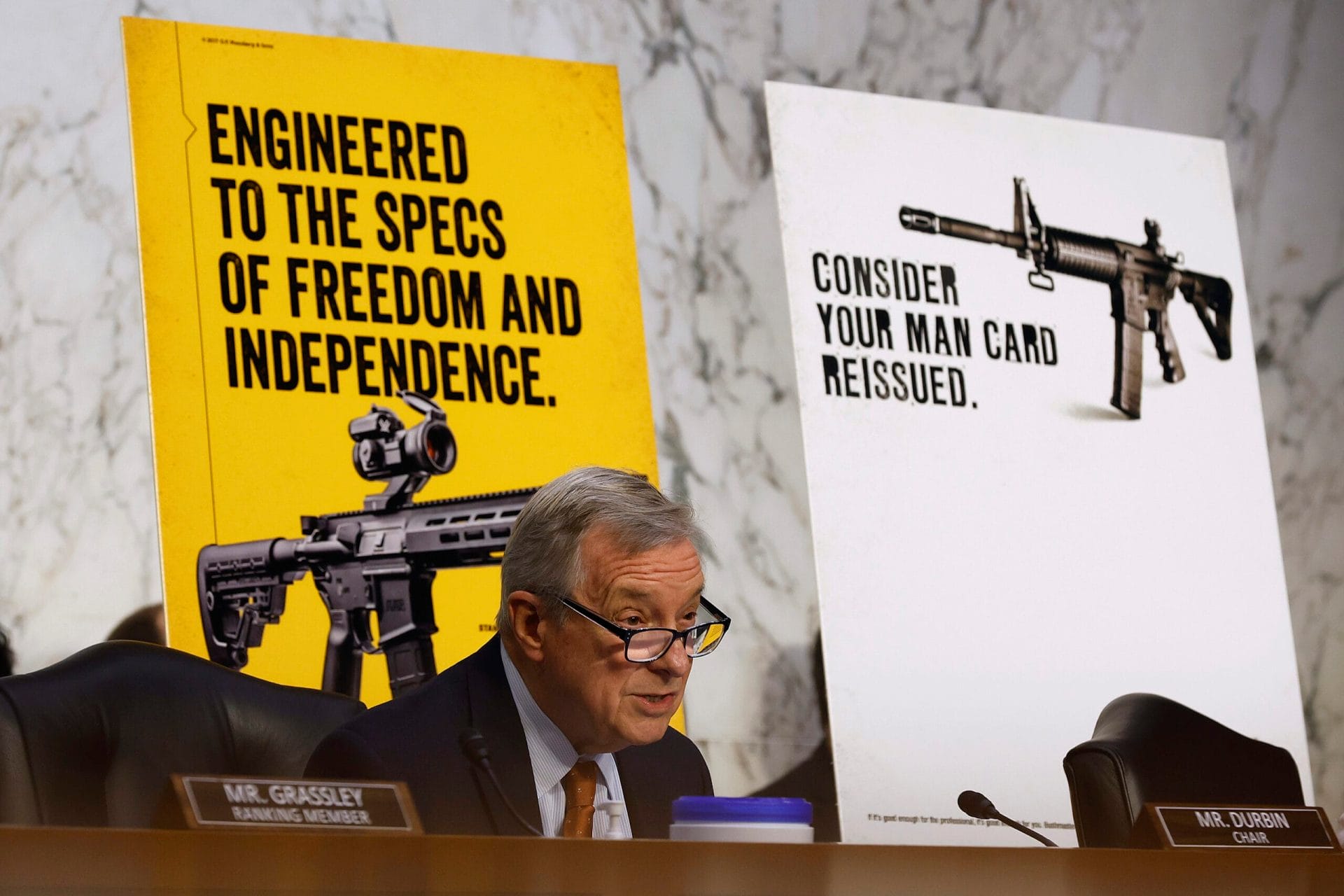
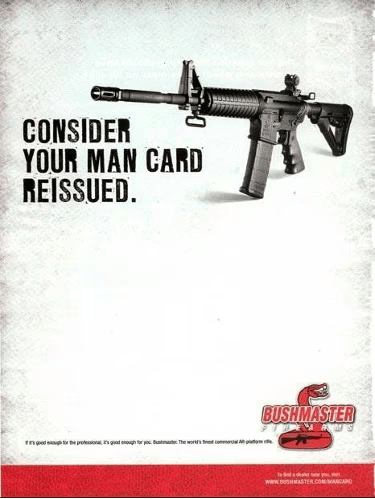
For decades, businesses understood the risk and acted accordingly. But once greedy gun industry CEOs thought they had the government’s green light to act with impunity, all bets were off. Industry advertising and marketing grew more and more extreme—especially once companies realized the easiest way to increase revenue was to focus on repeat customers. Gone were the days of primarily selling rifles and shotguns to hunters, or pistols to home owners for self-defense. To keep sales climbing, companies shifted from selling a single gun to encouraging customers to build entire arsenals.
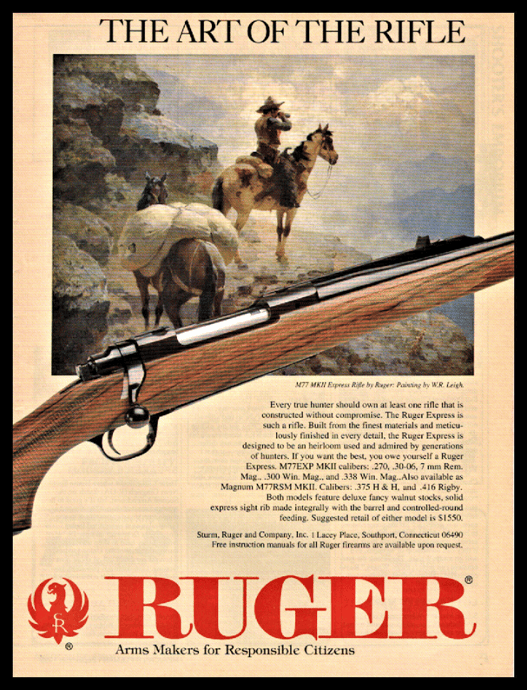
Once the Protection of Lawful Commerce in Arms Act (PLCAA) became law in 2005, the industry’s behavior changed almost overnight. Their executives pushed promotions that sought to make people afraid or appeal to those who already were—not that they’d admit it. (They promote it as “prepping” because “preparedness” sounds better than “all consuming paranoia.”) Their products, if you believe the ads (you shouldn’t), provide regular people with the capabilities of elite soldiers and/or law enforcement. Gone are the days of catalogs that showed a grandad teaching his grandson how to hunt—nowadays, they feature laser sights, kevlar helmets, and tactical vests, as if the majority of their customers get home from the office and moonlight on SWAT teams.
It’s no coincidence that in SEC filings, Smith & Wesson brags that its M&P—short for “military and police”—lines of pistols and assault rifles are market leaders for civilians. The company introduced its M&P line of AR platform assault rifles in 2006, the year after PLCAA became law.
As the New York Times has described it, “Gun companies have spent the last two decades scrutinizing their market and refocusing their message away from hunting toward selling handguns for personal safety, as well as military-style weapons attractive to mostly young men. The sales pitch — rooted in self-defense, machismo and an overarching sense of fear — has been remarkably successful.”
It gets darker. Some companies didn’t just appeal to consumers’ fear, but also their hatred and extremism. President Trump’s favorite gun store, Palmetto State Armory, was caught selling a rifle for the Boogaloo Boys, a group of anti-government extremists advocating for a second civil war. A Boogaloo member pleaded guilty to murdering a federal agent in 2020. That same firearm company was sued for racial discrimination by a Black employee over frequent use of a racial slur and a threatening noose installed in his workspace.
Fenix Ammunition, a company that boasts about aligning with anti-government extremist militias, joined in promoting Boogaloo—and cashed in. “I’ll be honest, it drives sales,” the CEO told local media after seeing daily sales increase tenfold.
Fenix Ammunition is practically begging for assassinations of law enforcement and elected officials. Either that, or it’s just fanning the flames among a gullible customer base because—as even it admits—“it drives sales.” Here are some examples of what it posts online:
- “It’s only treason if you lose”
- “The question isn’t which side will fire the first shot that starts the civil war. We already know the left is the party that believes aggressive violence is the way to victory.”
- “Fuck cops”
- “Like it or not, the founding fathers shot ‘cops’ to gain their freedom and that’s exactly why they included the Second Amendment in the bill of rights.”
- “The biggest problem in this country is that our elected officials no longer fear their voters.”
- “Our goal as the unofficial, unelected leaders of the Militia Industrial Complex is to arm American citizens so thoroughly that government agents fear us”
Other companies, such as Black Rain Ordnance, also flirt with violent extremist groups, including the Proud Boys, Oath Keepers, Christian nationalists, and even Three Percenters. Three Percenters, for whom Black Rain Ordnance sells branded magazines and shirts, have planned or carried out several violent domestic terrorist attacks, including in Oklahoma, Illinois, and Ohio.
The line between anti-government extremism and racist extremism is a thin one. As explained by veteran firearm executive-turned-critic, and now GIFFORDS Senior Advisor, Ryan Busse in The Atlantic:
Hours after Rittenhouse was acquitted on all charges, Big Daddy Unlimited, a major firearms retailer based in Gainesville, Florida, sent out a social-media post that appeared to endorse the view that Rittenhouse was not a cautionary tale but a masculine ideal of armed citizenry […]
As I discovered, Big Daddy Unlimited’s post contained another, yet more sinister meaning. I would have missed it if I had not recalled seeing someone wearing a Make Zimbabwe Rhodesia Again ball cap at the 2018 SHOT Show. A friend then reminded me of the Facebook profile image of the mass murderer of nine Black parishioners in a South Carolina church, in which he is seen wearing a jacket decorated with a Rhodesian flag—iconography much celebrated by U.S. white supremacists. Variations of this image from a famous Rhodesian-army recruiting poster crop up across all the main social-media platforms.
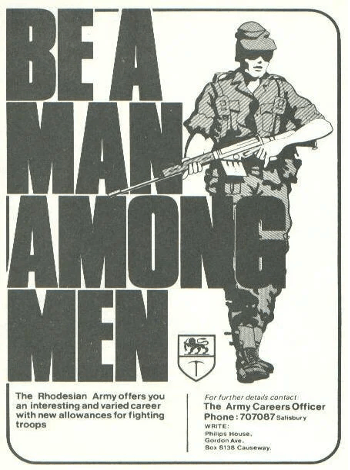
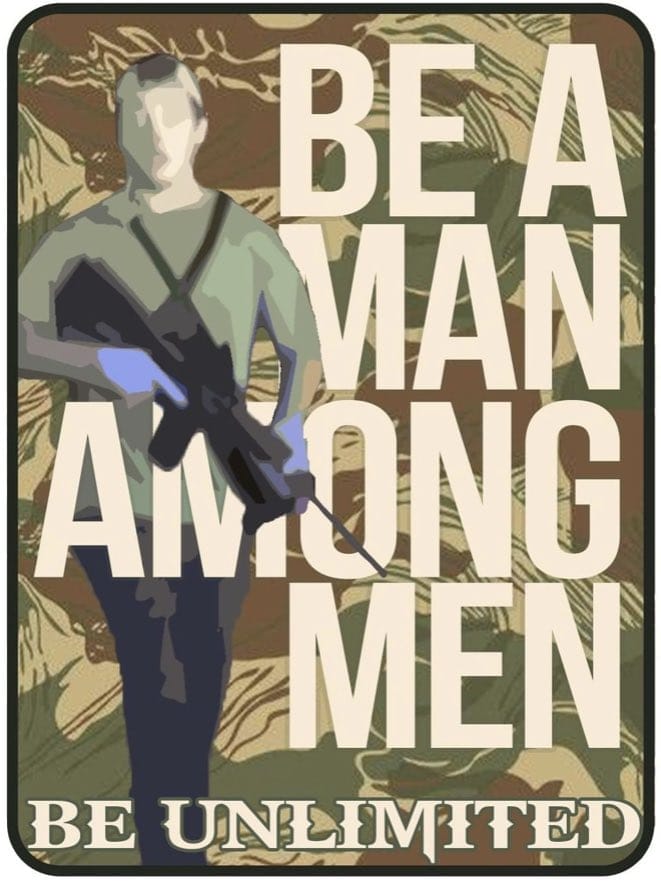
As you can see, the industry that stands to profit from increased violence and extremism went into overdrive once it believed it had no reason to conduct itself responsibly. And the consequences have been deadly.
MEDIA REQUESTS
Our experts can speak to the full spectrum of gun violence prevention issues. Have a question? Email us at media@giffords.org.
Contact
GUNS & DEMOCRACY
RESOURCES
The Role of
the NRA
The NRA’s fear-based worldview depicts enemies lurking in every corner. Everyday citizens should not take the law into their own hands, threatening our democracy to protect it from imagined enemies.
READ MORERising Political Violence
Our democracy can’t function if Americans are threatened with armed violence. Policymakers must take steps to address our concurrent crises of gun violence and a democracy under threat.
READ MOREdangerous Rhetoric
Language that incites violence or fans the flames of hate should not be left unchecked, especially when it comes from our elected officials. We must hold those urging violence to account.
READ MOREGuns & Voting
Voting and elections have become the targets of threats and intimidation. To ensure that elections remain peaceful, states must ban guns at places where votes are cast and counted and enact stronger anti-intimidation laws.
READ MOREProtecting democracy
Americans may be subject to armed intimidation at the polls, scared into not participating in the election, or the target of political violence. But states can fight back with strong gun laws.
READ MOREOnline Threats & Extremism
Our memo details how conversations on social media platforms, often led by gun extremists, laid the foundation for the assault on the United States Capitol on January 6.
READ MORE