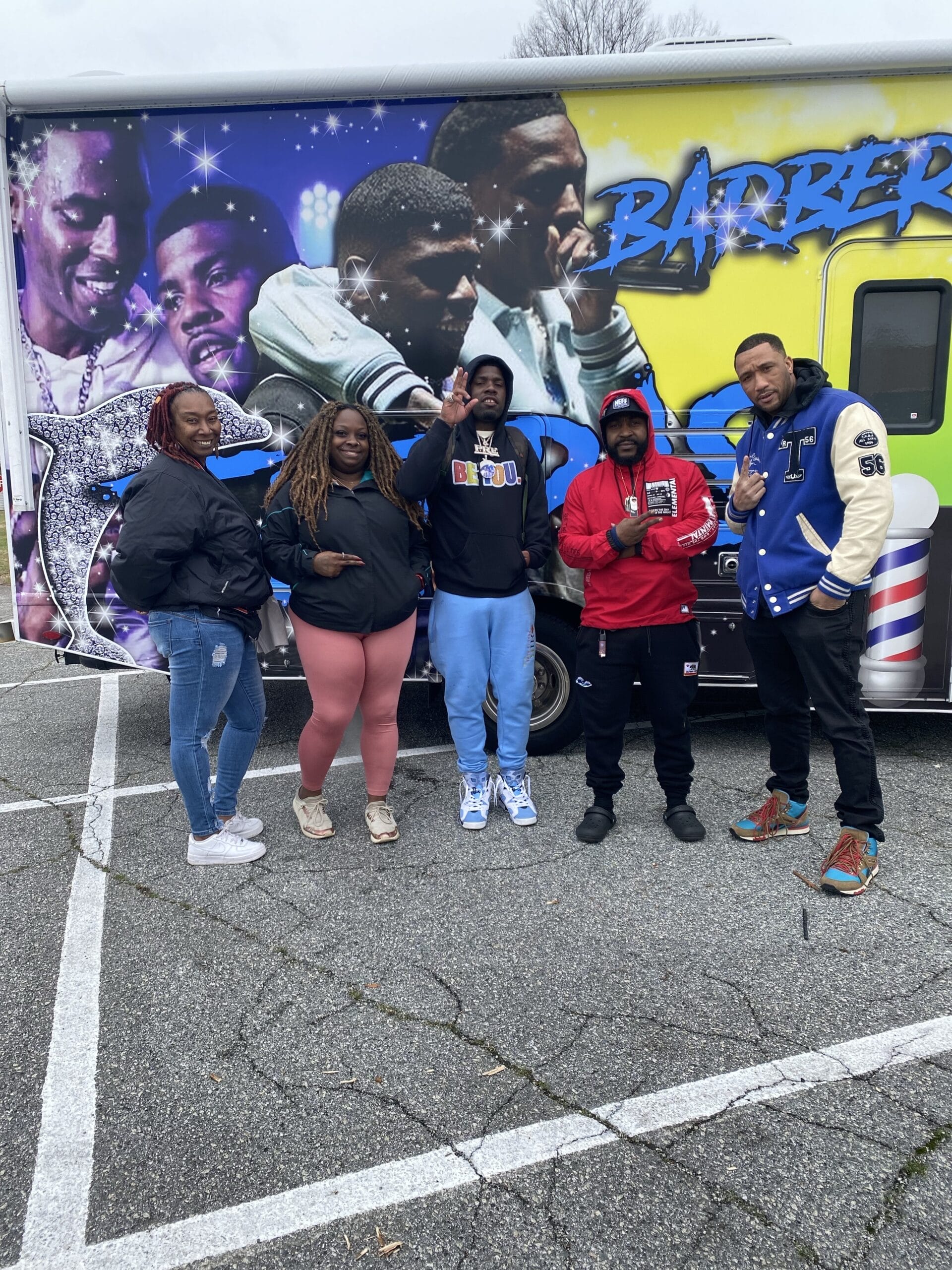
Champions for Peace: A Conversation with Ingram Bell of the Margaret Clinard Outreach Foundation
Community violence intervention relies on concerned individuals willing to serve as peacemakers within their communities. They work tirelessly to prevent violence by engaging those at highest risk of using or being injured by a gun to alter the trajectory of their lives and curb the spread of violence. In this series, we hope to highlight the invaluable contributions of CVI workers and foster a deeper understanding of CVI from the perspective of the frontlines.
We are thrilled to share that this quarter’s Champion for Peace is Ingram Bell of the Margaret Clinard Outreach Foundation (MCOF). Ingram has tirelessly served her community in Greensboro, North Carolina, for most of her life, co-founding MCOF in 2014 in honor of her late mother. Ingram and her team provide essential violence interruption, mentorship, and art therapy services to the Triad area, which consists of the Greensboro, Winston-Salem, and High Point communities.
This interview is edited for length and clarity.
Co-founder of the Margaret Clinard Outreach Foundation | Greensboro, North Carolina
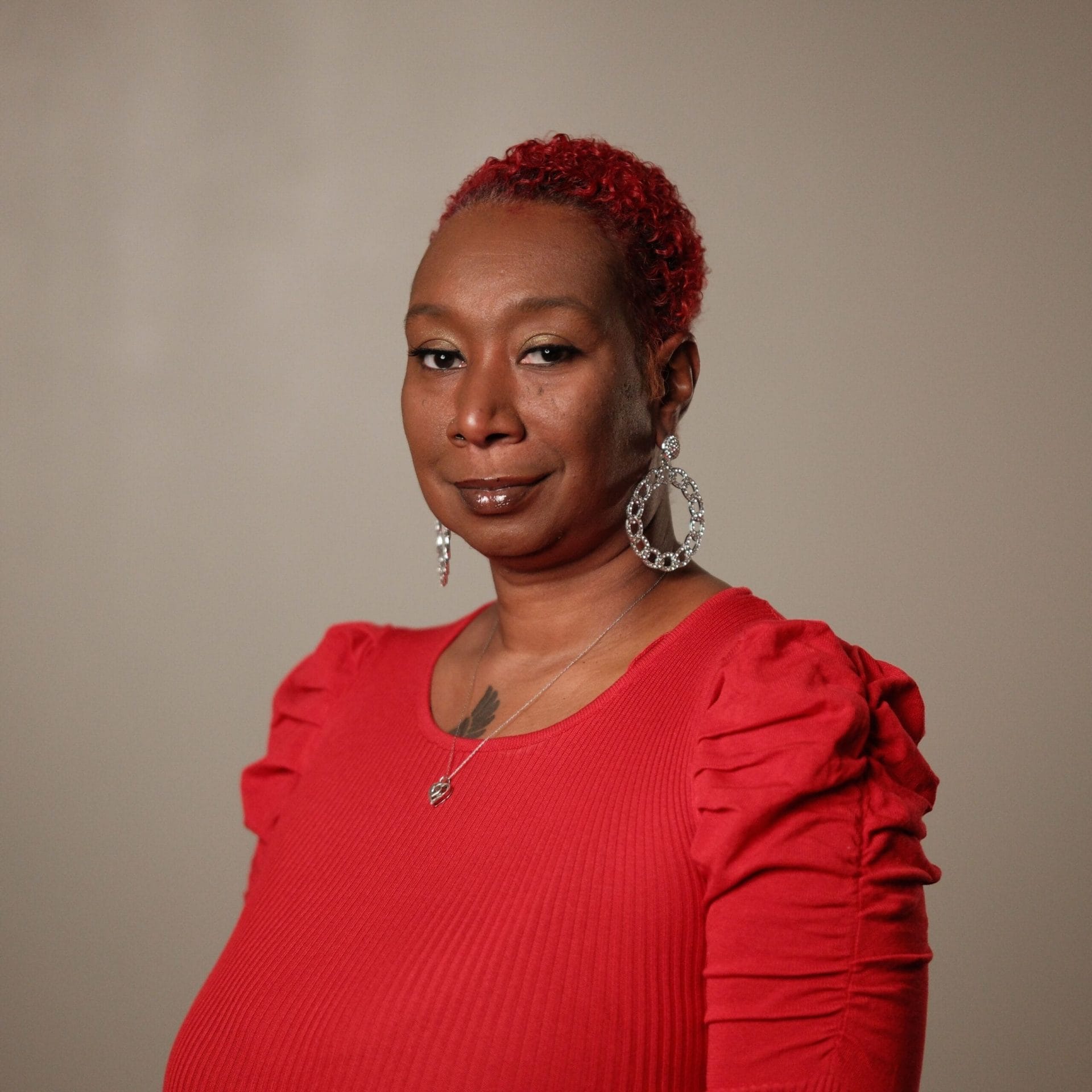
GIFFORDS Center for Violence Intervention: What brought you to this work, and how do you stay motivated?
I’ve been a community leader pretty much all my life. My mother was a foster parent of 100 kids on paper. She was a community mom who didn’t turn her back on anyone.
Then in 2011, I survived a gunshot to the head. In 2012, I had to have brain surgery again because I had developed a brain aneurysm from the gunshot wound. They had to do the surgery while I was awake, because when we found out about the aneurysm, we also found out I was pregnant. It was either my daughter or me, but thank God, medicine worked, and my daughter will be 13 in March.
It became part of my mission, my vision, and understanding that if God saved me, there’s somebody else that I can save.
On January 1, 2023, my co-founder for MCOF was murdered. She was the first homicide of the year. She lost her life to the fight we were fighting, so that keeps me pushing. It’s the continued violence and the belief in a beloved community rooted in justice, empathy, and healing that keep me motivated, as well as the small victories.
What do you wish more people understood about addressing violence?
I wish more people understood that addressing violence means addressing everything connected to it. That means the trauma, the poverty, housing, education, opportunity, and identity. Violence doesn’t grow from nowhere. It grows from where hope has been starved.
People tend to only focus on the victim, the victim’s family, or the one who did the shooting, but we’re missing some of the pieces. If there’s a body outside in a community, the entire community has seen and heard it. It’s traumatic for everyone.
That’s why, for me, CVI isn’t just about stopping shootings. It’s about restoring a balance in our community. We’re not just focused on one piece, we’re focused on everybody.
I also wish people understood that this is a real profession, and that they saw us as professionals and not just community members doing something. This is our life’s work. It’s hard work, and it’s rooted in skills and training. We’re not just out here willy-nilly. We are professionals, and this is a professional field.
We’re talking people off the ledge who are ready to take somebody’s life, because they feel like they don’t have anything else to lose. Taking a gun from somebody who’s ready to kill someone, not a lot of people have that skill. Not everybody is going to get a phone call saying, “Hey, I’m about to go shoot somebody.”
Everybody can’t do this work. It isn’t meant for everybody, and community must be at the forefront. You can’t hire violence interrupters off Indeed. They have to come from the community, and especially the communities that we’re servicing. Degrees don’t mean anything when it comes to having a relationship with a community member.
Too often, the community is treated like a side note in CVI, but the ‘C’ is the foundation. Without us in the rooms, plans, and policies, it’s just talk about us. It’s never anything transformational if we’re not at the table.
CONVERSATIONS WITH EXPERTS
GIFFORDS Center for Violence Intervention’s webinars explore different aspects of community violence through conversations with experts.
WATCH NOW
What is the hardest part of your job?
The most difficult part is always the loss. When someone you’ve prayed for, mentored, walk with, decides to recidivate or winds up dead, that’s always the hardest part. Hearing family members cry or hearing a mother moan—if you’ve never heard the moan of a mother from losing her child, you’ll never understand.
That’s the hardest part for me, it’s the feeling that you failed. Even thinking about my situation, waking up and looking at my mama moaning and crying because she didn’t understand, and she didn’t know if I would make it. I don’t want anyone ever to have to feel that pain again.
What insights or advice do you have for other women in this work?
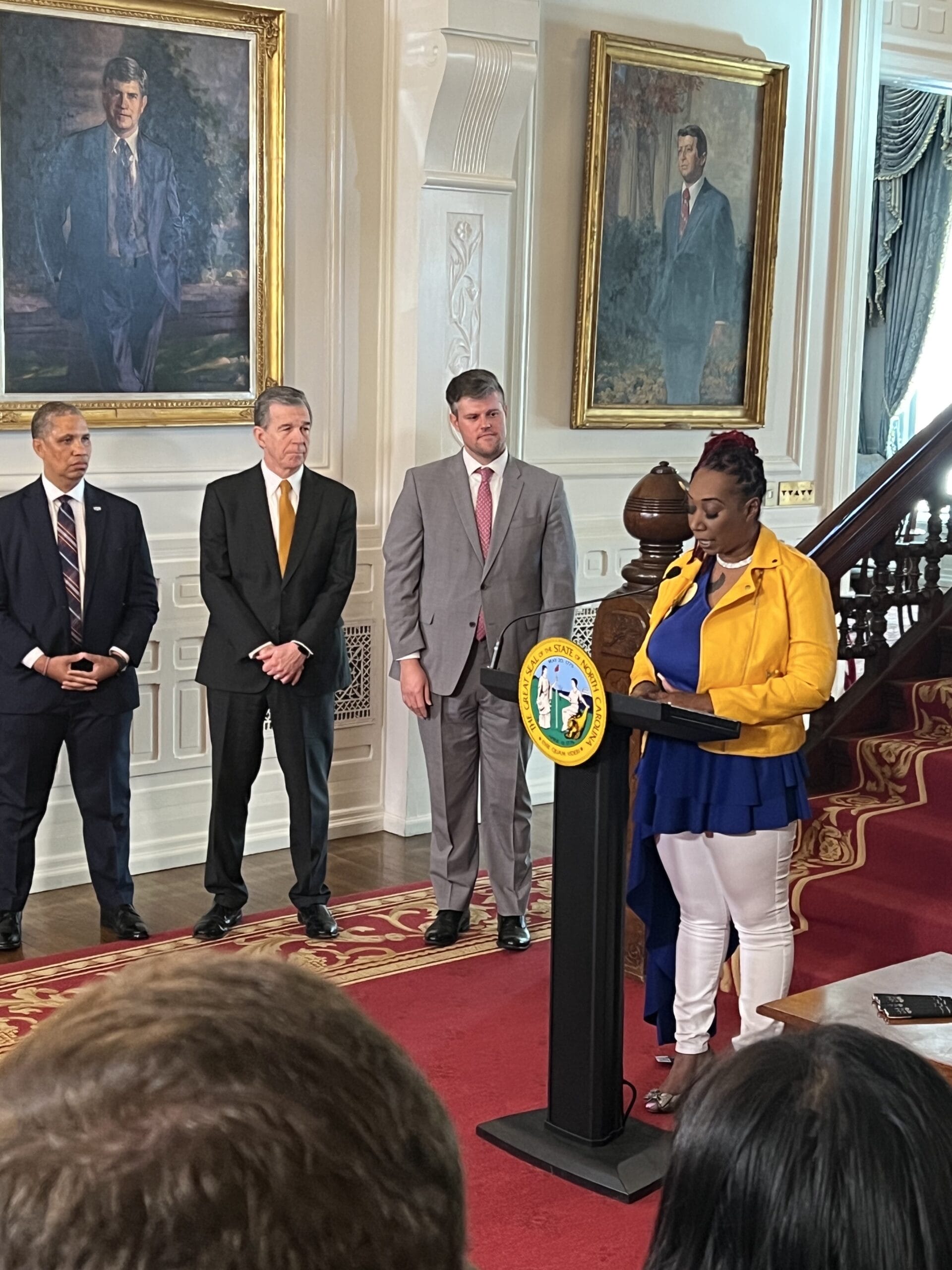
Stand firm. We are the backbone of the work. Our voices carry the weight of generations, so use your voice boldly.
Stay grounded and take care of yourself, because the world will pull at your spirit. Remember there’s no competition, only sisterhood. Be the bridge that connects, not the wall that divides.
Love on our babies daily. Pour into our men with patience and truth. And fight for policy, with purpose and data.
Also remember that your strength is sacred, but so is your softness. Don’t lose yourself in the process of this work. Always remember who you are. You are important, your strength, your skills. You are how you got here, and you belong.
Remember who you are and that you deserve it.
What do you think your biggest hope is for the future of this work?
I want us to be seen as experts, and not just some charity organization. I want us to be respected as a professional discipline.
I want our education in this field to continue to grow, and to see more programs like the CVI Leadership Academy. I was part of Cohort 3, and it was amazing.
There were 31 of us from 30 different places across the country, and we made one of the tightest, dopest bonds. The brotherhood and sisterhood that we share—we talk to each other every day, communicate all the time. If one of us is throwing a big event in our community, we come, we show up, and we support each other. Being part of that has been wonderful.
I hope for a future where healing isn’t a privilege, it’s a right—where our young people see possibility instead of pain, where peace isn’t something that we pray for every day, it’s something we live in daily. That’s my hope for CVI.
Thank you, Ingram Bell, and the team at the Margaret Clinard Outreach Foundation. We look forward to bringing you more conversations with other dedicated peacemakers.
CHAMPIONS FOR PEACE
Our Champions for Peace series honors the people working on the ground to stop violence in their communities before it happens. If someone comes to mind as you read this, take a moment to nominate them.
Learn More
SPOTLIGHT
TRACKING CVI LEGISLATION
Community violence intervention is a crucial approach to fighting gun violence. Keep up to date on the latest CVI legislation in your state with the Giffords Community Violence Intervention Policy Analysis & Tracking Hub—CVI-PATH.
Read More