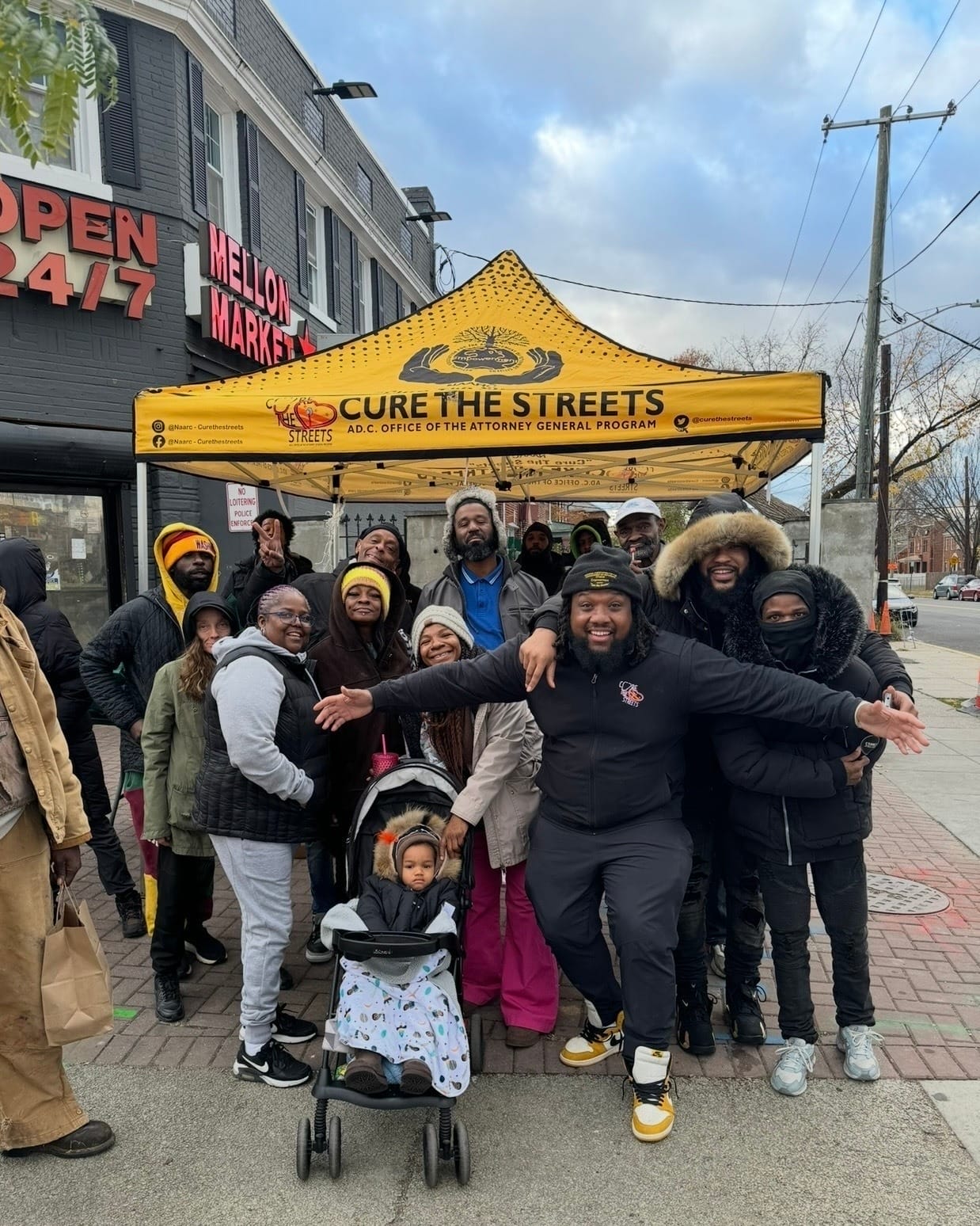
Champions for Peace: A Conversation with Rodriguez Rodney Norman of Cure the Streets
Community violence intervention relies on concerned individuals willing to serve as peacemakers within their communities. They work tirelessly to prevent violence by engaging those at highest risk of using or being injured by a gun to alter the trajectory of their lives and curb the spread of violence. In this series, we hope to highlight the invaluable contributions of CVI workers and foster a deeper understanding of CVI from the perspective of the frontlines.
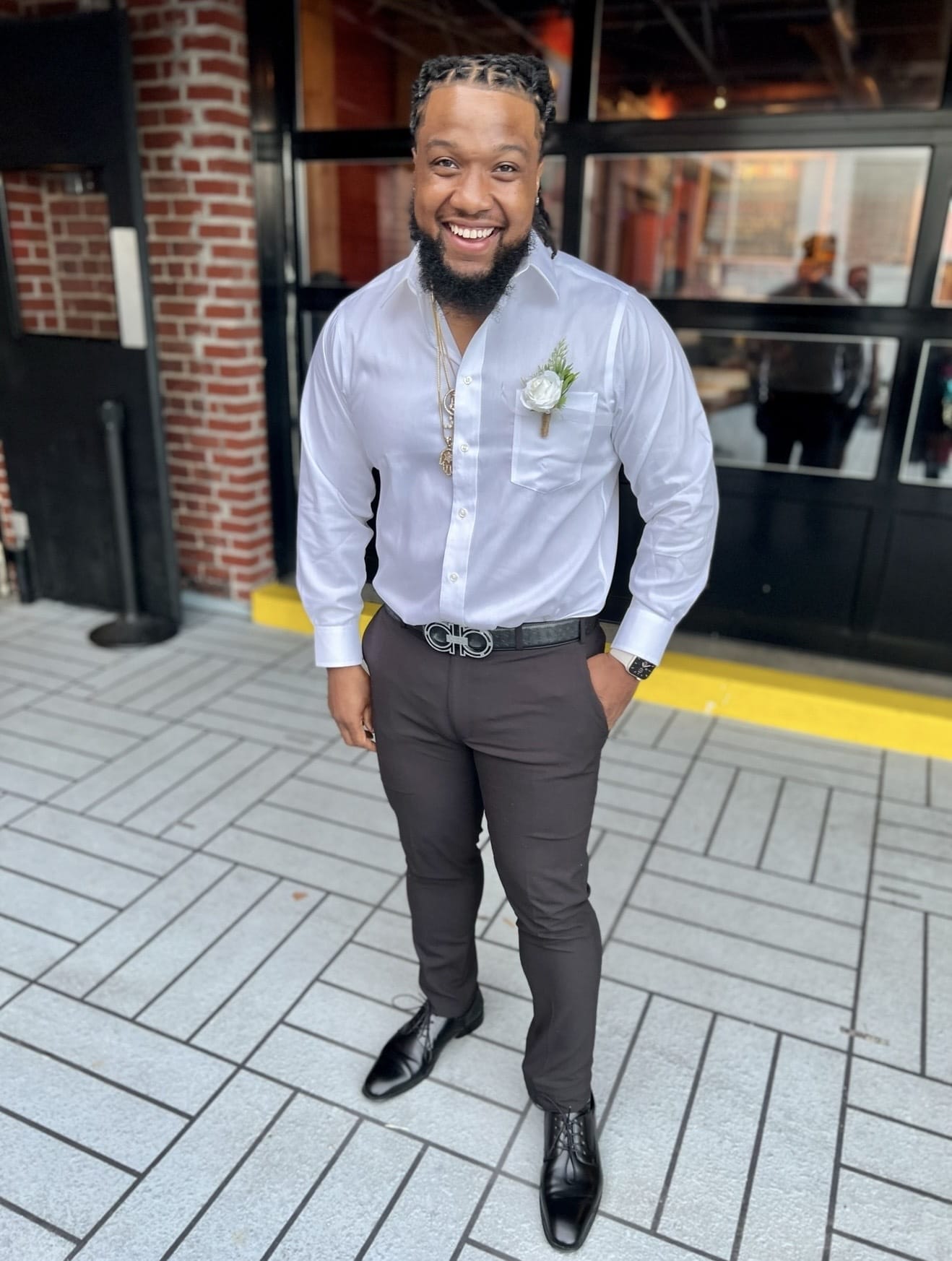
This quarter, we are celebrating Rodriguez Rodney Norman as our Champion for Peace. Rodriguez is a supervisor for Cure the Streets with the National Association for the Advancement of Returning Citizens (NAARC) in Washington DC. Cure the Streets addresses gun violence by hiring trusted neighbors to interrupt conflicts before they turn deadly. Through NAARC, the program is strengthened by a focus on reentry and support for returning citizens, helping residents build stability while making their communities safer.
This interview is edited for length and clarity.
Supervisor for Cure the Streets with the National Association for the Advancement of Returning Citizens | Washington DC
GIFFORDS Center for Violence Intervention: What does community violence intervention mean to you?
We know that community violence intervention involves interrupting violence or mediating conflicts, but there’s so much more to it. I’m talking about being able to build those relationships so that you can mediate conflict.
The way that the model works for Cure the Streets is that we hire individuals from their community to govern their own communities. Because when you’re born and raised inside of a certain neighborhood, the young people understand that you grew up in the same environment, and they’re able to listen to you. Violence intervention or violence interruption has to do primarily with building those relationships so that the community trusts your leadership. It’s about leading your community.
You get an early start on being able to build those relationships from being born and raised in the community, but that doesn’t guarantee you the respect of that community. The respect comes from consistency and following up.
One of the things I’ve learned is that the power is in your follow-up.
It’s easy to engage individuals, but what does your follow-up and your consistency look like? That’s how you get the trust, love, and respect of the community—and that’s what, a lot of the time, we’re lacking in violence interruption.
DC has been in the news a lot lately with the deployment of federal officers, including the National Guard, despite recent declines in violence. How has this impacted your work?
While I can appreciate the National Guard and the president’s goal, it’s been very uncomfortable for us and for the community. Washington DC does have an issue with crime, but DC also has solutions and community-based resources with which to attack those issues.
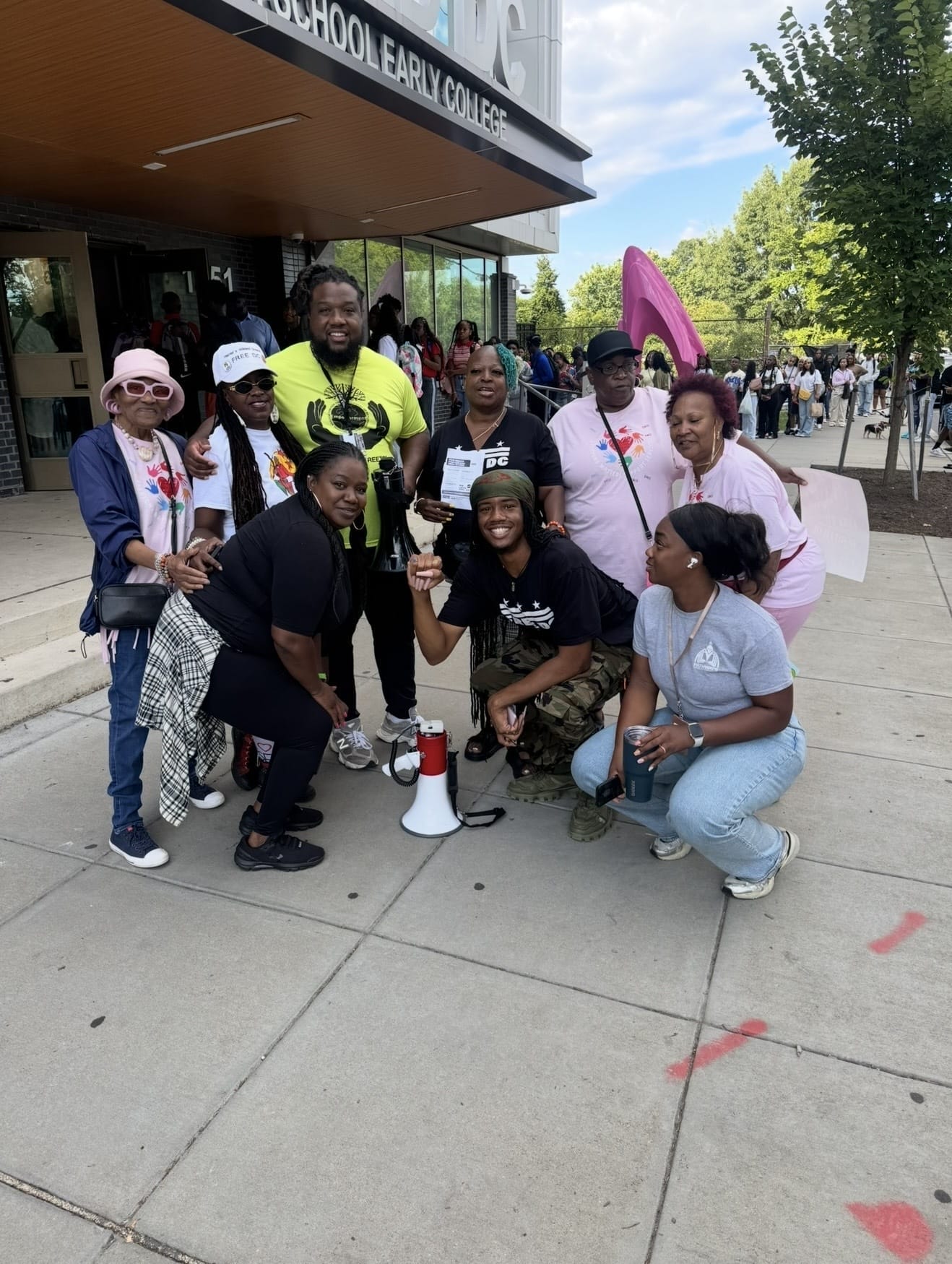
Recently, I’ve seen a pattern that has brought our city into decline. It’s brought the trust from your average citizen down that much further. One of the things we have to understand is that the National Guard, FBI, ATF, they are not trained for day-to-day policing. They’re trained to shoot and to handle investigations.
I have not seen, in all my years, anything like this whole immigration thing with ICE. It has been the most painful thing to watch, seeing ICE come in unlawfully and lock up kids, and mothers, and fathers. It’s been at their place of work, at schools, at churches.
They’ve been a mob, riding around in our neighborhoods 12 to 15 cars deep. They have trucks and SUVs, and when they get out of the cars, they’ve got M16 rifles.
What we’ve seen with our own eyes, it’s a different view than what they’re showing on TV.
They run down, they point, they are aggressive, they use belligerent language, and it’s just… It is just a show. I’ve seen no difference in violence, and I haven’t seen support for violence intervention. I have not seen support for any of us. All I’ve seen is this unlawful policing.
There is no consistency in this kind of policing, because it’s not policing. It’s terrorizing the community.
CONVERSATIONS WITH EXPERTS
GIFFORDS Center for Violence Intervention’s webinars explore different aspects of community violence through conversations with experts.
WATCH NOW
What is your biggest hope for the future of the work and the CVI field?
One thing is the pay. It’s hard to make the pay that I feel that we need and deserve in this work. We cannot survive. The highest salary in Cure the Streets is $65,000 a year. They’re paying $65,000 a year for us to be on the frontline and to possibly die.
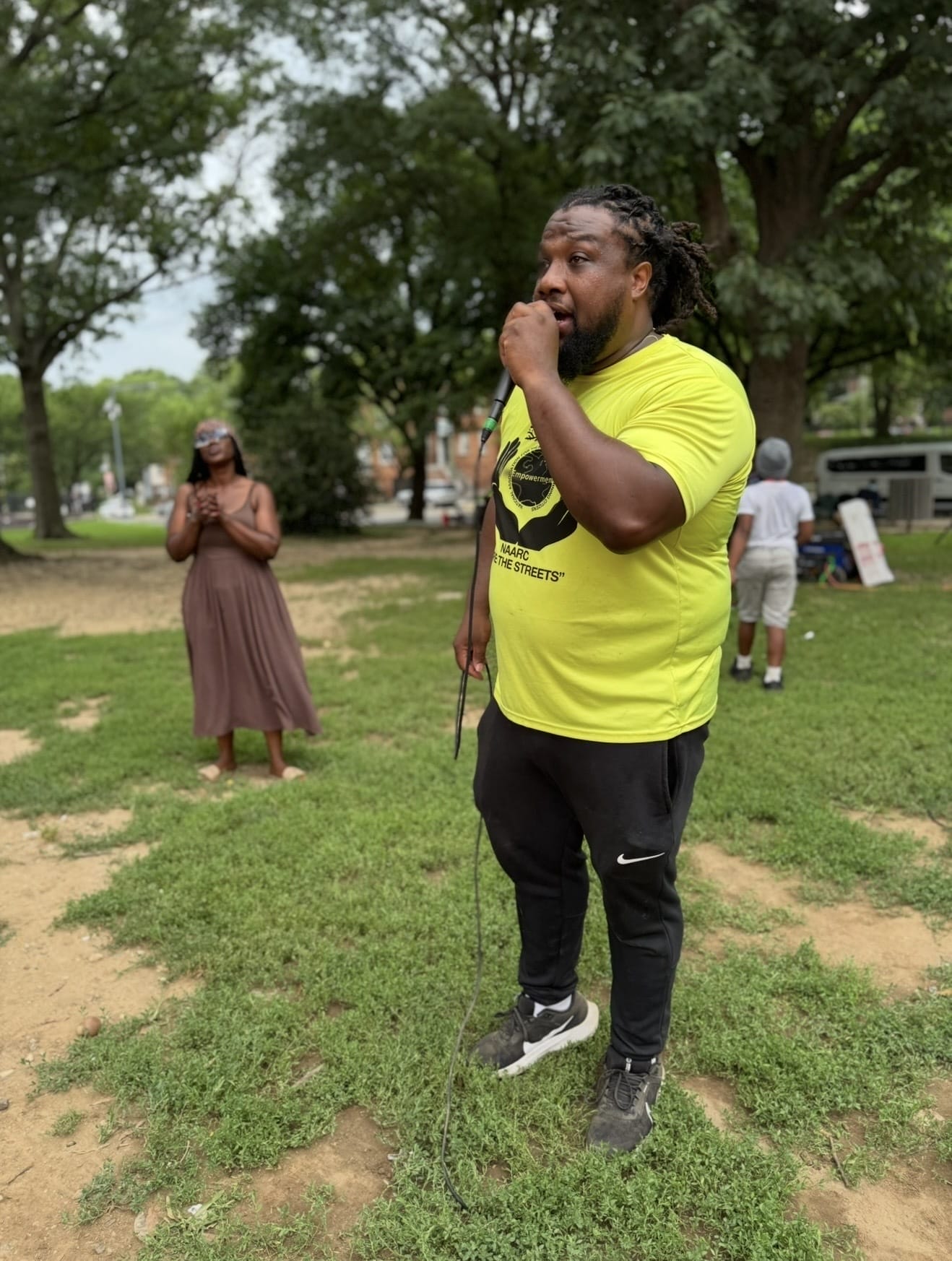
Some of us, like myself, have many hustles, different companies and jobs, and things of that nature, but that’s not what we want to do. People need time to focus on their craft. People need time to put all their energy into one thing, and you really can’t do that without making money.
Hazard pay is also very, very important to me for the mere fact that we’re working in very hazardous conditions. We work on days when there is an increase in gun violence. We’re required to work on the first day of the year, Halloween, and also the 4th of July.
In Washington DC, we know there are more guns being used on those days due to people wanting to shoot in the air and celebrate the holidays. We are the first to be called to the scene of a crime. We’re there to be at shootings. Those things should require hazard pay.
One thing that hurt my soul is that I had an employee of mine, Justin Robinson, who was murdered, brutally, by the police September 1 of 2024.
Nothing was done for him. There was no severance pay; there was no insurance. I don’t even know if he got a last check. I raised hell about it. It almost made me lose my job, but I was so passionate about this because I instantly became Justin.
I looked in the mirror, and I said, “I could be him.”
Not only was he killed by police officers, but he was asleep. Police woke him up aggressively and said he was reaching, shot him, and killed him. He died in his uniform. I’m talking about the hat I’m wearing, this jacket, this badge. I mean everything.
That’s another thing we need: a better relationship with law enforcement. There is no respect between MPD and violence interrupters. They continue to identify us as high-risk individuals, and not professionals who are out here working.
One excuse we see from law enforcement and also the mayor is that we have had some bad apples that were arrested. They use that to judge all of us, but the same can be said about law enforcement. There are bad apples everywhere.
I don’t know what it’s gonna take, but we have to get a relationship between the two. That is one of the things I would like to see change—that, and we have to get a raise in pay.
That’s something that we need, that’s something that we want, and I’m praying that’s gonna come.
Thank you, Rodriguez Rodney Norman, and the entire Cure the Streets team. We look forward to bringing you more conversations with other dedicated peacemakers.
CHAMPIONS FOR PEACE
Our Champions for Peace series honors the people working on the ground to stop violence in their communities before it happens. If someone comes to mind as you read this, take a moment to nominate them.
Learn More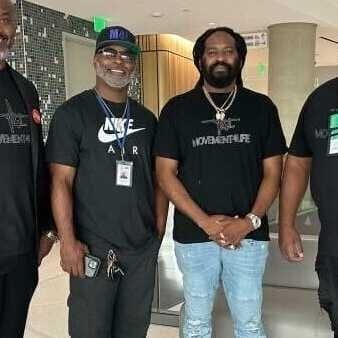
SPOTLIGHT
TRACKING CVI LEGISLATION
Community violence intervention is a crucial approach to fighting gun violence. Keep up to date on the latest CVI legislation in your state with the Giffords Community Violence Intervention Policy Analysis & Tracking Hub—CVI-PATH.
Read More