Gun Law Trendwatch: 2025 Year-End Review
In 2025, state champions across America fought to keep the gun industry’s dream of unfettered access to guns from becoming a reality.
America remains in the midst of a gun violence epidemic, and every year, 46,000 people die from this crisis. But it doesn’t have to be this way.
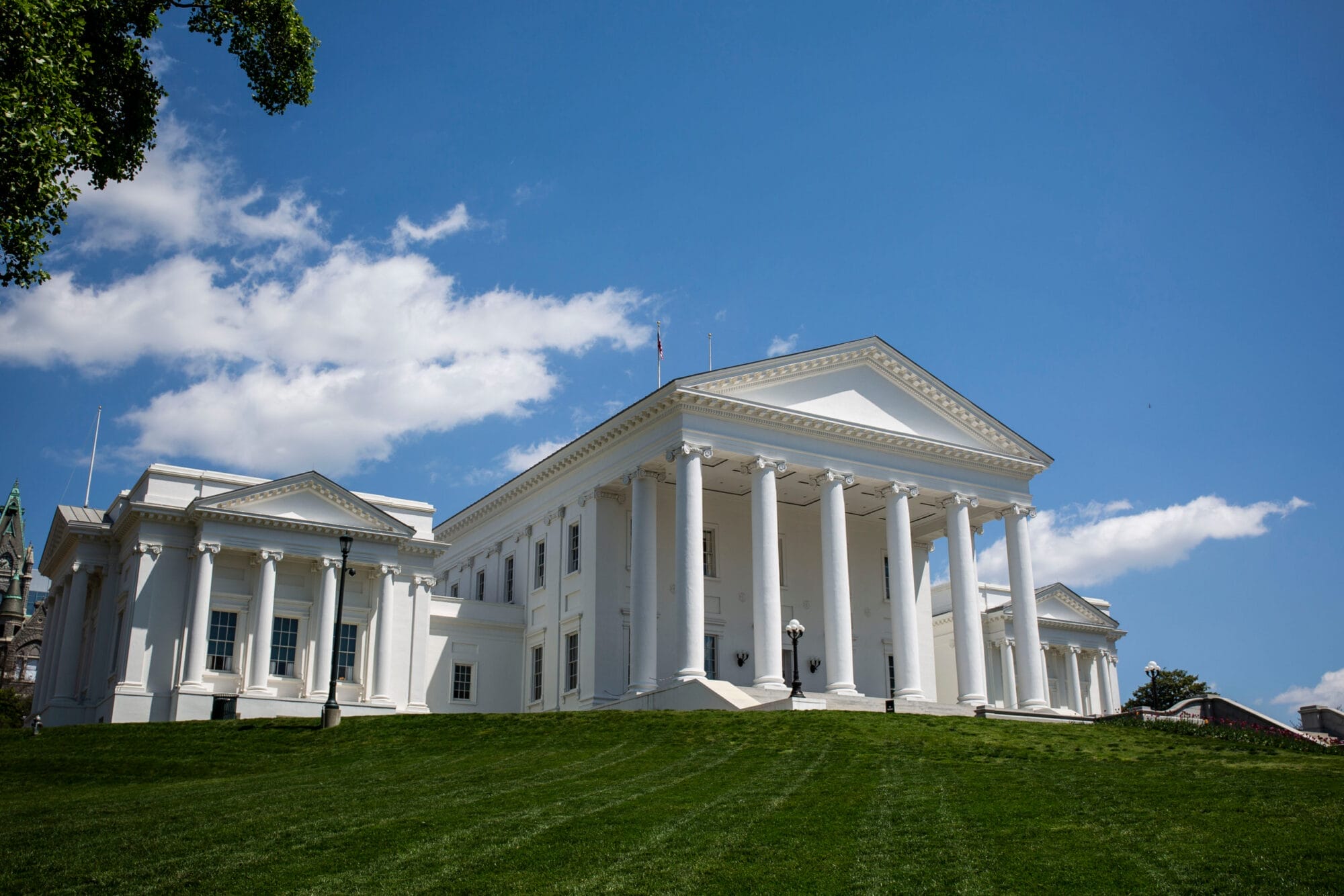
Our state leaders play a significant role in gun violence—either perpetuating it, or fighting to end it. In 2025, state legislatures across the country took action to ensure that the gun industry’s dream of unfettered access to guns does not become a reality.
In fact, some states like Colorado enacted innovative new laws to hold the gun industry accountable for its role in America’s gun violence epidemic, as well as measures to disarm abusers and ban devices that convert guns into machine gun–like weapons. Others like Washington adopted tried-and-true policies proven effective at preventing dangerous sales and reducing gun deaths and injuries.
Of course, there wasn’t just forward progress. Many states took steps to weaken existing gun laws and enact the types of policies that only make gun violence more prevalent: Texas made it significantly harder to enact or enforce red flag laws, while Tennessee broadened gun industry immunity.
States will kick off their new legislative sessions in January, once again offering lawmakers the opportunity to save lives in their communities. And GIFFORDS will be on the ground, ensuring that gun violence prevention remains a priority across America.
In 2025, 33 states passed 89 strong bills, bringing the total number of significant gun safety laws passed since the massacre at Sandy Hook Elementary School in 2012 to more than 820.
Accountability Measures
Following nine other states that havecreated a clear civil pathway to hold manufacturers and sellers liable in court, Connecticut enacted a new firearm industry responsibility law (HB 7042). Laws like this allow litigation against gun companies when they fail to exercise reasonable control over their products.
Colorado was also a true trendsetter in 2025. Among other new laws, the state enacted an innovative industry accountability measure (SB 158) that requires the state to review dealers’ safety and compliance records—including trace data, theft/loss incidents, inspection results, and anti-trafficking policies—before contracting with them.
Preventing Dangerous Sales
Many states significantly improved their gun laws this year to prevent the industry from profiting from the sale of guns to unqualified individuals.
- Washington (HB 1163) enacted a permit-to-purchase requirement for firearm buyers, joining 13 other states that have this crucial requirement.
- Colorado (SB 34) created a voluntary “do not sell” registry, which allows people to prevent themselves from passing an immediate background check.
- Through a ballot measure, Maine voters approved a full extreme risk protection order (ERPO) law, adding a critical tool to disarm individuals at risk of harming themselves or others.
- New York (AB 6556) also made targeted improvements to its ERPO process, strengthening implementation and access for petitioners, and Delaware (SB 82) extended the period of time for which a lethal violence protective order can be granted from one to five years.
- California (AB 1344) created a pilot program so district attorneys in certain counties would be eligible to seek gun violence restraining orders.
- Indiana (SB 281) updated its system of juvenile records to ensure it can be accessible for background checks.
Disarming Abusers
In 2025, states continued closing dangerous gaps that allow domestic abusers to access firearms, strengthening surrender processes and expanding protections for victims.
- California (AB 451, AB 1363) and New York (SB 1985) enacted new measures to reinforce existing firearm prohibitions and improve enforcement in domestic violence cases.
- Colorado (HB 1098) established an automated protection order notification system to ensure victims receive timely updates.
- Alabama (SB 119) closed its dating partner loophole, extending firearm prohibitions to abusive dating partners convicted of violent offenses or subject to protective orders.
- North Dakota (HB 1489) broadened the range of firearms that can be removed under domestic violence restraining orders and now requires surrender within 24 hours.
- Texas (SB 1946) created a statewide Family Violence Criminal Homicide Prevention Task Force to coordinate responses in high-risk cases.
Hardware Regulations
States took action to prevent the proliferation of the most dangerous weapons.
- Rhode Island (HB 5076) enacted a statewide ban on the sale of assault rifles, while Colorado (SB 3) adopted new restrictions on assault weapons.
- Colorado (SB 3) and Oregon (SB 243) prohibited rapid-fire devices, such as bump stocks and auto sears, which increase the rate of fire of a standard handgun or rifle to a rate comparable to that of a machine gun.
- New York (SB 744) expanded its rapid-fire device law to include pistol converters.
- Many states adopted less comprehensive legislation banning auto sears, commonly known as “Glock switches,” including Alabama (SB 116), New Mexico (HB 8), and Tennessee (HB 1093).
- California advanced a slate of hardware-focused policies, including a prohibition on machine gun convertible pistols (AB 1127), stronger rules against 3D-printed firearms (AB 1263), and new regulations governing the sale of gun barrels (SB 704).
Safe Storage & Child Access Prevention
Illinois (SB 8) and Hawaii (HB 125) strengthened safe storage requirements and expanded rules for securing firearms around minors and prohibited persons. The Hawaii law also requires retail sellers to provide purchasers with notice regarding the law on firearms storage. In addition, New York passed laws calling for a public awareness campaign related to the safe storage of firearms (AB 814) and requiring gun dealers to post notices about the risk of suicides, domestic disputes, and unintentional deaths of children (SB 743).
Other states took more modest steps to encourage the safe storage of firearms.
- In January, Michigan passed a law requiring the state’s Department of Health and Human Services to develop information regarding the safe storage of firearms (HB 5450) and requiring the schools to distribute this information to parents (HB 5451).
- The Louisiana legislature called for a report about child gun deaths and gun storage (Sen. Res. 177).
- Delaware (HB 154) provided immunity to nonprofits to encourage them to distribute gun locks and gun safety information.
Community Violence Intervention
For the first time, Texas (SB 1) provided $2 million in funding for community violence intervention (CVI) programs. In total, 22 states included funding for CVI or similar programs in their state budgets this year: California (SB 101), Colorado (SB 104, SB 206), Connecticut (HB 7287), Delaware (HB 225), Florida (SB 2500), Illinois (SB 2510), Maine (HB 377, HB 132), Maryland (HB 350), Massachusetts (HB 4240), Michigan (HB 4706, SB 166), Minnesota (HB 2432), Missouri (HB 11), Nebraska (L. 261), New Jersey (SB 2026), New Mexico (HB 2), New York (SB 3003), Pennsylvania (SB 160), South Carolina (HB 4025), Texas (SB 1), Virginia (HB 1600), Washington (SB 5167), and Wisconsin (SB 45).
A few states also took additional actions to strengthen the infrastructure for community violence intervention work.
- In January, Michigan (HB 6046) passed a groundbreaking law to ensure that community violence intervention and prevention professionals can be paid through Medicaid.
- New York (AB 3005) codified its office of gun violence prevention into law, ensuring that this office—originally created through executive action—exists into the future.
- California’s first-in-the-nation excise tax took effect this year, providing a consistent funding stream for proven CVI programs, and the state passed a bill (SB 132) closing a loophole in the law that created this tax.
- The governors of Delaware and Wisconsin also created new offices of gun violence prevention or intervention through executive order.
Crime Gun Intelligence
Lawmakers in several states acted to ensure law enforcement agencies have strong intelligence capabilities for the fight against gun violence.
Minnesota (HB 2432) enacted legislation that will ensure all law enforcement agencies in the state are enrolled in and using eTrace, the system that can use a firearm’s serial number to identify where it was first sold at retail, and who it was sold to. Through this new law, they will also share the information they receive from the program with their partner agencies in the state. Lawmakers in Illinois (HB 1373), Connecticut (HB 6859), and Rhode Island (HB 5130) enacted related legislation this year.
Guns & Democracy
As political violence has escalated and threats to election workers and voters continue to rise, several states took meaningful steps to reduce the risk of armed intimidation in civic spaces.
- Hawaii (SB 1030) clarified its election fraud intimidation law to encompass the carrying of a firearm or other weapon at or near a polling place, voter service center, or ballot drop site.
- Colorado (HB 1225) enacted the PEACE Act, a new voter intimidation law that allows voters and election officials to seek damages or restraining orders against individuals who threaten, coerce, or intimidate them, and creates a presumption of intimidation when a person is visibly armed.
- Oregon (SB 243) authorized local governments to restrict firearms in government buildings, improving security at public facilities.
Firearm Hold Agreements
A handful of states, including Alabama (SB 40), Arkansas (HB 1067), Maine (LD 1174), and Nevada (AB 451), enacted an important suicide prevention measure: laws to create a process for “firearm hold agreements.”
Firearm hold agreements involve an at-risk individual voluntarily relinquishing their firearms to an authorized party—usually a law enforcement agency or a firearm dealer—for a temporary period. Individuals might enter into these agreements because of known mental health challenges, the presence of children or other prohibited people in their household, or some other reason. The law also includes limited immunity from civil liability for the party that agrees to hold the firearms.
The purely voluntary nature of firearm hold agreements means they do not disarm people who should not have guns but are unwilling to relinquish them, including domestic abusers, people experiencing a severe mental health crisis, and others. However, these laws can still complement more comprehensive gun safety policies like red flag laws and safe storage laws. In addition to the states that created a process for these agreements this year, Montana (SB 458) went one step further and also enacted a law allowing funding to be used to build facilities for firearm storage by the public pursuant to a firearm hold agreement.
Gun Disposals
In January, Michigan (HB 6144, HB 6145, HB 6146) took action to ensure that firearms in the possession of law enforcement are properly destroyed. Kansas enacted a weaker law on this topic (SB 137).
JOIN THE FIGHT
Gun violence costs our nation 40,000 lives each year. We can’t sit back as politicians fail to act tragedy after tragedy. Giffords Law Center brings the fight to save lives to communities, statehouses, and courts across the country—will you stand with us?
Despite these gun safety successes, the legislatures of some states continue to fail to protect their constituents from gun violence. Iowa, for example, enacted a law (HB 924) lowering its minimum age for the possession of a handgun to 18.
Expanding Gun Industry Immunity
Some states have passed laws that allow the firearm industry to avoid accountability for its reckless behavior. In response to firearm industry responsibility legislation that has now been enacted in 10 states, Tennessee (SB 1360), West Virginia (HB 2067), and Montana (HB 791, HB 801) enacted legislation with the opposite effect, narrowing the circumstances under which the firearm industry can be held responsible for its misconduct and providing immunity for nearly all negligent conduct that is not expressly illegal.
Additionally, Louisiana passed a law (HB 289) expanding its existing firearm industry immunity to the manufacturers and distributors of ammunition, and New Hampshire (HB 551) eliminated the requirement for firearm dealers to obtain a license and gave dealers immunity from lawsuits for selling firearms with or without certain mechanical features.
Ignoring Red Flags
Some states without red flag laws have gone even further to prevent their use and enforcement. Montana (HB 809) passed a law prohibiting local governments from enacting their own red flag ordinances, or enforcing an extreme risk protection order against a Montana resident. Texas (SB 1362) passed a similar law, but took it one step further and made it a felony offense to serve or enforce—or attempt to serve or enforce—an extreme risk protection order against a person in the state.
This means that law enforcement officers in Texas and Montana, despite knowing that a judge in another state has determined that the person is a risk to themself or someone else and should not have access to firearms, cannot remove firearms from that person.
Privileging Gun Businesses
The gun lobby continues its attack on corporate responsibility by forcing businesses to work with the gun industry. This year, five states enacted bills to punish businesses that choose not to invest in firearm manufacturers and sellers: Arkansas (HB 1307, SB 565), Idaho (SB 1027), Oklahoma (SB 500), South Dakota (SB 81), and West Virginia (HB 3342). South Dakota (SB 81) and Arkansas (HB 1509) also prohibited credit card companies from using a merchant category code to identify gun sellers.
In addition, the Arkansas legislature referred a proposed amendment to the state constitution to expand the state right to bear arms to cover firearm components and accessories, which will be voted on by the electorate in November 2026. The Missouri legislature also acted to exempt manufacturers of ammunition components from certain taxes (HB 329).
The gun lobby’s wins obscure an important fact: Gun safety is getting stronger, and the gun lobby is running up against more and more resistance to its proposals. For example, the Florida legislative session concluded without the enactment of proposals in Florida that would have lowered the age of firearm purchase to 18 (HB 759) and repealed the state’s red flag law (HB 31).
Similarly, in Texas, strong and sustained gun violence prevention efforts led to the demise of harmful bills relating to lowering the age for carrying firearms (HB 2470) and allowing guns in polling places and other sensitive locations (HB 4201).
In North Carolina, Governor Stein vetoed permitless carry legislation (SB 50). In Arizona, Governor Hobbs vetoed a bill that would have taken away universities’ right to implement concealed carry policies on their campuses (SB 1020), as well as a bill that would have legalized dangerous gun silencers (SB 1014). Gun violence prevention groups also worked to stop an Arizona resolution from going to a ballot initiative which would have legalized machine guns, short-barreled rifles and shotguns, and other extremely dangerous weapons. The measure passed the Arizona House but failed to make it to a vote on the state senate floor.
SUPPORT GUN SAFETY
We’re in this together. To build a safer America—one where children and parents in every neighborhood can learn, play, work, and worship without fear of gun violence—we need you standing beside us in this fight.