Gun Law Trendwatch: States Are Tackling Ghost Guns & Other DIY Firearms
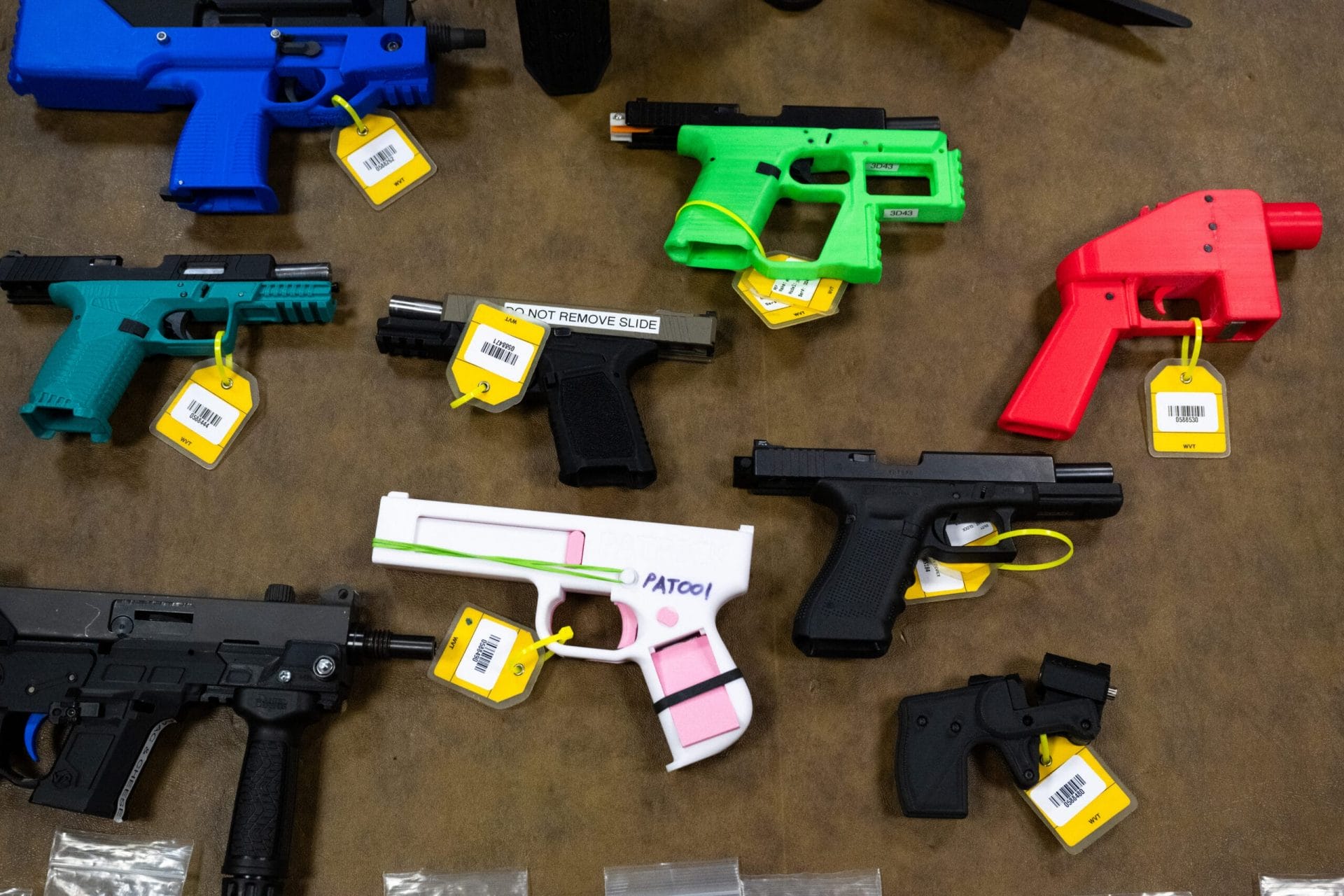
Over the last decade, “do-it-yourself” homemade firearms have become a growing threat to communities across the country.
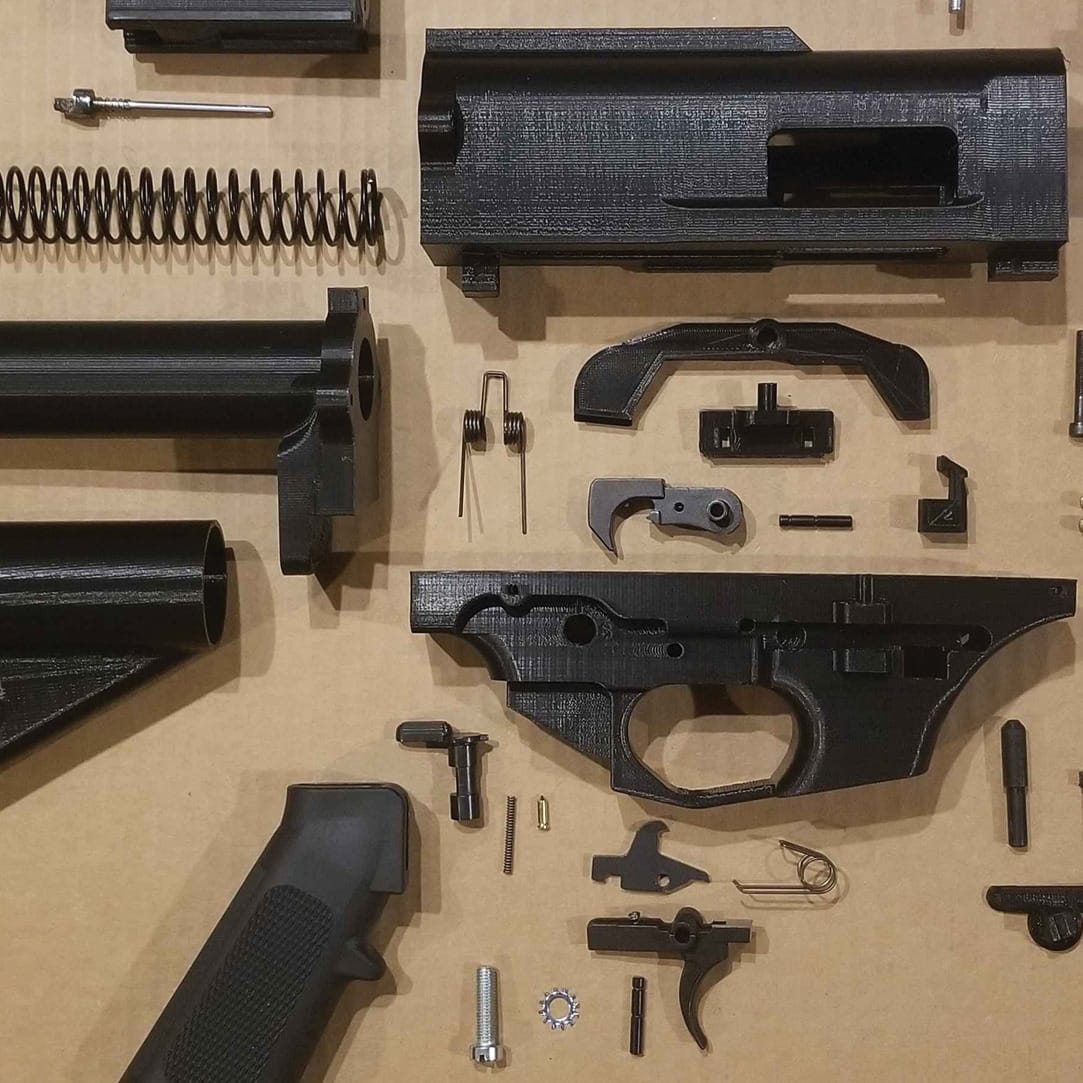
These DIY weapons include ghost guns built at home using kits or 3D printers, with no background check required. But it hasn’t stopped there; DIY gunmakers have found additional ways to build dangerous weapons that skirt gun safety laws. Many poorly designed firearms can be easily converted into DIY machine guns by installing rapid-fire devices that enable automatic or near-automatic fire.
The DIY gun problem has been exacerbated by three factors:
- A firearm industry that sells ghost gun kits meant to circumvent existing gun safety laws.
- Widely accessible 3D-printing technologies that allow people to create guns at home using blueprints shared online.
- An explosion in the prevalence of rapid-fire devices that exploit design deficiencies in popular firearms to allow them to easily be converted into machine guns.
Efforts by the Biden administration, including its 2022 rule restricting ghost guns, have helped to address the first issue, but federal action can only do so much under a new Trump administration that is eager to give the gun industry anything it asks for. As a result, state lawmakers are considering a wide range of legislation this session to reverse the prevalence of the various types of homemade guns.
Ghost guns—unserialized firearms assembled from kits purchased without a background check or 3D printed at home—cannot be traced by law enforcement and have been a growing problem for years. 3D printing instructions for building ghost guns are often freely shared online, and many 3D printers on the market have insufficient safeguards to prevent the creation of illegal firearms.
In response, many states have taken action this year to stop ghost guns in some form. This includes new laws prohibiting all unserialized firearms, regulating the 3D printing of guns, addressing the distribution of ghost gun files, setting safety standards of 3D printers themselves, and more. This year, the following states have taken steps to regulate or ban ghost guns:
- Colorado (HB 1144) enacted a law earlier this month to prohibit the 3D printing of firearms or firearm components, with an exception for licensed manufacturers and dealers.
- At the beginning of this year, Maine (LD 1126) enacted legislation that prohibits the sale of unserialized firearms and requires privately-manufactured firearms like 3D-printed guns to be serialized. Similar legislation has been introduced in Iowa (SF 2123).
- Also at the beginning of 2026, New Jersey (AB 4975) enacted a law to prohibit the possession of digital instructions used to 3D print firearms by an unlicensed individual. The act of 3D printing firearms without a license is already unlawful in New Jersey.
- Last month in Virginia (HB 40), lawmakers enacted legislation to prohibit the manufacture, sale, or possession of an unserialized firearm, including an unfinished frame or receiver, prohibiting ghost guns in the state. Similar legislation is currently awaiting consideration in Hawaii (S 285), North Carolina (HB 545/S 409), and Pennsylvania (HB 1065).
- In March, Washington State enacted a law (HB 2320) that prohibits both the 3D printing of firearms and the distribution of the digital instructions that enable 3D printers to create those firearms. Additional proposals that would limit 3D printing firearms have advanced through the senate in Michigan (SB 331) and Minnesota (HF 5066).
- In California (AB 2047), legislation to regulate 3D printers has passed through the assembly’s Public Safety and Judiciary Committees, and is awaiting consideration by the Appropriations Committee. The bill would provide for the development and implementation of firearm blueprint detection capabilities in 3D printers to ensure that the products are not used to create firearms.
- In New York, lawmakers have introduced several bills regulating ghost guns, including legislation to prohibit the sale or distribution of 3D-printed firearms (AB 1777/SB 9827), to require serialization for any firearm produced by a 3D printer (AB 2060/SB 5952), to create a civil cause of action for manufacturing or distributing ghost guns (AB 1598/SB 5818), and to require a background check prior to the purchase of a 3D printer capable of creating firearms (SB 3562).
- Colorado considered legislation (SB 43) this session to require firearm barrel sales to go through licensed firearm dealers, helping to combat the manufacture and sale of untraceable gun components. This legislation is similar to a law enacted in California (SB 704) last year. The Colorado bill was withdrawn in the face of opposition from the governor.
Perhaps most notably, many states have enacted or are currently considering legislation that would restrict convertible pistols. These bills would require the gun industry to take steps to ensure that the weapons they sell cannot easily be turned into machine guns with common household tools.
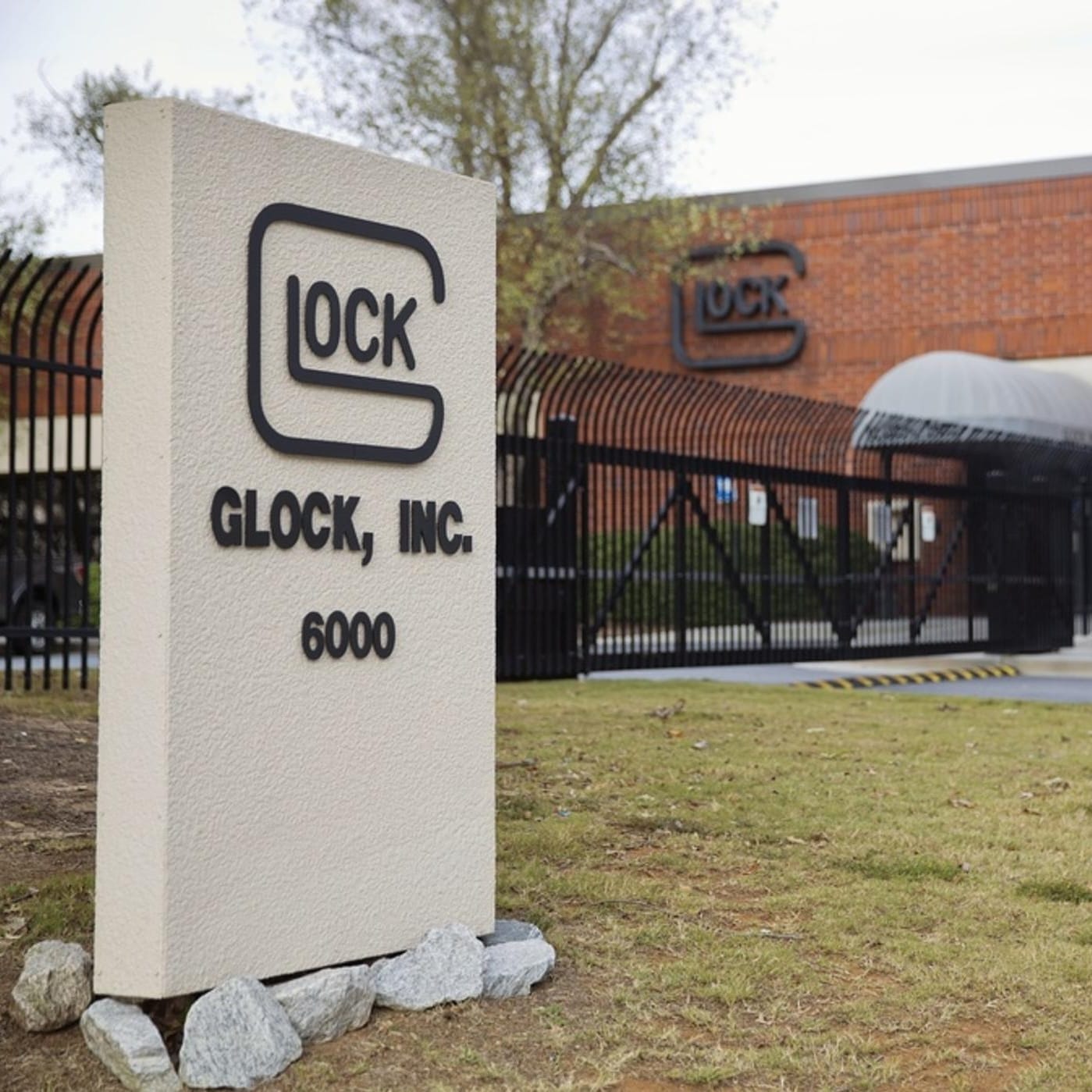
This important legislation is designed to respond to firearms on the market—like many Glock models—that are easily convertible into machine guns and favored by criminals. California enacted a law last year (AB 1127), bills have passed through the legislature in Connecticut (HB 5043) and Maryland (SB 334), and legislation is pending in Illinois (HB 4471/SB 2801) and New York (A 199A/S 399A).
Each of these bills narrowly prohibits the manufacture or transfer of a pistol with a specific design that allows for conversion: a cruciform trigger bar that can be equipped with a “pistol converter” either by hand or with common household tools. By prohibiting that design, these bills would effectively require gun manufacturers to design their products in such a way that they cannot easily be converted into machine guns. This change would create barriers to criminal modification of firearms, make firearm trafficking more difficult, and create a safeguard that promotes responsible behavior by the firearm industry.
This approach has already borne positive results. After the passage of the first of these bills in California, Glock, the most prominent manufacturer of convertible pistols, announced a redesign of its product line reportedly intended to make its firearms more difficult to convert into machine guns. While it is not yet clear whether their redesigns are sufficient to make their products less appealing to criminals, their reworking of their products clearly indicates that legislation to prevent pistol conversion is an effective way to keep our communities safe.
In addition to addressing convertible pistols themselves, many states have also passed laws to prohibit the rapid-fire devices used to convert these weapons into machine guns. These include auto sears or “Glock switches,” which are easily slotted into a convertible pistol to make it fire automatically, as well as devices like binary triggers, forced reset triggers, and bump stocks, which accelerate a gun’s rate of fire far beyond what could be achieved unaided and cause that gun to behave comparably to a machine gun. These devices, like firearms themselves, can sometimes be 3D printed.
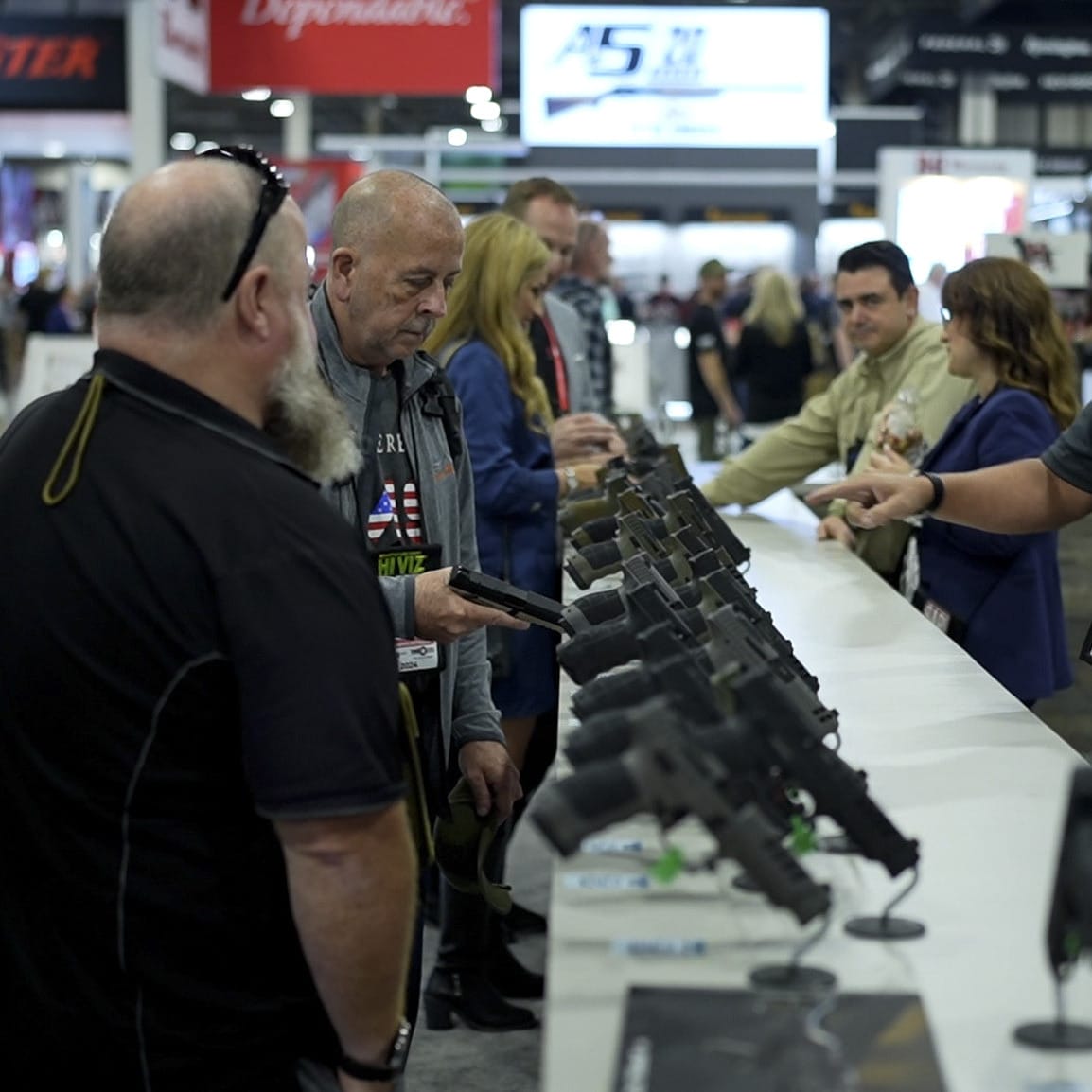
Some conversion devices, like auto sears, are prohibited by federal law, but because they’re incredibly easy to manufacture and distribute, they remain widespread across the country. Complementary state laws ensure uniform, consistent, and easy enforcement by state officials. Other devices, despite being just as dangerous, are not prohibited federally, making state action all the more important. For certain conversion devices like forced reset triggers, the Trump administration has even stopped enforcing federal prohibitions, making them widely accessible in states that have not acted independently to ban them.
In addition to the 28 other states that already prohibit rapid-fire devices to some extent, in January, New Jersey (A 4974) enacted legislation that prohibits all machine gun conversion devices, defined as any device capable of converting a firearm into a machine gun.
Similar legislation has been introduced in many other states. Michigan (HB 5751) is considering legislation to ban bump stocks, which allow shooters to harness the recoil of a weapon to fire incredibly rapidly. In Minnesota (SF 5066), the senate has passed a broad gun violence prevention package that includes a prohibition on binary triggers, which allow a gun to fire both when the trigger is pulled and when it is released. And in Vermont (H 606), legislation has been passed by the house and is moving through the senate which would prohibit any device solely designed and intended for use in converting a weapon into a machine gun.
Though homemade guns continue to pose a serious danger to communities across the country, lawmakers are increasingly recognizing this threat and there has been a wide-ranging policy response from many states. Gun safety advocates have increased awareness about the dangers of easily convertible firearms, a growing number of jurisdictions have cracked down on ghost guns to supplement existing federal rules, and many legislatures are stepping up to address the problems posed by 3D-printed weapons.
It’s crucial that lawmakers continue their efforts throughout the rest of the year and into the 2027 legislative session. Homemade guns, and devices that create homemade machine guns, are incredibly dangerous and are far too common in our communities. We need strong, urgent action—this fight cannot wait.
GET THE FACTS
Gun violence is a complex problem, and while there’s no one-size-fits-all solution, we must act. Our reports bring you the latest cutting-edge research and analysis about strategies to end our country’s gun violence crisis at every level.
Learn More