
10 Years After Pulse, Queer Lives Deserve More Action on Gun Safety
The mass shooting at Pulse nightclub in Orlando was the deadliest single act of violence against LGBTQ+ people in America.
On June 12, 2016, at 2:02 am, a shooter entered Pulse nightclub in Orlando during the club’s “Latin Night” and opened fire with an assault weapon and a pistol that he bought legally. A three-hour standoff ensued, and by the time the shooting ended, one in three people in the bar had been either killed or wounded. Over 90% of those victims were Latino.
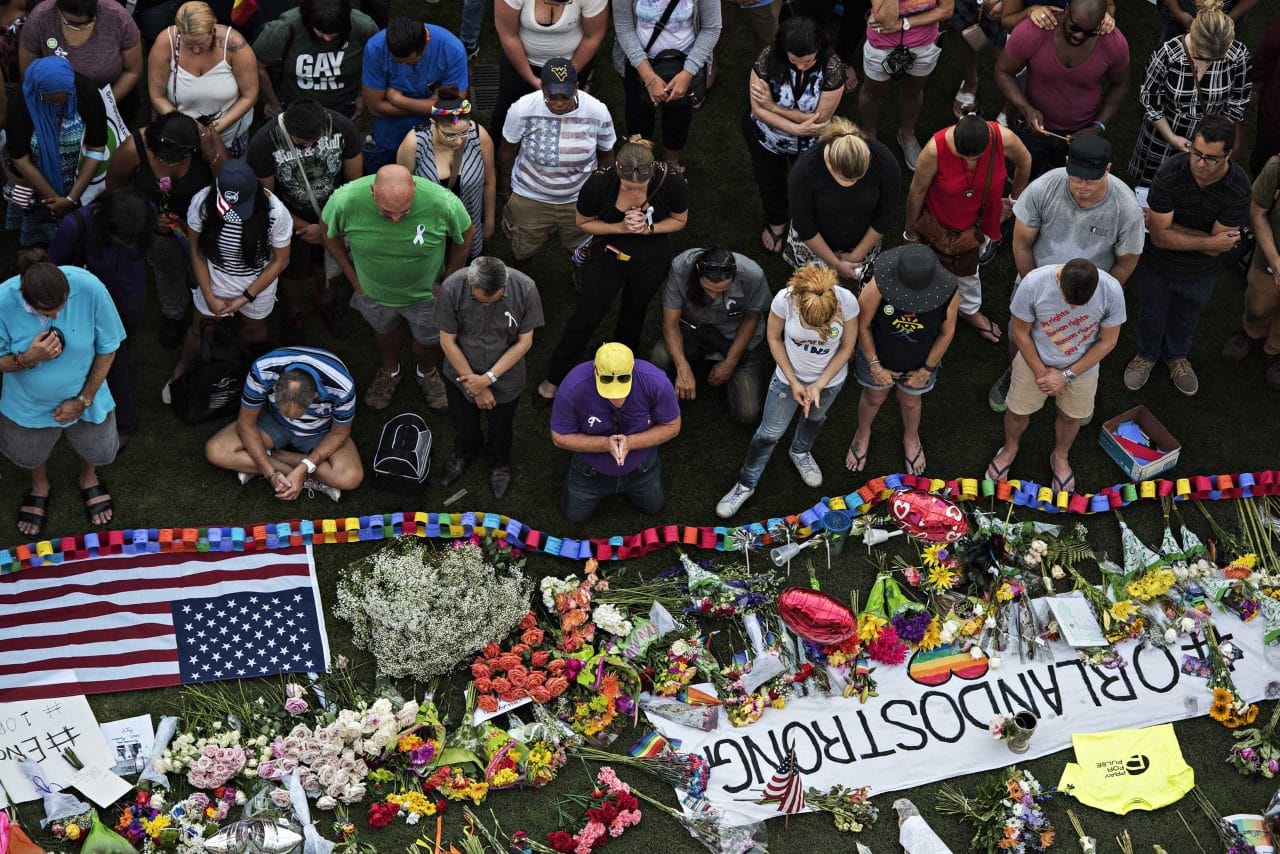
This was and remains the deadliest single act of violence against LGBTQ+ people in the United States, and at the time, it was the deadliest mass shooting in American history. (Now it’s second only to the 2017 Las Vegas festival shooting.) Forty-nine people lost their lives that night, 58 more were injured, and countless others carry with them the trauma of escaping yet another mass shooting in America.
I was 17 when the Pulse nightclub shooting occurred. I had never set foot in a gay bar. I was a junior in high school, I had a boyfriend, and was still struggling with the complex feelings I was starting to have about my own burgeoning queer identity. Pride month didn’t mean much to me yet. It would be exactly one year later, to the day, that I would go to my first Pride parade.
Now, 10 years later, I’ve been living in Washington DC—a city with the highest percentage of LGBTQ+ adults in America—for nearly six years as a proud queer individual, involved in too many LGBTQ+ community groups to count. When I think of Pulse today, I see the friends I play kickball with on Sundays, the bars we frequent for friends’ birthdays, the community spaces we host drag show fundraisers at—the places where we come to be around people like us. Pride month to me now is a homecoming, an apex of queer recognition, resistance, joy, and community. A decade on, the Pulse shooting hits me in a way that 17-year-old me would never have been able to fully comprehend. And it is chilling.
Over the last decade, we have become a nation further entrenched in gun violence. Since 2019, the United States has averaged more than one mass shooting a day. Nearly 47,000 people die from gun violence annually, and nearly 1 in 5 Americans have personally witnessed someone get shot. From 2016 to 2024, the total number of hate crime incidents also increased by a staggering 95%. And just four years ago, we saw a grim recreation of Pulse when a shooter targeted Club Q in Colorado Springs, killing five and injuring another 19.
It doesn’t help that the current administration refuses to invest in gun violence prevention solutions and is actively taking steps to remove services meant to help minority communities—in particular those in the LGBTQ+ community. For example, last year, after campaigning on an agenda of hate and fear-mongering toward vulnerable groups, particularly trans Americans, the Trump administration shut down the 988 Suicide & Crisis Lifeline’s LGBTQ+ Youth Specialized Services.
The right’s attacks on protections for minority communities and its violent rhetoric against queer and trans people is a not so subtle signal to those intent on hate that discrimination is both allowed and encouraged. We’re witnessing in real time a dangerous combination of hate, access to high-powered weapons, and gaps in federal law that is putting vulnerable communities at an even greater risk of gun violence.
It will come as a surprise to no one that there is still an enormous amount to be done when dealing with gun violence in this country, and hate-based crimes in particular. Annually in America, there are at least 27,000 violent hate crime attacks involving either the use or threatened use of guns. Most queer people, including me, have felt that violent tension when subjected to a hate crime or called a slur in public—the heightened fear, breath held tightly, that at any moment a hateful person might do harm with more than just their words.
Focusing on the communities targeted during the Pulse shooting, rates of gun violence in particular continue to disproportionately affect LGBTQ+ individuals and Latino individuals. One in five hate crimes is directed toward LGBTQ+ individuals, and LGBTQ+ people are almost three times as likely to be victims of violent crime as their straight, cisgender peers. When it comes to attacks against transgender individuals specifically, guns are used in nearly three out of every four murders. And while just nine percent of the trans population in the US is Black, it’s estimated that about 69% of murdered trans victims are Black.
Within the LGBTQ+ population, Black communities experience the highest rates of violent victimization, followed by Latino communities. Because of the nature of the event being hosted at Pulse the night of the shooting, the tragedy was also one of the largest mass shootings of Latinos in recent history, a community in which gun deaths have risen 61% from 2015 to 2024. Roughly 15 Latinos die every day at the hands of a firearm in the US, and for over 20 years gun homicides have been the second leading cause of death for Latino males aged 15 to 34.
Before Pulse, the shooter exhibited abusive behavior toward his first wife—enough that her parents had to intervene to physically remove her from the situation. It was also later discovered that the psychological evaluation that allowed him to carry a gun at his work as a security guard had been forged. These were just some of the moments before the tragedy that could have served as a reason to remove the shooter’s access to guns.
In the aftermath of the Pulse shooting, and with this knowledge in mind, congressional action seemed imminent. Eight days after the shooting took place, Senate Democrats filibustered for nearly 15 straight hours to demand a vote on gun violence legislation. Four subsequent measures got a vote on the Senate floor, but they all failed to pass the Republican-controlled Senate.
Two days after the failed Senate votes, members of the House Democratic Caucus staged a sit-in on the House floor to demand a vote on gun control. The sit-in lasted 25 hours, but once again, no measures were passed—or even voted on—in the Republican-controlled House.
Florida also didn’t pass any gun safety laws in the wake of Pulse. In fact, it wasn’t until after the 2018 Parkland shooting that the state took steps to prevent future mass shootings by passing its own extreme risk protection order (ERPO) law, a type of law that may have given those close to these shooters an avenue by which to raise concerns and restrict their access to weapons. The shooter in the Parkland tragedy exhibited similar extremely violent and troubling behavior leading up to the shooting at his former high school.
It would take six more years, an entirely new Congress and White House, and yet another massacre of young children, this time in Uvalde, Texas, before meaningful gun violence prevention legislation would be signed into law at the federal level with the passage of the Bipartisan Safer Communities Act (BSCA) in June of 2022. This would be the first meaningful federal gun violence prevention legislation passed in nearly 30 years. And while the BSCA was a huge win for gun safety in general, it was not a bill meant to specifically address violence against queer and other marginalized people. As such, there is still significant federal work missing in this space.
Policies We Must Prioritize Today
Ten years after Pulse, there remain no federal laws that specifically restrict firearms access based on hate crime convictions. Unless a hate crime conviction is classified as either a felony punishable by more than one year in prison or as a state-level misdemeanor punishable by more than two years in prison, there are no national restrictions on a person’s ability to keep and buy weapons specifically because they have been convicted of a hate crime.
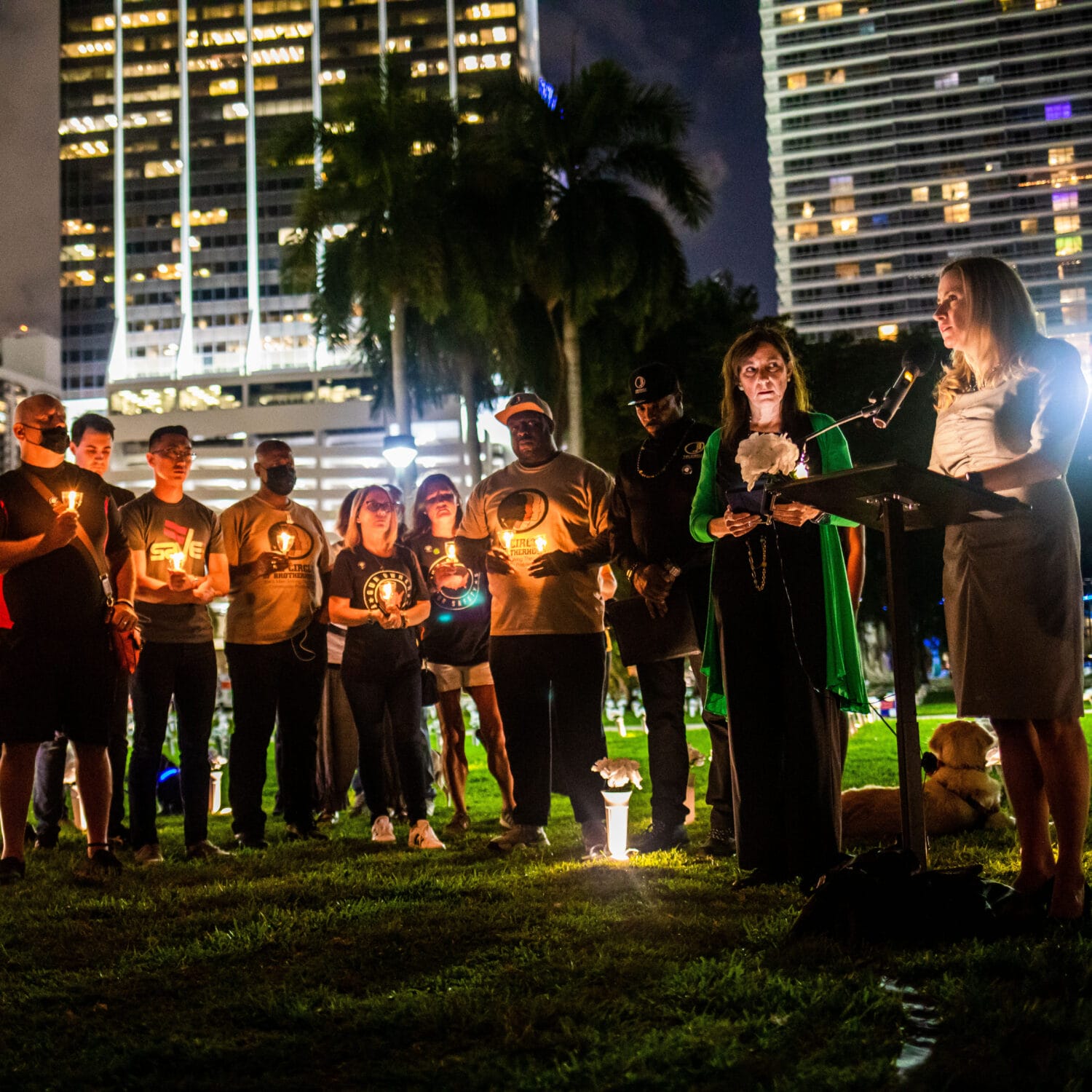
Democrats have introduced the Disarm Hate Act in the House and Senate, which would make it so those with hate crime convictions cannot buy or possess a firearm. But as we’ve seen, Congress can be a slow moving train when it comes to gun policy. And while we can hope our lawmakers pass another strong gun law with a shorter lead time than 30 years, there is also work that can be done at the state level to protect queer communities. Right now, only 12 states generally restrict people convicted of violent hate crimes from accessing guns under state law. That is not nearly enough. This kind of law should be common sense, and state legislators can stand up for the minority communities they serve by doing something about this dismal number.
States—and the federal government—can also pass and implement more extreme risk protection order (ERPO) laws, which help prevent those at a heightened risk of committing violence against themselves or others from doing so. As mentioned above, those closest to someone at risk may notice warning signs before anyone else—and these laws empower those people, as well as some law enforcement agencies, to petition courts for a civil order to temporarily suspend a person’s access to firearms before they commit violence.
People exhibiting threatening behavior with hate-based motivations could be liable to have their access to guns removed under a state or federal ERPO law. But there is currently no federal ERPO law in place, and 29 states have no extreme risk laws at all. Representative Lucy McBath has introduced the Federal Extreme Risk Protection Order Act in Congress which would enable all states to utilize ERPOs. This tool has been proven to protect communities and save lives in the states where it has been implemented, and it should be nothing less than the federal standard.
It’s imperative that members of Congress reflect on the 10-year anniversary of Pulse and the current state of gun violence in this country, and recognize that this moment calls for them to work towards turning lifesaving legislation into law, and do justice to the memory of those who lost their lives in Orlando.
This year, the city of Orlando demolished the Pulse nightclub. It plans to use the space to construct a memorial to the victims of the shooting, expected to open in 2027. This symbolic gesture is important, but it doesn’t mean we should stop demanding more substantive change from our leaders. We know how to stop gun violence in its tracks, and it starts with passing stronger gun laws. We can’t sit and do nothing while forces in our government continue to villainize and endanger queer people and other vulnerable communities.
To be queer—to be in a queer bar—is to make a conscious choice to place yourself somewhere that declares your identity out loud. Being queer is not a choice, but being out and choosing to spend time in queer spaces certainly is. To be a part of this community is a choice some people never get to or never feel safe enough to make. And while it may not sound brave to simply go to a bar, for many, it is more than a meeting place. It’s a place to feel free. It’s a declaration that you are not afraid to live authentically, despite the threat of hate and violence.
I wish I could have met the people who spent their time at Pulse. I wish they had rolled through my queer bar in DC when I first moved here in 2021, teased me about being 22 and just beginning to figure things out for myself, and talked to me about this great club in Orlando that was their home away from home. I wish they could meet my friends now and know that we are still dancing to pop anthems on a Saturday night, like they did, and standing up for our communities every day, like they were. I wish they were alive to experience more of the queer joy that was stolen from them that night at 2:02 am. I hope that wherever they are now, they know that we are still here, being brave and fighting for that joy in their honor.
So, as we look toward this 10-year anniversary, I am mourning the lives lost at Pulse. I am mourning for those who escaped with their lives but left with indelible scars. But I am also dancing, and I am working toward change—for them and for us. And you should too.


TAKE ACTION
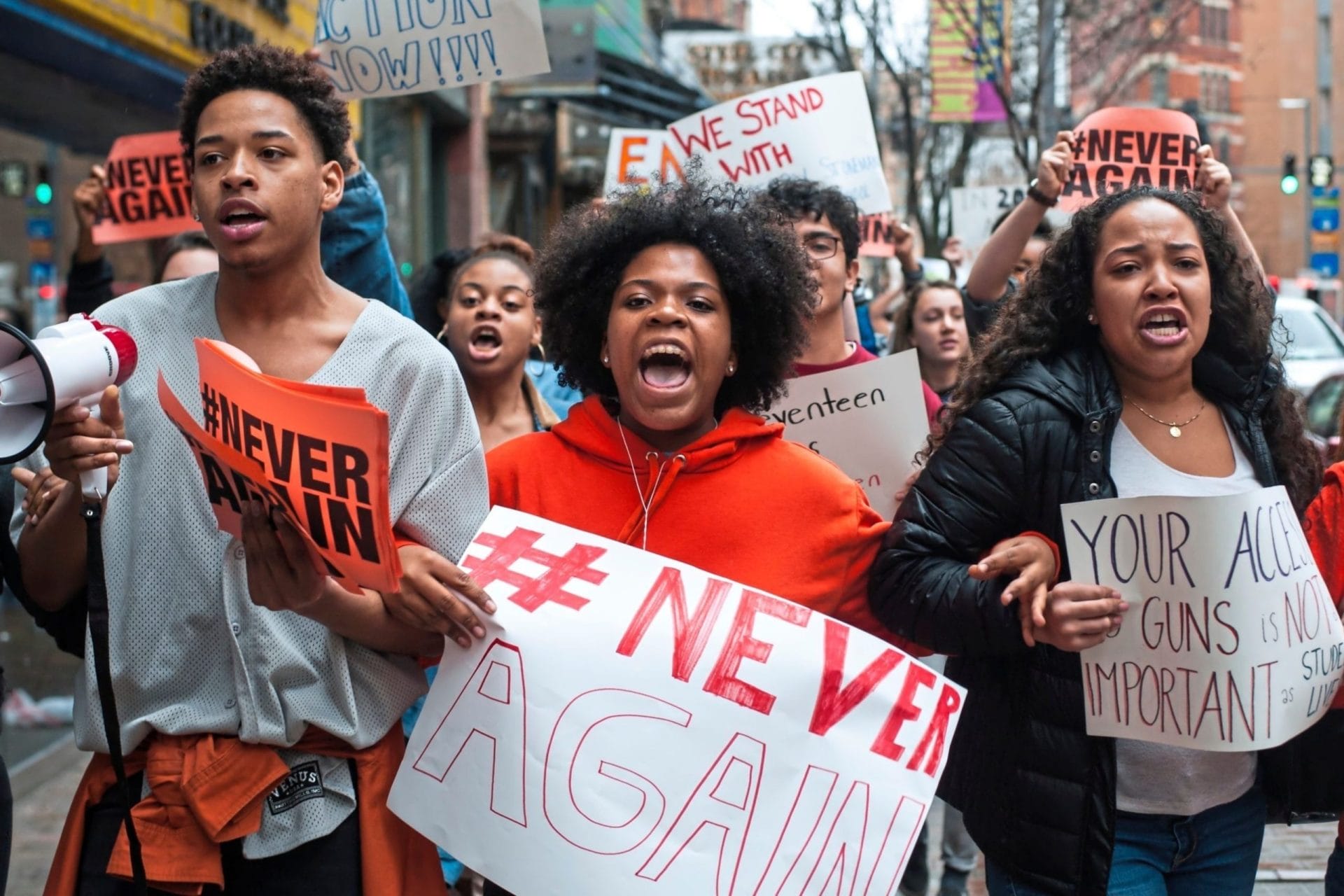
Students, veterans, survivors: Americans from all walks of life across the country are standing up for commonsense gun reform. If you’re fed up with politicians who care more about protecting gun lobby profits than your safety, stand with us in this fight.
Join Us