Four Years Since Oxford: How Michigan Responded—and Why It Can’t Stop Now
As a child growing up in Oxford, Michigan, I never imagined that a hometown tragedy would shape the path of my career.
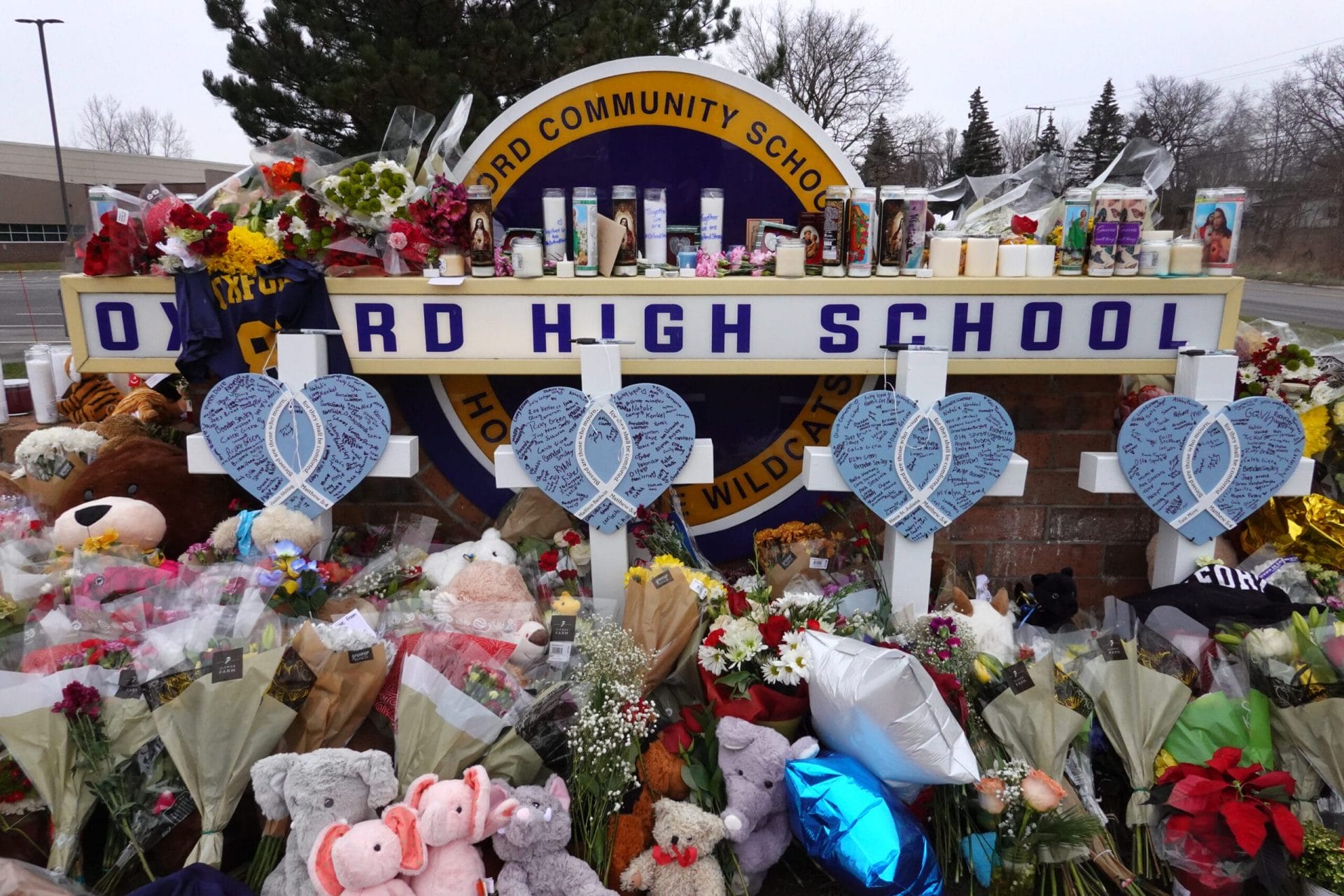
Years after I left the city for law school, I was driving home from a Thanksgiving visit in Oxford when the calls started coming in—Where are you? Have you heard? National news was reporting that a 15-year-old student at Oxford High School had opened fire, killing four students and injuring seven others.
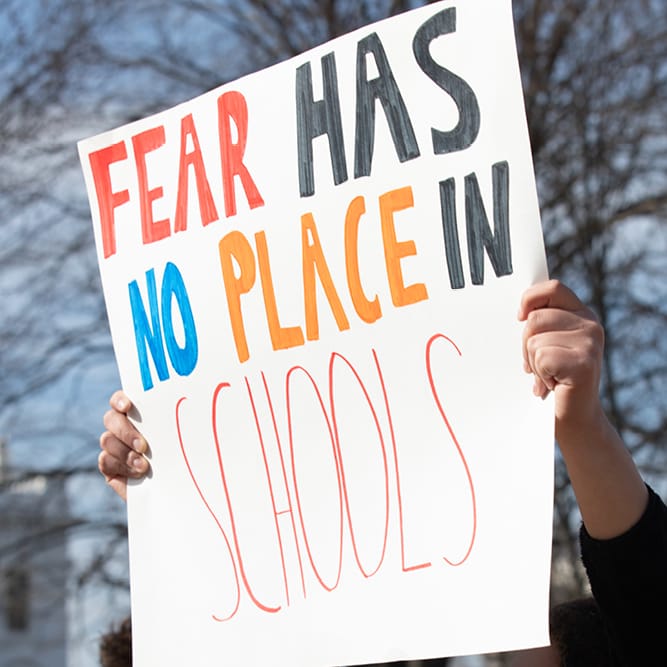
Although I no longer lived in Oxford, many of the people I loved did. As the news sank in that day, I found myself picturing the hallways, the classrooms, the familiar places where I had spent so much of my childhood—and the weight of that moment hit me harder than I could have imagined.
In the days and months that followed, I watched how the trauma reshaped the community. The loss reverberated long after the national attention faded. A few months later, after graduating from law school, I began looking for work in gun violence prevention. At the same time, amid the pain and loss, something else emerged—a determination across the state to ensure that no other community would have to endure what ours did.
In the weeks and months after the shooting on November 30, 2021, survivors and community members demanded action that matched the scale of the crisis—and Michigan met the moment.Within a few years, Michigan enacted a series of critical gun violence prevention measures: secure firearm storage requirements, an extreme risk protection order (ERPO) law, expanded background checks, a new domestic violence firearms prohibition, and restrictions on firearms in sensitive places such as schools and government buildings.
Those policies are already making a difference. Take Michigan’s ERPO law, which gives families and law enforcement a tool to intervene when someone is at risk of harming themselves or others. From February through December 2024, 391 ERPO petitions were filed, of which courts granted 287—about 73%—demonstrating that the law is actively removing firearms from dangerous situations.
On safe storage, Michigan has distributed more than 56,800 free gun locks through state health and human services offices and local health departments since February 2024. These gun locks, together with the new law that requires unattended firearms to be locked when minors are likely to be present, are important achievements, grounded in research showing that most unintentional child shooting deaths involve loaded and unsecured firearms.
These were major steps forward, but momentum has unfortunately stalled ever since the 2024 elections shifted control of the House away from the gun safety champions who helped bring about the previous progress. The same legislature that delivered historic reforms failed to advance any gun violence prevention measures during the 2024 lame-duck session—including a critical bill addressing ghost guns, untraceable firearms that are increasingly driving violence across the state and nationwide. That’s why the coming year is so important.
The fifth anniversary of the Oxford shooting in 2026 will be a solemn moment for many of us, but it also offers an opportunity for Michigan to determine what comes next. Communities across Michigan continue to demand safer schools, safer neighborhoods, and a commonsense public health approach to gun violence that addresses both immediate risks and the conditions that fuel it.
Meeting that demand requires advancing the next phase of Michigan’s gun violence prevention agenda—one that strengthens accountability for the gun industry. We must hold the gun industry accountable when its business practices create unreasonable risks. One of the ways to do this is through victims’ access to justice laws. Federal law largely shields the industry from civil liability, but states can overcome this law to instead provide pathways for victims, survivors, and communities to take legal action against negligent, reckless, or dangerous practices.
Other types of essential gun industry accountability laws include:
- Dealer licensing requirements to ensure responsible operation of gun retailers.
- Trafficking prevention measures to reduce the flow of firearms into illegal markets.
- Reasonable standards of conduct for dealers and gun shows.
These measures are not symbolic. They ensure that companies, rather than communities, bear the costs when unsafe practices contribute to gun violence. Accountability also includes requiring dealers to meet strict standards of responsibility, maintain basic levels of due diligence, and adhere to fair and safe conduct—standards that nearly every other industry in America are held to.
More than 10 states have already enacted industry responsibility laws of some type, and dozens more have pushed forward critical dealer accountability measures. Michigan must follow their lead.
At the same time, Michigan must also expand its investments in community violence intervention (CVI). Led by individuals with deep ties to affected neighborhoods, these programs have been shown to consistently reduce shootings when adequately funded. This past year, Michigan leaders invested $10 million in CVI. In the years ahead, the state must ensure that dedicated, sustained CVI funding is treated as a core public safety investment.
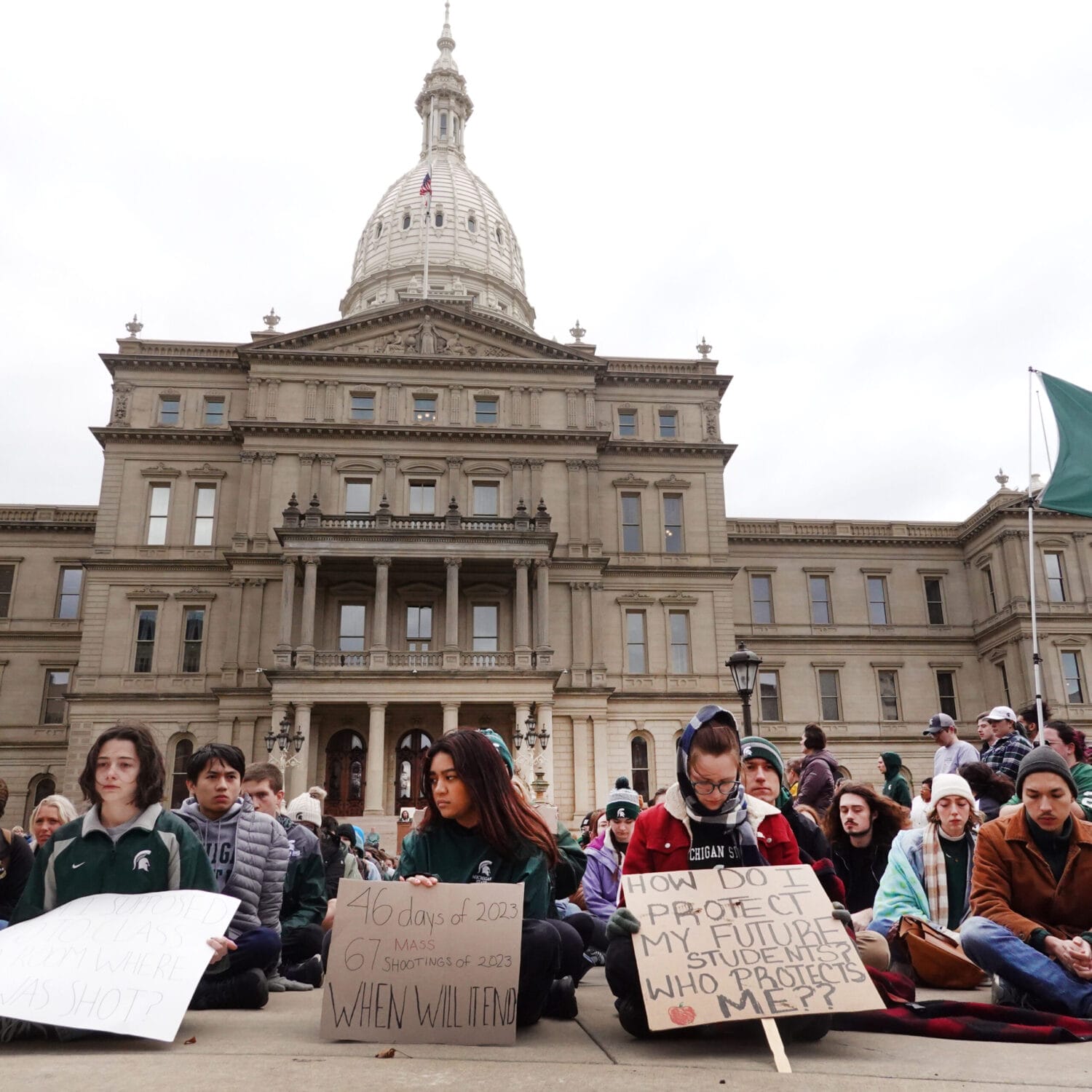
Michigan has shown what is possible when lawmakers treat gun violence as a preventable public health crisis rather than a political stalemate. The progress after Oxford and the Michigan State University shootings proves that change is achievable—and that communities will support it. Preparing now—advancing industry accountability proposals, strengthening CVI investments, and educating the public on recent reforms—will ensure Michigan is ready to act as soon as the legislature is positioned to take meaningful steps.
Next year’s anniversary will be difficult. But it should also remind us: Michigan has moved before. It can move again. The question is whether we are ready to write the next chapter when the opportunity arrives.
TAKE ACTION
The gun safety movement is on the march: Americans from different background are united in standing up for safer schools and communities. Join us to make your voice heard and power our next wave of victories.
GET INVOLVED
The Latest

City of Philadelphia and DA Krasner File Lawsuit Against GLOCK, Inc., For the Company’s Role in Gun Violence Crisis
GIFFORDS urges Minnesota Republicans to pass commonsense gun laws