Gun Homicides Are Declining. CVI Is An Undeniable Part of the Story.
Five cities with declining homicide rates have one thing in common: sustained investments in community violence intervention.
Over the past year, many cities across the United States have reported drops in gun homicides, in some cases reaching levels not seen in decades. These shifts raise an important question: Why?
Citywide violence trends rarely move for a single reason. Economic conditions, housing stability, local policy decisions, policing strategies, and the strength of community networks all shape public safety outcomes. Understanding why violence is declining in some places requires looking at how these forces interact locally.
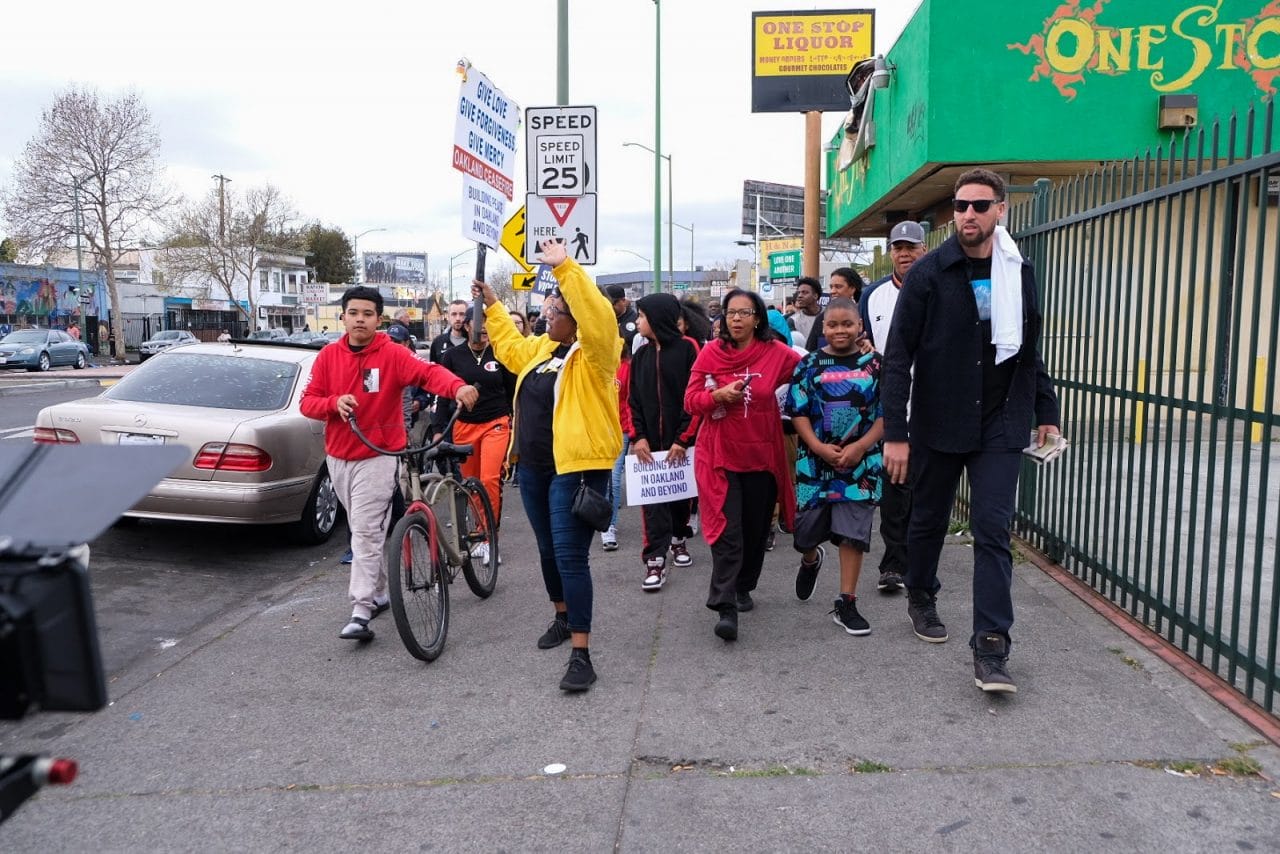
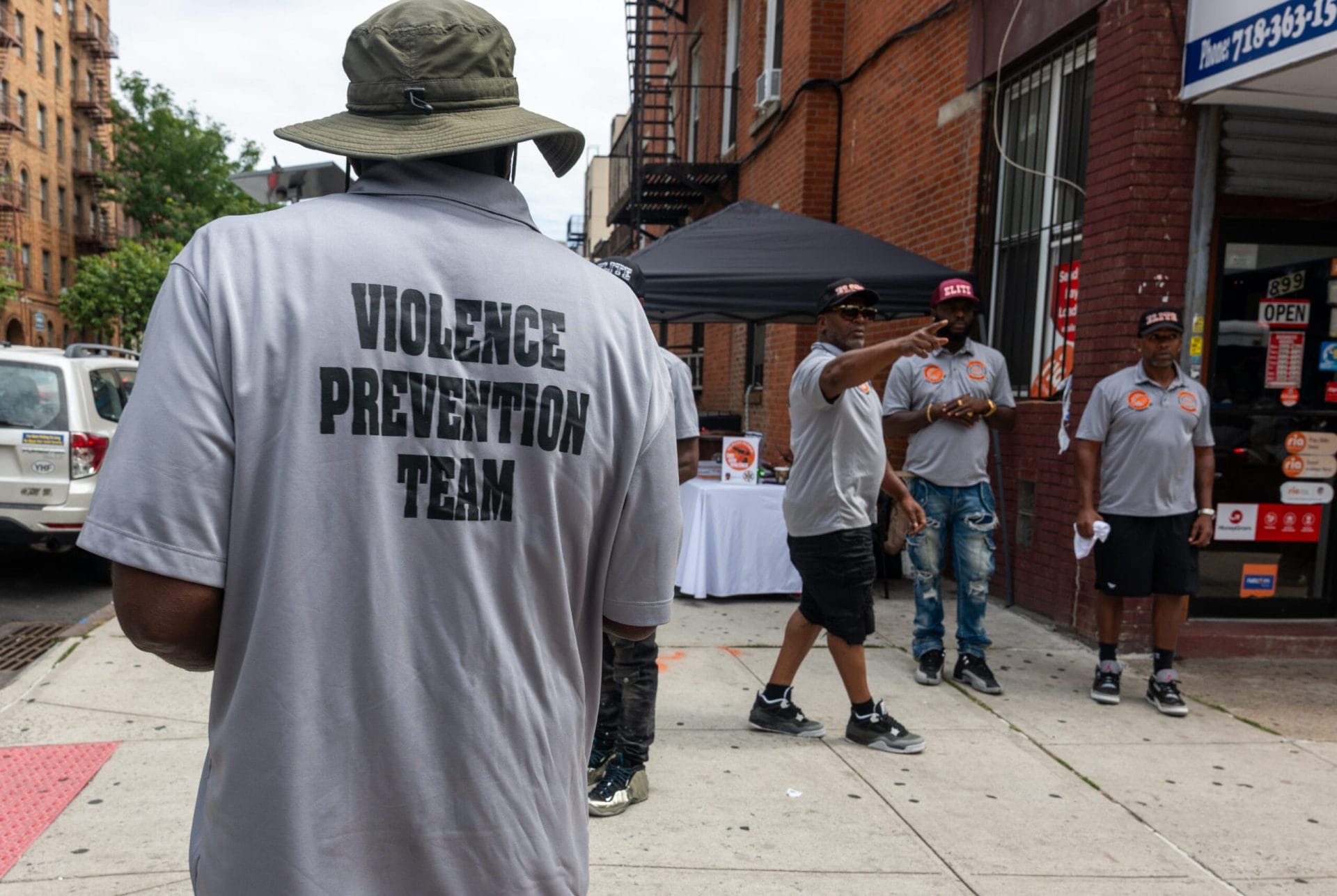
One development that has become increasingly visible in recent years is the growing role of community violence intervention (CVI) in local safety strategies. CVI programs rely on trusted community members who work directly with individuals at highest risk of involvement in violence. Through street outreach, conflict mediation, case management, and connections to services, these practitioners aim to interrupt cycles of retaliation and provide pathways to stability.
Over the past several years, hundreds of millions of dollars in public and philanthropic investment has expanded the infrastructure supporting this work. Federal relief funding, new state grant programs, and local public safety initiatives have allowed many cities to move beyond short-term pilot programs and build more stable prevention ecosystems.
Now, we’re seeing these efforts pay off by stopping shootings and saving lives.
Below, we’ve highlighted five cities that illustrate how these investments are taking shape on the ground. These examples are not meant to prove that CVI reduces homicides; rather, they offer a closer look at how sustained investment in community-based safety strategies has become part of the broader landscape shaping violence trends in many American cities.
Baltimore: Down 31%
Baltimore has experienced one of the most dramatic recent reductions in gun violence among major US cities. In 2025, the city recorded 133 homicides—a 31% decrease from 2024 and the lowest annual total in nearly 50 years. Nonfatal shootings also declined substantially, falling from 423 incidents in 2024 to 311 in 2025. These improvements reflect a multi-year trend: Since 2021, both homicides and shootings in Baltimore have declined by nearly 60%.
Over the same period, Baltimore has significantly expanded its CVI infrastructure. The city’s Comprehensive Violence Prevention Plan, adopted in 2020 and implemented under Mayor Brandon Scott, positioned CVI as a core component of Baltimore’s public safety strategy. Through the Mayor’s Office of Neighborhood Safety and Engagement, the city has directed tens of millions of dollars in grants to community organizations, expanded the Safe Streets street outreach program, and strengthened hospital-based violence intervention efforts across the city.
State policy has also reinforced these efforts. In 2024, Maryland established the Center for Firearm Violence Prevention and Intervention within the Department of Health and provides ongoing grant funding through the Maryland Violence Intervention and Prevention Program. The state has also used federal American Rescue Plan funding to strengthen coordination and expand support for violence intervention efforts, including roughly $11 million to support community-based programs and strategies. Evaluations of Baltimore’s Safe Streets model have also found measurable impacts, with one study finding a 23% reduction in shootings associated with program implementation across all program sites.
Chicago: Down 30%
Chicago has seen a significant decline in lethal violence in recent years. The city recorded approximately 416 homicides in 2025, a nearly 30% decrease from the previous year and the lowest annual total since 1965. Shootings declined alongside homicides, continuing a downward trend following the spike in violence seen during the early years of the COVID-19 pandemic.
CVI organizations are a central part of Chicago’s broader public safety ecosystem. Community-based groups conduct street outreach, mediate conflicts, and provide intensive case management to individuals at highest risk of gun violence. These efforts operate alongside city and county initiatives and are increasingly coordinated through shared data tools such as Chicago’s Violence Reduction Dashboard, which tracks shootings and homicides to guide prevention efforts. This coordinated approach has also drawn in new partners beyond the public sector, with Chicago’s private sector organizing in an unprecedented way through the Partnership for Safe Communities and the Civic Committee to direct tens of millions of dollars toward expanding CVI work.
This cross-sector momentum has also been backed by state policy. Illinois’s Reimagine Public Safety Act established sustained funding for community-based violence prevention, and beginning in 2022 the City of Chicago, Cook County, and the State of Illinois coordinated more than $248 million in public investment to support violence prevention initiatives. Additional funding flows through programs such as Restore, Reinvest, and Renew (R3), which directs cannabis tax revenue toward community investment and violence prevention efforts. Research has also begun to examine these investments: A recent study by Northwestern University found that Chicago neighborhoods receiving higher levels of CVI funding experienced larger improvements in public safety gains and increased access to services for highest risk groups.
Detroit: Down 19%
Detroit closed 2025 with its lowest homicide total in more than 60 years, continuing a multi-year decline in violence across the city. Since 2020, homicides have fallen by 19% and nonfatal shootings by more than 60%, signaling sustained progress after the pandemic-era spike in violence.
A major expansion of CVI began in 2023 with the launch of Detroit’s ShotStoppers program, which directed $10 million in American Rescue Plan funding to community organizations working in six neighborhoods experiencing the highest levels of gun violence. Local groups conduct street outreach, conflict mediation, and support services aimed at individuals most at risk of involvement in shootings.
State policy has also begun to reinforce these efforts by way of a newly established Office of Community Violence Intervention Services and grant program within the Department of Health and Human Services to support prevention initiatives. The state has also expanded Medicaid eligibility to allow reimbursement for certain violence intervention services, reflecting a growing recognition of violence prevention as part of public health infrastructure.
Los Angeles: Down 19%
Los Angeles experienced a notable reduction in lethal violence in 2025. Preliminary data suggests that there were 230 homicides—a decrease of about 19% and the lowest annual total since the mid-1960s. In neighborhoods most impacted by violence, the decline was even sharper: Areas covered by the city’s Gang Reduction and Youth Development (GRYD) initiative saw roughly a 27% drop in homicides in 2025.
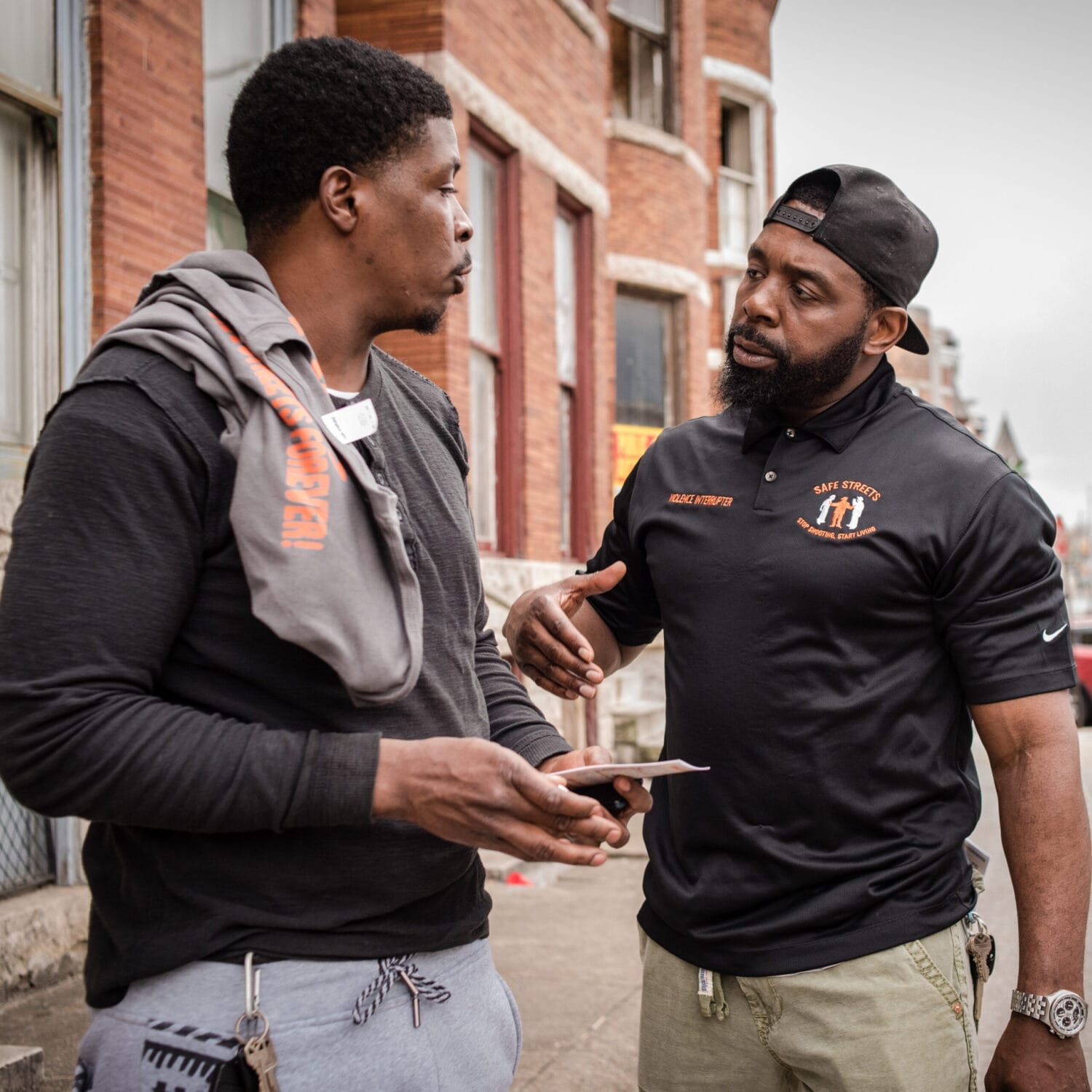
Los Angeles operates one of the most developed CVI ecosystems in the country. The city’s long-standing GRYD program coordinates prevention and intervention efforts across 23 designated zones, supporting outreach workers, violence interrupters, and youth development programs in neighborhoods most affected by gun violence. In recent years the GRYD budget has grown to roughly $43 million, reflecting sustained city investment in community-based prevention strategies.
County and state policies further reinforce this infrastructure. Los Angeles County’s public health–anchored Office of Violence Prevention coordinates hospital-based intervention and community outreach programs, while California’s CalVIP grant program has invested more than $350 million statewide to support CVI efforts in cities like Los Angeles.
Orlando: Down 58%
Orlando recorded one of the steepest homicide declines among major city police departments in 2025. The city reported 10 homicides in 2025, down from 24 the previous year, a reduction of roughly 58% and the lowest annual total recorded since the police department began tracking the measure in 1971. Although police data reflects only recorded crimes, reductions of this magnitude still suggest important changes in local violence trends.
Alongside these reductions, Orlando has been expanding CVI as part of its prevention strategy. The city houses its violence prevention work within the Families, Parks and Recreation Department, reflecting an approach that situates prevention within community infrastructure rather than traditional public safety agencies. Local programs focus on outreach to individuals at highest risk of involvement in shootings, pairing mentorship and conflict mediation with connections to social services and employment opportunities.
Federal funding has helped support these efforts, including a $1.55 million award from the US Department of Justice to expand intervention work through the Peace Orlando program. At the state level, Florida established a Community Violence Intervention and Prevention Grant program in 2024 with an initial $2.5 million investment, providing additional support for local prevention initiatives.
These recent declines in gun violence illustrate that change is possible when communities have the resources, stability, and trust needed to do this work well. The cities highlighted here show that community violence intervention is not a temporary experiment. When sustained investment allows trusted practitioners to remain present in neighborhoods, coordinate with partners, and build long-term relationships with people at highest risk, violence can and does decline.
But this progress remains fragile. Many programs across the country are still operating on uncertain funding timelines, and the neighborhoods that have carried the greatest burden of violence continue to face deep structural challenges. Without sustained commitment from federal, state, and local leaders, the systems that have begun to take shape in places like Baltimore, Chicago, Detroit, Los Angeles, and Orlando could easily erode.
Building a durable community safety infrastructure requires predictable and sustainable funding, thoughtful policy design, and continued support for the practitioners and organizations doing this work on the ground. Policymakers, philanthropists, and public safety leaders must treat community violence intervention as a long-term investment in public well-being. The recent reductions in gun violence offer us a window of opportunity. The challenge now is to build on that progress so that safer communities are not the exception, but the expectation.
CHAMPIONS FOR PEACE
Our Champions for Peace series honors the people working on the ground to stop violence in their communities before it happens. If someone comes to mind as you read this, take a moment to nominate them.
Learn More