
Navigating Gun Violence & Loss as a Father
As part of a new project between GIFFORDS Center for Violence Intervention and Yale’s Department of Psychiatry, we’re interviewing fathers about navigating their grief in the wake of community gun violence.
Gun homicide represents approximately 40% of the gun deaths each year, and with each life lost, there is a family who is left behind to mourn their loved one.
The father’s perspective in these situations is one that is often lost or misunderstood in discussions of grief and loss. That’s why understanding how fathers navigate this traumatic grief and loss has implications for their entire family.
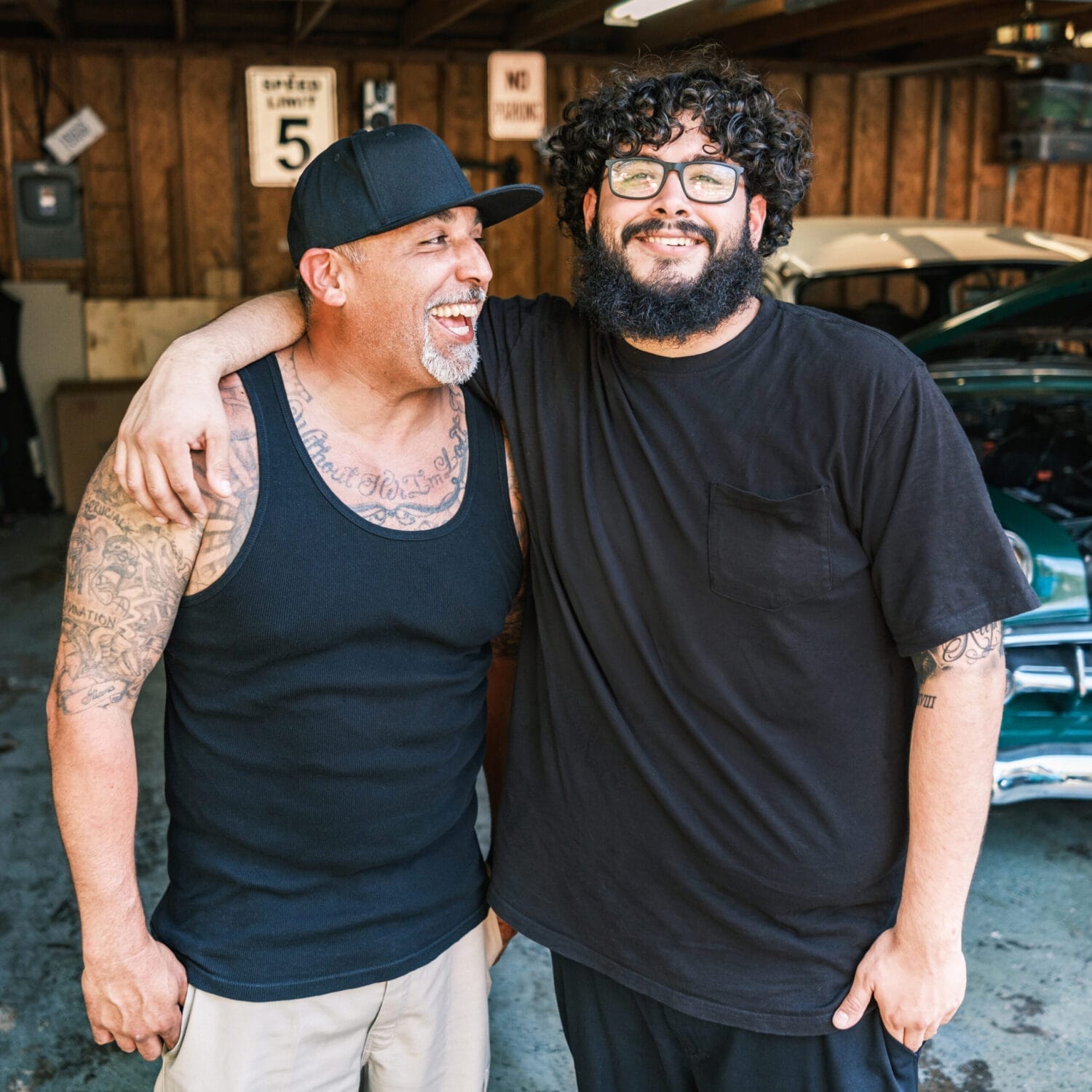
The impact of fathers on child development occurs in two directions: fathers directly to the child, and fathers through their co-parenting partner. This observation signals the critical and important role that fathers play in the healthy development of children, families, and communities. The value that fathers bring can, at times, be either ignored or minimized. It can also be misunderstood. This is especially true for fathers of color within socioeconomically distressed communities, where, despite common myths of their disengagement, they are meaningfully involved in their children’s lives.
Part of this distress within communities of color is due to a disproportionate exposure to violence. Fathers (along with mothers and other family members) within these same communities often experience a disproportionate burden of community gun violence, an epidemic that continues to be a leading cause of death for children. For fathers, the loss of their children carries a significant weight that is not truly understood, and connects to their identity as a provider, nurturer, and protector.
While existing research has helped us understand how mothers navigate grief and loss of a child due to gun violence, we continue to have a limited understanding of how fathers navigate this same journey. As mental health providers, we have worked closely with fathers, especially those who have experienced continuous traumatic stress—many of whom have directly or indirectly experienced both gun violence and grief and loss. In our work, we have seen this knowledge gap firsthand and recognize the urgent need for intentional spaces designed for fathers navigating this experience.
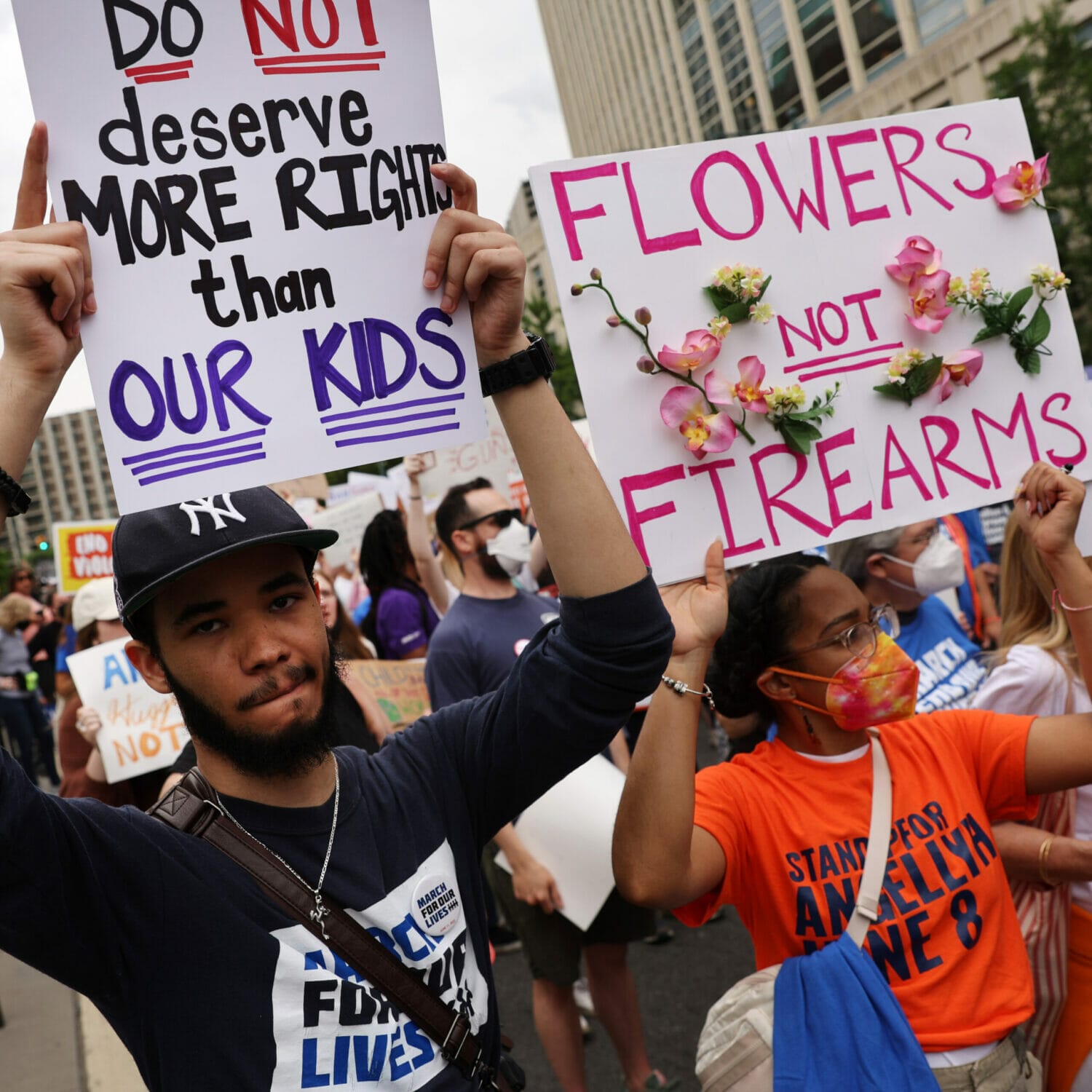
That’s why GIFFORDS Center for Violence Intervention and the Yale School of Medicine’s Department of Psychiatry are working together on a new project, titled Fatherhood and Loss: Paternal Grief Among Fathers Following Child Gun Violence.
For this project, we’re speaking with fathers who have lost their children to community gun violence. Our goal is to better understand their experiences, as well as to inform practice and policy approaches to support them, their families, and their communities.
By listening to these fathers, we hope to help recognize and build supports that acknowledge the critical role they play in family and community life, as well as the key areas they see as important to their healing.
The healing path for fathers may involve being able to transform this negative experience into one that promotes growth for them and others they care for. In our early conversations with fathers, one theme that has emerged is the tension between “going back to my old ways” and staying oriented toward the future. Research informs us that parental loss due to gun violence can contribute to an increased risk of poor mental health outcomes, which can be associated with poor coping strategies.

It is important to note that research also shows that a father’s poor mental health not only impacts him, but has implications for the entire family. This reflects a common strain for survivors of violence: pushing forward to find healing while avoiding the pull towards unhealthy survival strategies. For some fathers, that healing is centered on their family and surviving loved ones. For others, it can be channeled into larger advocacy efforts, and perhaps for many, there is a combination of both. In these considerations, what can be missing is what fathers need to heal—and the spaces for them to do so.
Another emerging theme is the role of community and how being connected to others provides significant support for fathers navigating the death of a child from violence. Professionally, we have witnessed just how powerful the shared identity of being a father is, and how it brings men together and creates a transformative space for connection and healing. We’ve also seen this trend in other areas of gun violence survivor research, where access to social support has been a significant protective factor.
While research specific to fathers navigating the loss of gun violence is limited, current evidence suggests that fathers benefit from connecting with others who have experienced death because of gun violence. However, one notable gap reflected in the research is the lack of understanding of how fathers process grief and loss in this context.
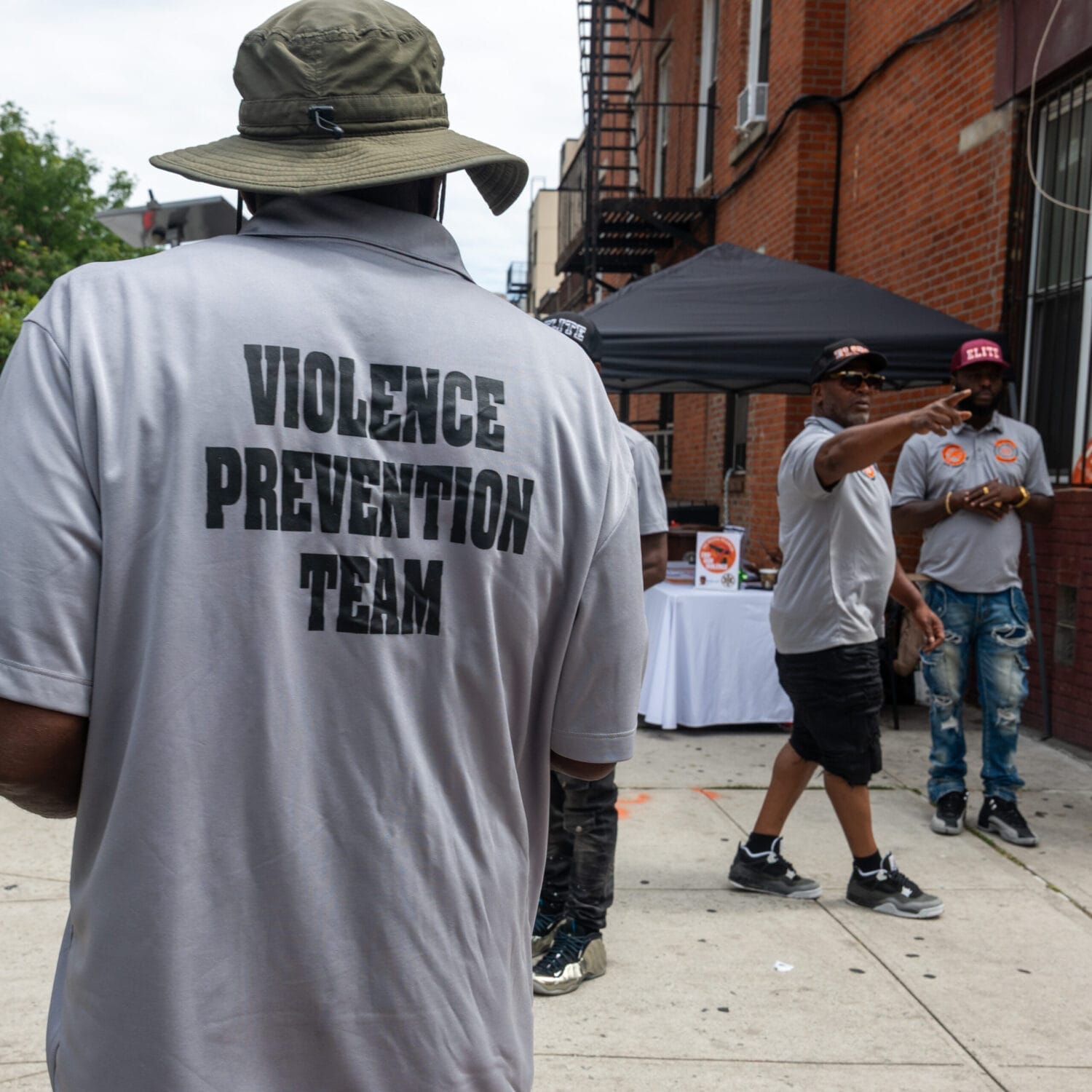
To change this, we must intentionally affirm fathers and the diverse roles they play within the family. This will require us to balance traditional notions of what it means to be a man (e.g., strong, emotional backbone of the family, protector) while finding healthy ways to promote his healing and the healing of those he cares about. These considerations move the conversation away from labels of “toxic masculinity” and instead ask, “What are some healthy expressions of grief that will support a father and his family’s healing?”
In general, grief and loss due to gun violence are unique compared to other forms of loss. This experience is influenced by continuous community trauma, systemic and historic mistrust, and a general lack of accessible resources to facilitate healing. For fathers, this research gap reflects the misplaced stereotypes of the disengaged father, not the true experiences of fathers who often lack specific community-based spaces and resources. It also highlights larger policy gaps to adequately address the needs of the entire family managing the immediate and long-term emotional consequences of loss due to gun violence.
That’s why GIFFORDS Center for Violence Intervention and the Yale School of Medicine’s Department of Psychiatry are undertaking this project—to better understand this gap and to identify opportunities to fill it. Our goal is to center the voices of fathers through a series of qualitative interviews to better understand their unique experiences. We hope to leverage our observations to inform policy and practice, and create inclusive, father-friendly, supportive spaces that will contribute to community healing and safety.
If any part of this piece resonates with you and you would like to contribute your experience, please reach out to us.
CHAMPIONS FOR PEACE
Our Champions for Peace series honors the people working on the ground to stop violence in their communities before it happens. If someone comes to mind as you read this, take a moment to nominate them.
Learn More
The Latest

GIFFORDS statement on shooting at Bend, OR elementary school

GIFFORDS endorses Xavier Becerra for governor of California
