Regional CVI Conferences Are Crucial to Developing the Field
Community violence intervention work is shaped by the local environment. We must create spaces for this work to grow.
Community violence intervention (CVI) is a movement built on people, purpose, and the power of showing up for our communities.
Over the last few years, we’ve watched frontline CVI professionals push for real professionalization and consistency in how the field operates. This is not only about elevating outreach workers, credible messengers, and frontline staff to stand shoulder-to-shoulder with other public safety stakeholders, but also about creating opportunities to identify and integrate evidence-informed practices emerging from regional pockets across the country into initiatives that address community violence. As the country increasingly learns about the impact of community-led public safety strategies, it’s more important than ever to create more spaces where the expertise of CVI professionals is both recognized and strengthened.
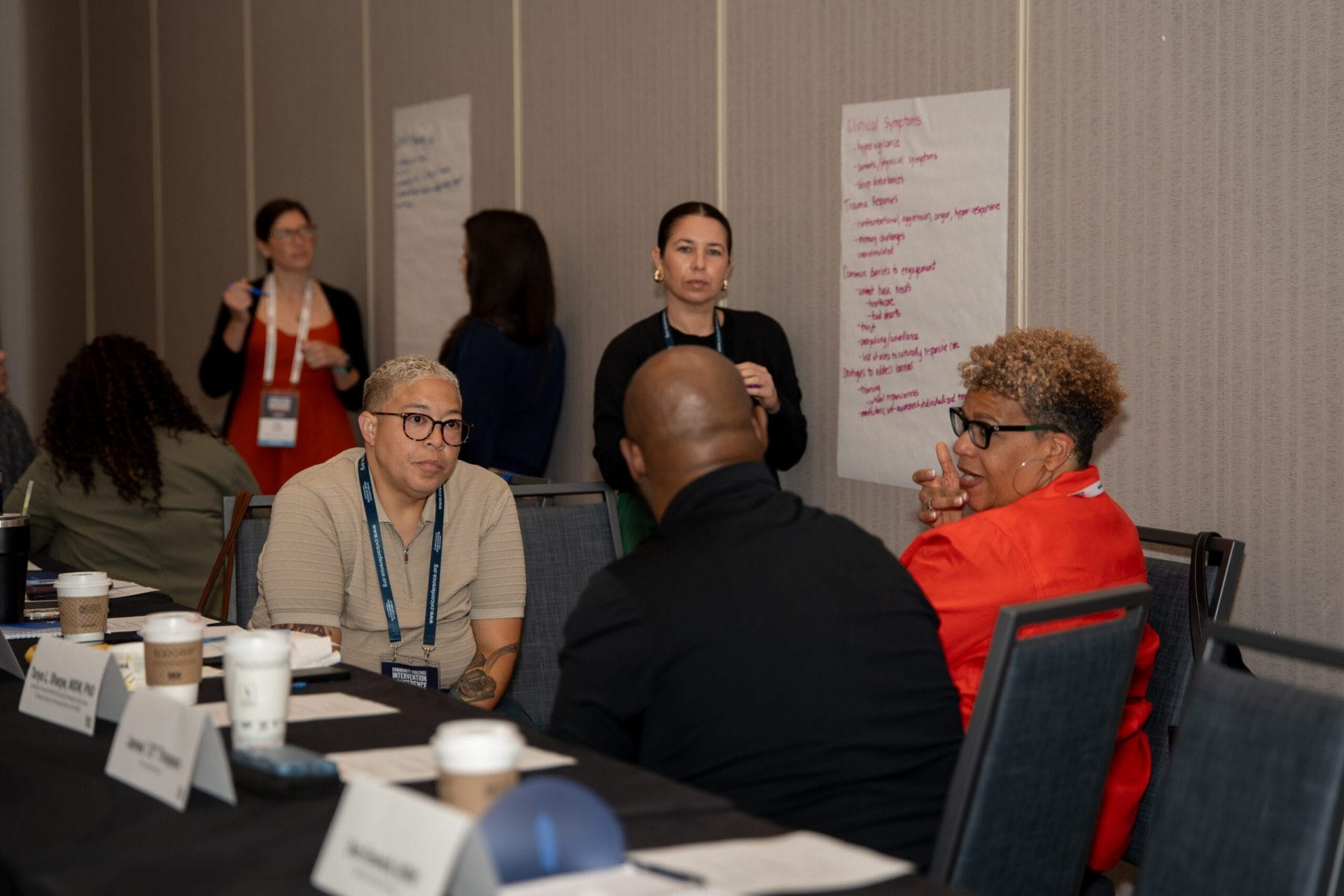
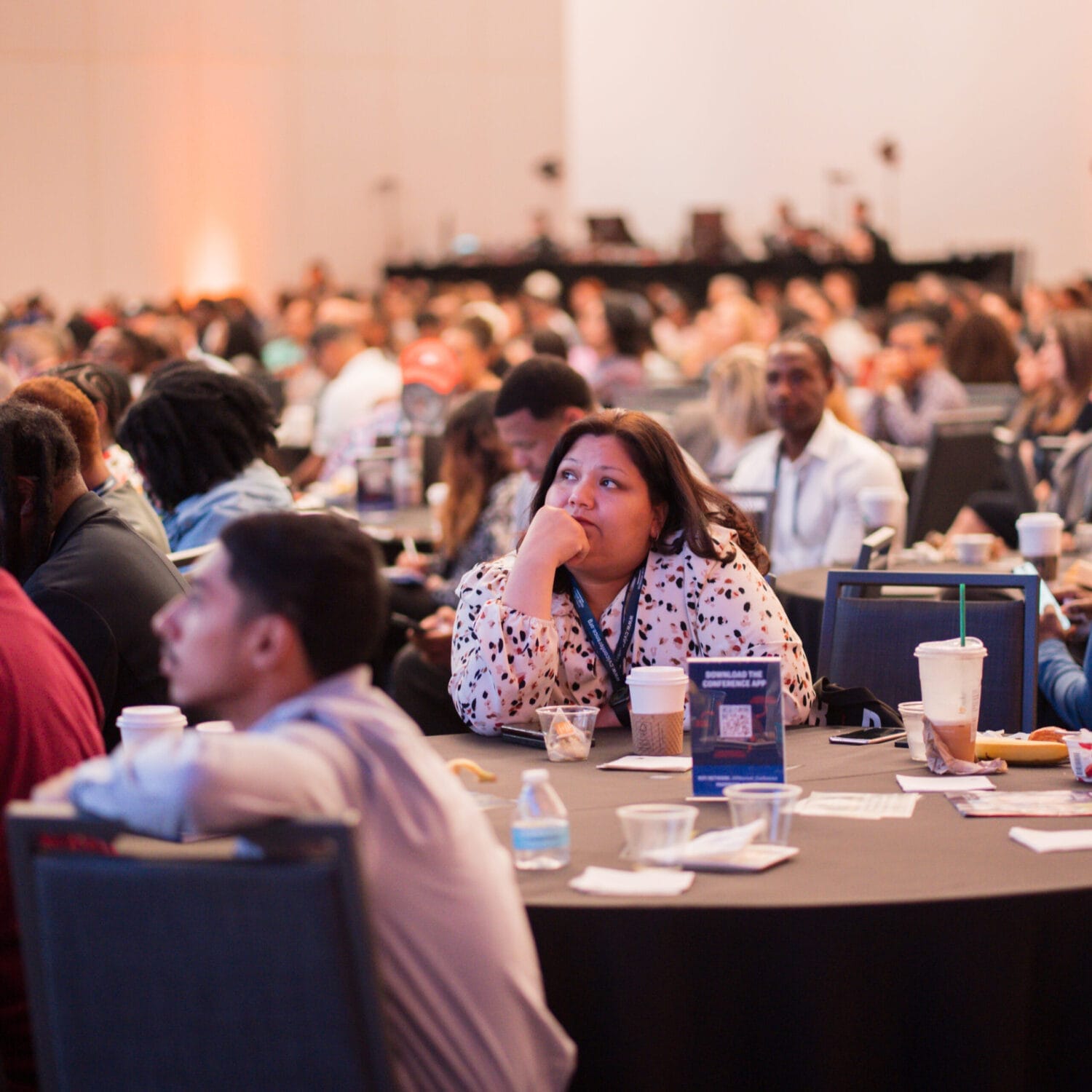
National conferences like the annual Community Violence Intervention Conference, hosted by GIFFORDS Center for Violence Intervention, have played a huge role in this by creating a space for practitioners to grow and sharpen their craft. It’s gatherings like these that fuel the critical work of building a field.
What often gets overlooked, however, is the need for regional gatherings—the spaces that honor local challenges, lift up homegrown solutions, and give local practitioners, policymakers, and researchers a chance to build together in ways that truly reflect the communities they serve. These regional CVI convenings are where the professionalization of the field truly takes root, grounded in real relationships, shared experience, and the collective foundation of the work we’re all committed to.
Regional convenings serve a different purpose than city or state-based gatherings. While city convenings may focus on local coordination and state convenings often center policy advocacy and funding structures, regional convenings create a rare middle space where shared histories, cultural context, and cross-jurisdictional realities come into conversation. They allow practitioners to learn across systems without losing sight of place, strengthening practice, relationships, and identity in ways that are both scalable and better coordinated.
At its core, this work has always been grounded in trust, lived experience, and the belief that healing and safety begin with human connection. In 2011, I saw that come to fruition as community-based violence intervention was gaining footing across New England. Alongside a group of other organizational leaders in the region, we recognized and sought to fill a gap. Streetworkers were doing some of the most critical public safety work in the community, yet rarely had spaces designed specifically for their growth, reflection, and collective learning.
In response, we created a convening solely for streetworkers—one that was intentional, practitioner-led, and rooted in the realities of frontline work. From that vision, the New England Streetworker Conference was born. What started as a gathering of 100 streetworkers has grown into a regional convening of more than 300 practitioners from across New England, held annually at Gillette Stadium, home of the New England Patriots. Each year, the conference reinforces a shared commitment to reducing violence, strengthening practice, and sustaining a movement built by those closest to the work.
Growing & Engaging CVI Workers
To better understand what types of spaces would benefit the field, I spoke with national partners, CVI professionals, and subject matter experts. In my conversations, one thing became unanimously clear: These spaces matter. Everyone believes in the need for consistent professional development, the power of building real relationships across cities, and the importance of creating a space where frontline workers feel seen, valued, and supported. Regional convenings do all of this and more.
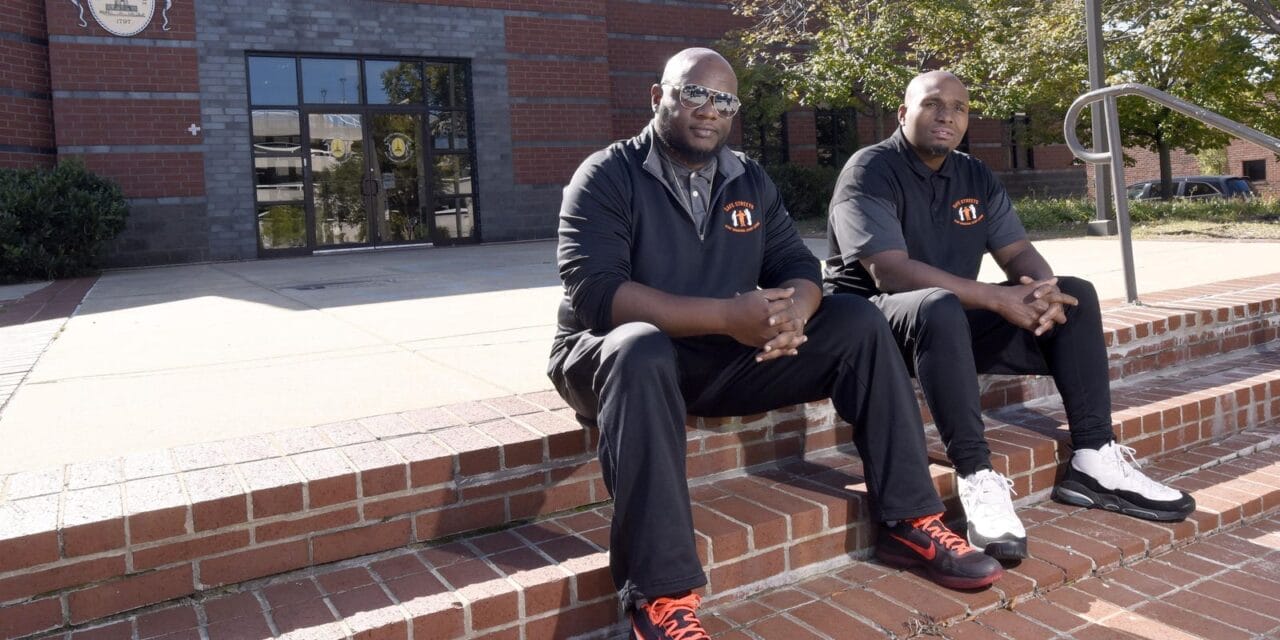
Across the country, people are fighting every day to reduce violence and bring healing back into neighborhoods. It’s not easy work; it’s emotional, heavy, and deeply personal. For many, these gatherings are a source of renewal—a chance to reconnect with purpose and gain the motivation to keep pushing forward. When frontline workers are given the opportunity to be in space together, stronger relationships can be fostered to improve coordination across organizations, and when people feel valued, they can better serve communities most impacted by gun violence. A stronger, more connected CVI workforce means stronger intervention, better outreach, deeper trust in the community, and ultimately, safer neighborhoods.
One of the people I spoke to was Elizabeth Giannetta of COMPASS Youth Collaborative, who emphasized this need: “I think there needs to be a lot more. There’s not enough time or moments for us to get together to talk about challenges, successes, if there’s a program that’s really working and you think it could work in my community, I want to know about that, not just hear it once and then not again until the following year.”
Bringing Together Different Perspectives
These conferences give us more than just information—they give us perspective and a venue to strengthen our collective voices. They help build collective power, rooted in shared experience, knowledge, and purpose. As Teny Gross, CEO of the Institute for Nonviolence Chicago, put it, “There’s power in numbers. You start bringing outreach together. Now we have a muscle, and guess what? City officials feel it. Funders feel it. Foundations feel it.”
When frontline practitioners from across the region come together, they’re not just learning—they’re strengthening the field. They are leveraging lived experience, cultural identity, and community wisdom in a way only they uniquely can. They’re aligning strategies, elevating field-tested expertise, and building unity that makes systems pay attention. That’s real power, and by supporting the development of these spaces, the work can only become more effective. “The people on the ground should be driving the conversations,” said Thomas Harmon, street outreach team lead at the Nonviolence Institute, when we spoke to him. “It shouldn’t be top-down. We’re the closest to the problem, but we’re also the closest to the solution, with the least amount of resources.”
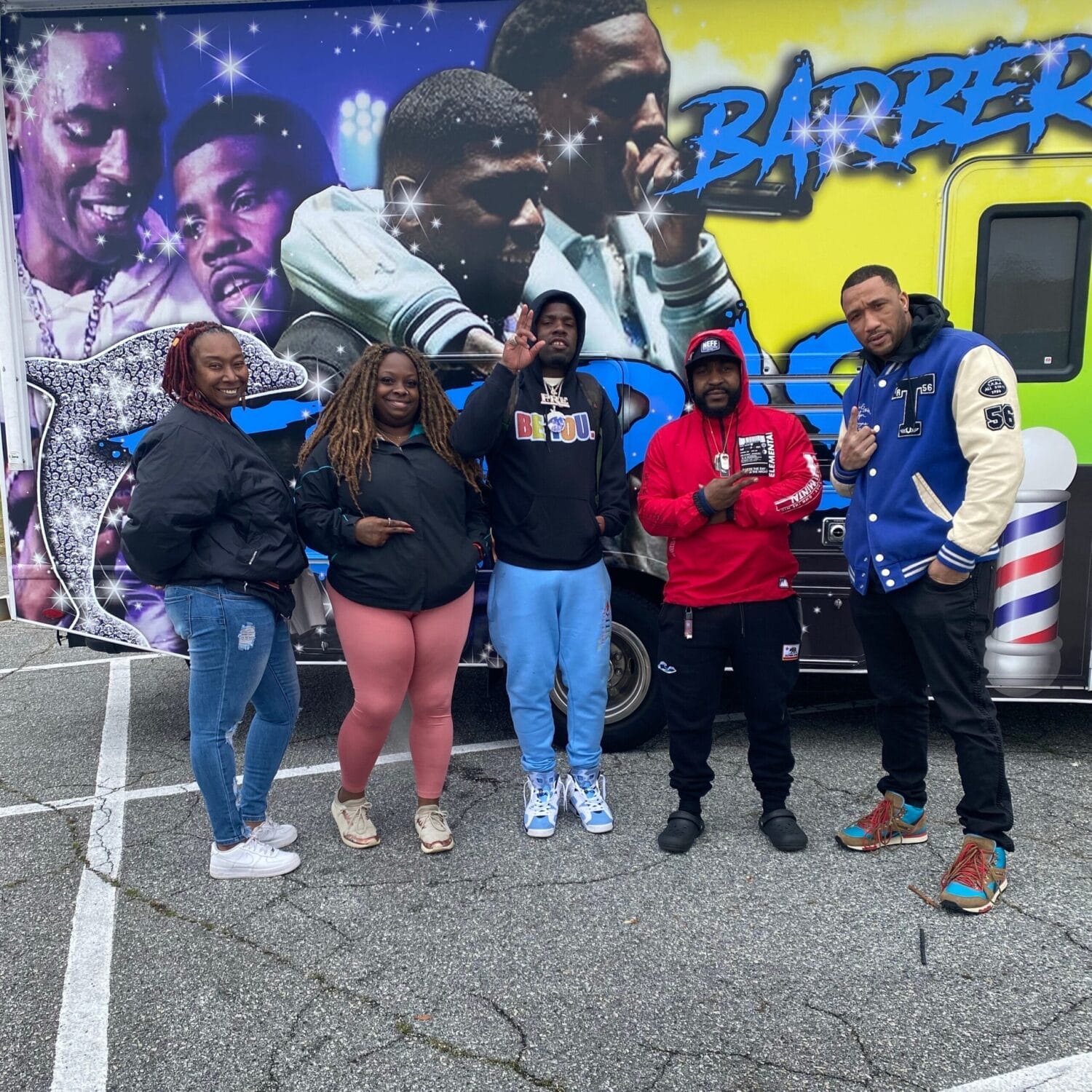
Nichelle Sadler, executive director of UTEC’s Training Center for Excellence, told me something similar. “These convenings give leaders space to step back from what’s right in front of them, reflect with peers, and see their work as part of a larger ecosystem, not just a single organization. New ideas surface, encouragement spreads, perspective sharpens. That’s how the field grows. That’s how our work gets stronger.”
In these spaces, local insight starts to travel. Strategies developed in one neighborhood reach practitioners in another city, and lessons from the ground inform the national conversation. What begins as a hyperlocal practice becomes shared knowledge the field can build on together.
“Imagine if we’re organized and we had [better collaboration in] New England, Chicago, LA, New York, the South, Florida, Texas, all these contingents,” Fernando Rejón of the Urban Peace Institute explained. “Everybody comes up with their own standards. Then you merge those documents, and now you have national standards that a large portion of the country has bought into.” This kind of network bridges local impact with national strategy, strengthening work across the country.
Developing New Leaders
Just as important as the ideas exchanged at these gatherings are the leaders who emerge from them. All conferences focused on advancing CVI, regional or otherwise, create space for leadership to grow where it matters most: from the front lines. They create an environment and expectation for frontline leadership to mature, transforming experience into strategy and ensuring those closest to the work are shaping the direction of the field.
That’s not about titles so much as it’s about cultivating trusted public servants who can guide, influence, and inspire others to drive strategies that save lives and promote healing. These convenings are a way to identify and uplift diverse leaders—those who have lived the struggle and earned the respect of their communities—while building the skills, resources, and infrastructure to make the work sustainable. As Fernando put it, “Just having conversations, breaking bread, building relationships. And the idea is that, years down the road, if it’s watered locally, it grows. And you nurture the relationships with one another.”
Without spaces like these, the movement risks burnout and fragmentation. As Antonio Gutierrez of Lynn Street Outreach Advocacy said, “When I walked into that room and saw all those different shirts [of outreach organizations], I realized I’m not by myself.” Regional CVI conferences keep the roots of this work strong, connected, and ready to bear fruit. That’s why these gatherings can’t be an afterthought. They are part of a national strategy to reduce gun violence in a culturally relevant way.
In all my conversations with experts in the field, it became very apparent that practitioners and organizational leaders want to learn from each other and strengthen their regional networks. With recent federal funding cuts, many lack resources for training and technical assistance. Now is a ripe time to establish regional peer exchange networks to facilitate learning communities that offer cross-organizational collaboration and cost-effective support.
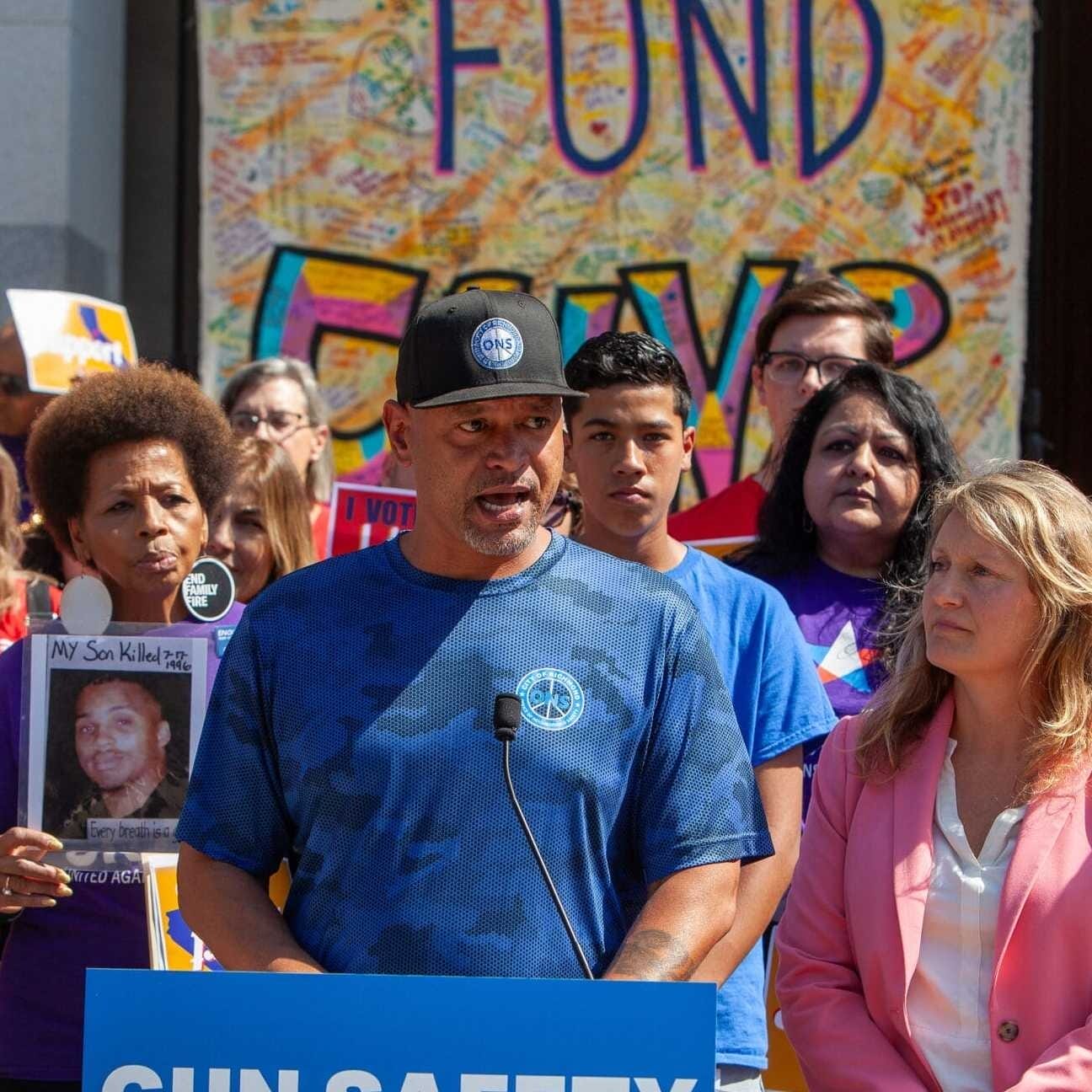
These gatherings allow practitioners to learn from each other, build relationships, and develop leadership, while creating alignment that can feed into broader national standards. As Thomas Harmon put it, “[We can] really get an idea of what’s working in, say, Fall River, what’s working in Hartford. Can we implement that here? What are the differences? What are the similarities? So being able to know what works in each of our different environments makes us individually stronger.”
Especially in regions where organizations are close in proximity and established leadership networks are already relationally connected, there are promising opportunities to share resources and accelerate collective progress. And where that foundation does not yet exist, public and private funders should invest in regional convenings as core infrastructure for field alignment, learning, and long-term sustainability.
When regions are organized and connected, the entire CVI field becomes better positioned to sustain impact over time. Regional convenings provide that essential space for practitioners, policymakers, and partners to align priorities, share hyperlocal lessons from the field, and build the relationships and shared strategy that drive effective violence intervention. In doing so, they help ensure that the lessons, leadership, and momentum emerging from communities are not isolated efforts but part of a growing, coordinated movement to save lives.
EVENT
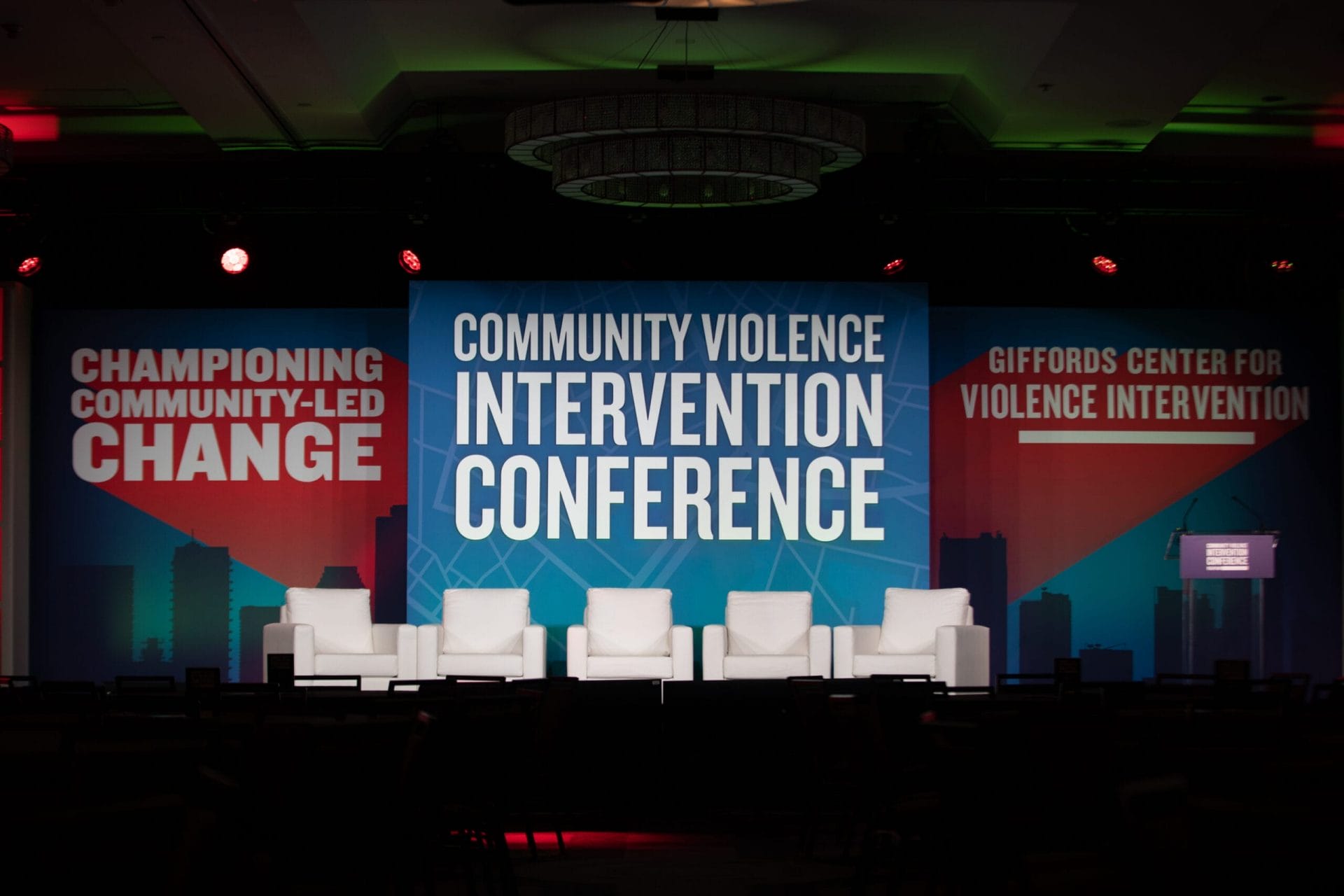
2026 CVI CONFERENCE
Giffords Center for Violence Intervention will host the 2026 Community Violence Intervention Conference in Los Angeles on July 20 & 21.
The Latest
GIFFORDS PAC endorses Ned Lamont for governor of Connecticut

GIFFORDS, Brady, Former Civil Rights DAs, Highlight the Dangers of Trump DOJ Challenge to DCs Assault Weapons Ban
