
GIFFORDS Center for Violence Intervention Releases First-Of-Its-Kind Guide to State CVI Coalition Building
In Parts 1 and 2 of our latest Partnering for Peace report, we provide a step-by-step guide to building state-level CVI coalitions from the ground up.
Community violence intervention works. In states across the country, community violence intervention (CVI) organizations and coalitions have helped secure historic public investments, establish new lifesaving programs, strengthen partnerships with government agencies, and contribute to record reductions in violence in cities around the country.

Those victories did not happen by accident. Behind many of them were statewide CVI coalitions that brought practitioners, advocates, survivors, researchers, funders, and public officials together around a shared vision for community-based public safety. As we discussed in our first Partnering for Peace report, the power and lifesaving impact of that organizing cannot be denied.
But the environment facing the field today is significantly different than it was just a few years ago.
Federal funding has been cut. State budgets have been tightened. The political environments that made ambitious advocacy possible in many states have become harder to navigate. The organizations doing the hardest work on the ground are finding themselves, again, doing more with less.
The states with organized, field-tested, practitioner-grounded CVI coalitions are better positioned to weather this pressure than the states without them. When the policy window closes, coalitions hold the relationships. When the funding gets cut, coalitions make the case for restoration. When agencies shift priorities, coalitions provide the feedback loop between what policymakers decide and what practitioners actually need. This infrastructure matters a great deal as the CVI field continues to evolve, but right now, too many states do not have it and the ones that do, need to build it to last.
That is what this guide is for. In states where a CVI coalition does not yet exist, it offers a framework for building one. In states where a coalition already exists, it offers the tools to strengthen what has been built. This moment calls for both, and this guide is written for all of it.
Given the magnitude and breadth of this important topic, we are releasing this report, Partnering for Peace II: Nuts & Bolts of State-Level CVI Coalition Building, in three parts. Part 1 lays the groundwork for state coalition building: whether a coalition is needed in the first place, how to assess readiness, and the important milestones of early coalition-building work. Part 2 covers the process of building and executing an effective CVI policy agenda and the core coalition infrastructure needed to recruit new members, build trust, and sustain coalition efforts over time.
Part 3 will be released in the coming months and takes the work deeper, examining how to best integrate survivor and practitioner voices, how to communicate your message and goals with broader audiences, and the common tension points and pitfalls that show up across coalition work.
At GIFFORDS Center for Violence Intervention, we’ve seen first-hand that the expansion of CVI work saves lives. We’ve also seen how statewide CVI coalitions are essential to building both advocacy power and organizational capacity within the field.
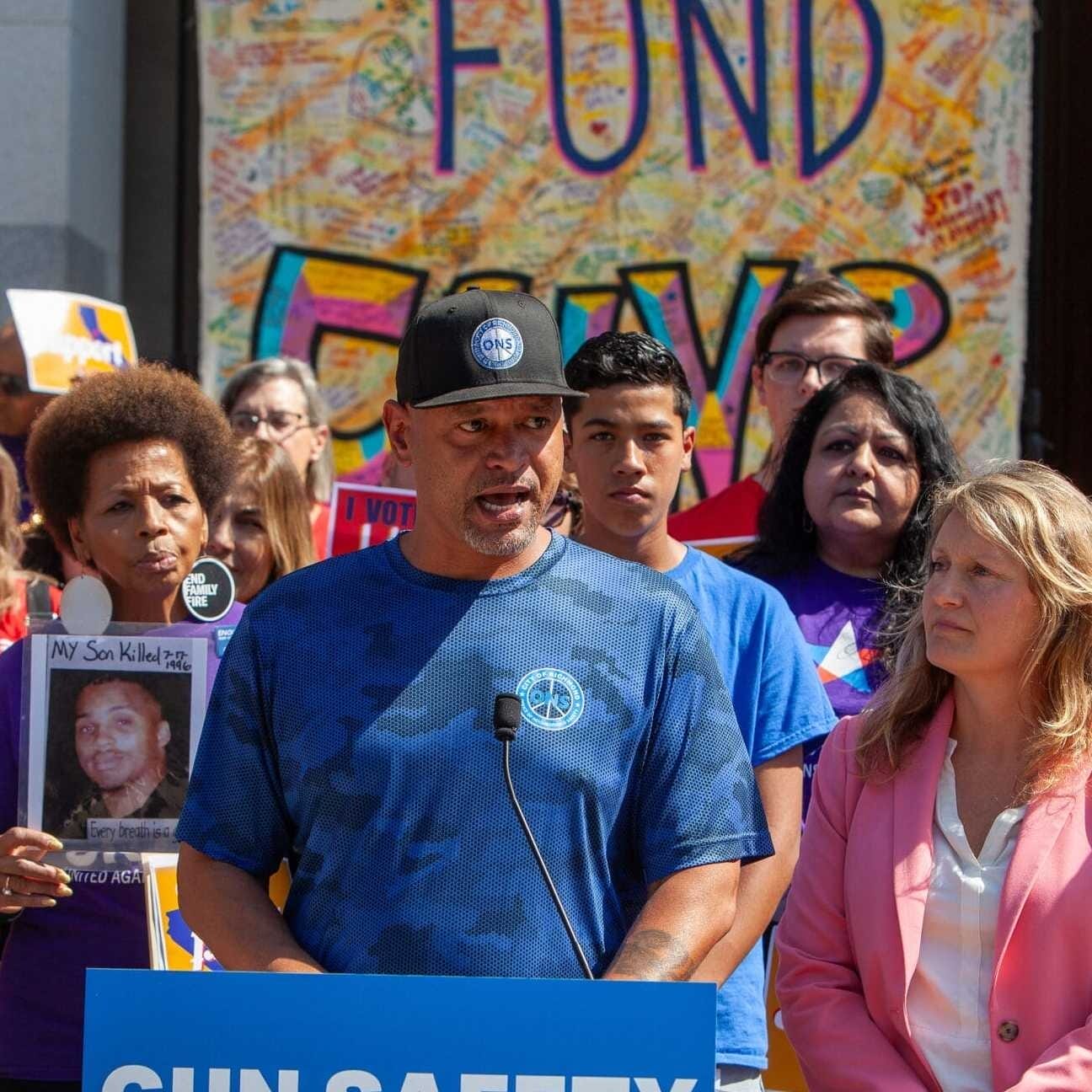
This guide is the second report in our ongoing series about CVI coalition building. The first report, Partnering for Peace: the Vital Role of Coalitions in the Movement to End Community Violence, made the case for why these coalitions matter.
This guide focuses on how to build them. Drawing on lessons from coalition leaders across the country, it offers practical guidance for launching, governing, sustaining, and leveraging statewide CVI coalitions to advance policy change and strengthen the field.
This guide to statewide CVI coalition building is practical, field-tested, strategic, and informed by principles of community-organizing. It is not academic, nor a template to copy or a substitute for the relationship-building that makes coalition work real. It is written to affirm and support practitioners already in the work—those looking to launch a coalition for the very first time, conveners navigating the messy middle, current coalition members trying to strengthen what they have built, and advocates in states with challenging conditions.
One common theme resonates throughout every page of our guide: Most state CVI coalitions are built among organizations that are simultaneously partners and competitors who are sitting at the same table while also competing for the same grants that their collective advocacy is trying to grow. This guide does not treat that dynamic as a challenge to overcome before the real work can begin. It is the actual operating condition of most statewide CVI coalitions, and designing around it is part of what makes coalition work succeed.
Another major theme that emerges again and again: Strong coalitions create the conditions for lasting change. Legislative victories matter. Budget wins matter. But coalition building is ultimately about something larger—creating durable infrastructure capable of advancing the field of community violence intervention over the long term.
When coalitions learn together, organize together, and win together, they build power. And when that power is rooted in the experiences of the communities most impacted by violence, it becomes one of the most effective tools available for expanding public investment, improving policy, and saving lives.
Why Are We Focused on State-Level Coalitions?
State budgets are where the largest CVI investments happen. State agencies shape how programs are implemented on the ground. Statewide organizing builds and maintains support for increased investments in CVI. State coalitions set the conditions under which local coalitions can thrive.
A significant portion of federal dollars are also allocated through decisions made at the state level, which means that a state without an organized coalition is simply absent from a very important table. The vision this guide works toward is that every state struggling with community violence has a robust and effective statewide CVI coalition and those coalitions are connected to one another to share what they’re learning.
The guide is organized into 11 stages that reflect the key components of coalition building work. It walks readers through the full life cycle of coalition development—from assessing whether a coalition should be formed at all, to building governance structures, developing policy agendas, coordinating advocacy campaigns, expanding membership, strengthening communications, evaluating impact, and securing sustainable funding.
The stages are not intended as a rigid checklist. Coalition development is iterative, and successful coalitions often revisit earlier stages as their membership, resources, and political environments evolve. Changing structures and systems over time is not failure—it’s how coalitions actually develop.
Part 1 of this guide lays the groundwork for state coalition building with this in mind. Strong CVI coalitions means actual lives saved. That is why we created this guide—and why this work is worth doing.
Part 1: Building a State CVI Coalition from Scratch
Stage 1: Determining Whether a State CVI Coalition Is the Right Strategy
Not every state needs a new coalition, and not every challenge is best addressed through coalition building. This stage provides a framework for assessing a state’s existing CVI landscape, understanding political conditions, identifying potential partners, and determining whether the right path is to join, revive, or create a statewide coalition.
Once the decision to build a coalition has been made, the focus shifts to bringing together the right people and establishing a common direction. This stage explores coalition recruitment, member engagement, mission development, meeting structures, and the importance of securing early wins that demonstrate the value of collective action.
Stage 3: Coalition Identity, Governance & Decision Architecture
Coalitions require more than enthusiasm—they require structure. This section examines governance models, leadership arrangements, decision-making processes, accountability mechanisms, and the practical realities of managing power, trust, and organizational relationships within a coalition.
Part 2: Building the Power of Your State CVI Coalition
Stage 4: Setting the Coalition’s Policy Agenda
Policy advocacy is one of the most powerful tools available to statewide coalitions. This stage explores how coalitions identify priorities, gather practitioner input, evaluate policy opportunities, balance ambition with political feasibility, and develop agendas that reflect the needs of both the field and the communities it serves.
Stage 5: Executing the Policy Agenda Through Advocacy
Winning policy change requires more than selecting the right priorities. This section examines how coalitions coordinate legislative campaigns, engage policymakers, utilize lobbyists and government affairs professionals, mobilize coalition members, and ensure that policy victories are effectively implemented after passage.
Stage 6: Coalition Functioning & Internal Operations
Sustaining a coalition requires intentional systems and day-to-day management. This stage focuses on meeting facilitation, working groups, leadership development, conflict resolution, member accountability, administrative infrastructure, and the operational practices that keep coalitions functioning effectively over time.
Stage 7: Recruitment, Growth & Sustaining Engagement
Coalitions must continuously cultivate new leaders and expand their reach while maintaining meaningful participation from existing members. This section explores membership growth strategies, onboarding practices, leadership pipelines, engagement models, and approaches for preventing burnout and maintaining momentum.
Part 3: Building Sustainable INfrastructure for Your State CVI Coalition
Stage 8: Practitioner-Centered & Survivor-Informed Practice
The legitimacy and effectiveness of a coalition depends on its connection to the people most affected by violence. This stage examines how coalitions can meaningfully incorporate practitioner expertise, lived experience, and survivor perspectives into governance, strategy development, advocacy, and decision-making.
Stage 9: Research & Evaluation
Data and research can strengthen coalition advocacy, improve program design, and demonstrate impact. This section explores research partnerships, evaluation frameworks, data collection, performance measurement, and how coalitions can use evidence to support policy goals and advance the broader CVI field.
Stage 10: Communications—Targeted Messaging & Broader Narrative Change
Coalitions must communicate effectively with policymakers, media outlets, funders, partners, and the public. This stage explores communications planning, media engagement, storytelling, message discipline, social media, earned media strategies, and the role of narrative change in building long-term support for community-based public safety.
Stage 11: Dedicated Funding for CVI Coalitions as a Core Public Safety Investment
Strong coalitions require resources to sustain coordination, advocacy, and field-building activities. This section examines funding models, public and private investment strategies, staffing considerations, and the case for treating coalition infrastructure itself as a critical component of public safety systems.
Common Tension Points & Pitfalls
Coalition building is rarely straightforward. This section highlights common challenges that emerge across coalition development—including governance disputes, competition for resources, uneven participation, leadership transitions, and strategic disagreements—and offers practical lessons for navigating them.
Conclusion: Coalition Building as an Ongoing Practice
The guide concludes by reflecting on coalition building as a long-term process rather than a finite project. It examines how statewide coalitions can continue evolving, deepen their impact, and help build durable public safety infrastructure capable of sustaining progress for years to come.
Every stage of this guide returns to the same foundational commitment: The ultimate accountability of any CVI coalition is to the highest-risk individuals that CVI is designed to serve. All the governance structures, advocacy mechanics, communication strategies, and funding models we outline exist in service of that accountability.

We recognize that coalition building is both an art and a science and that CVI coalitions are developing in different parts of the country, often in isolation from each other. That’s why we created the national State CVI Coalition Alliance (SCCA), as a platform for anyone engaged in statewide CVI coalition work. The SCCA is a monthly virtual platform for networking, information sharing, and collective problem solving as we continue to build power and relationships as a movement.
For anyone doing this difficult but vital work, we encourage you to reach out to us at sccainformation@gmail.com. SCCA members around the country are ready to help answer your questions and assist with your coalition-building efforts, wherever you’re located.
SPOTLIGHT
COMMUNITY INTERVENTION
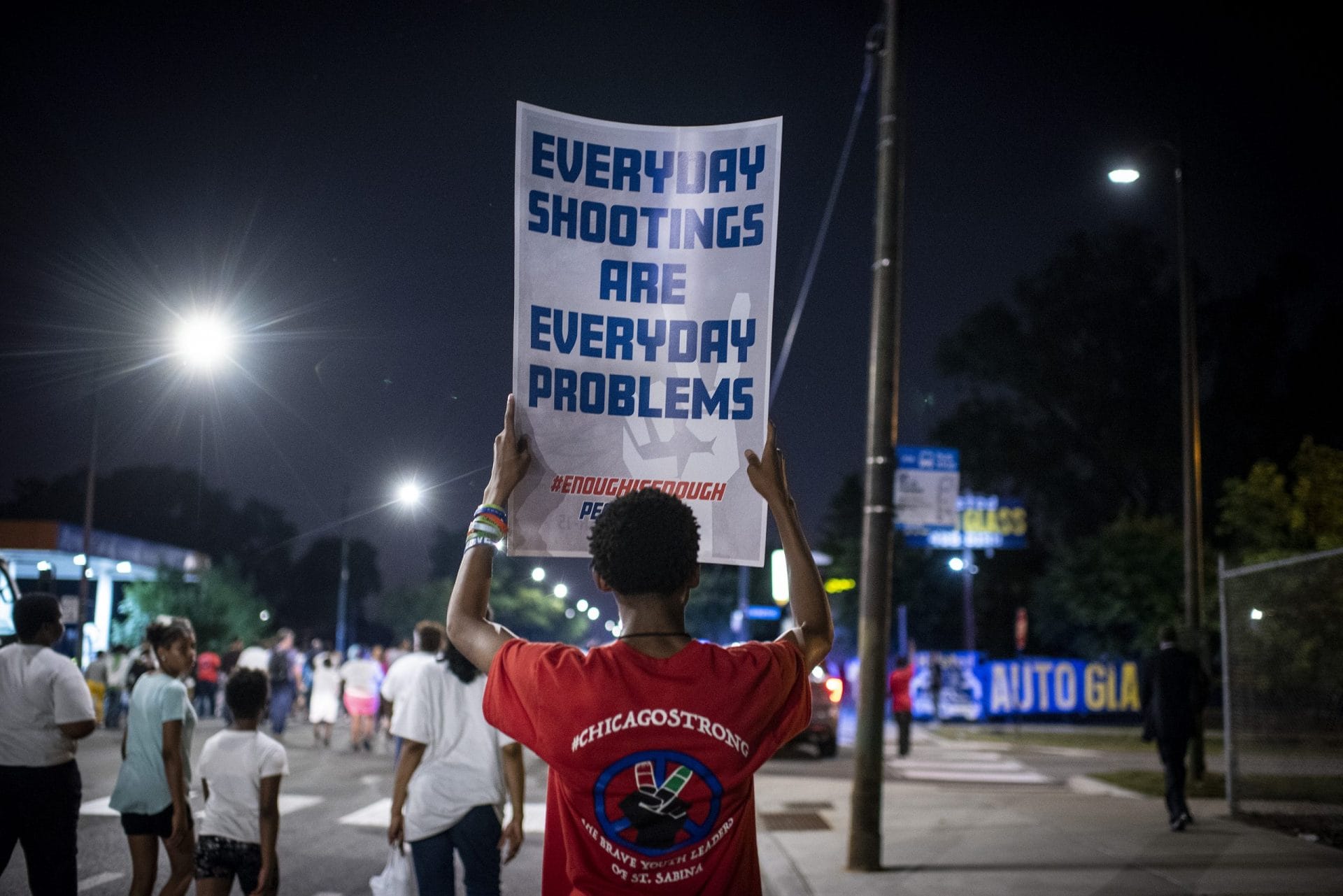
Community violence intervention focuses on reducing the daily homicides and shootings that contribute to our country’s gun violence epidemic. We created Giffords Center for Violence Intervention to champion community-based efforts to save lives and improve public safety.
Read More

