An Interview with Community Violence Intervention Leader Susan Lee
During Asian American and Pacific Islander Heritage Month, we were honored to speak with Susan Lee, the executive director of Scaling CVI for Safer Chicago (SC2).
Community violence is one of the leading drivers of the gun violence epidemic in America. But community violence intervention (CVI)—one of the most effective ways to combat this violence—is often left out of public safety discussions.
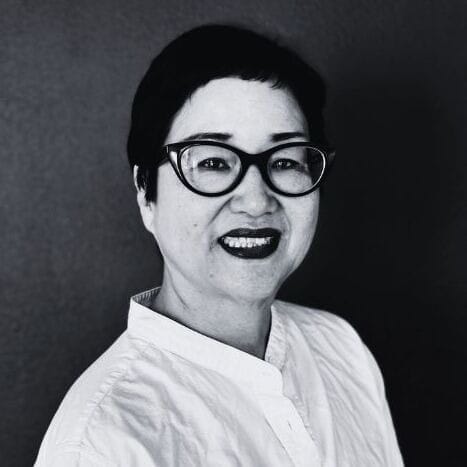
Susan Lee, the executive director of Scaling CVI for Safer Chicago (SC2), has supported the CVI field for decades. In Los Angeles, she co-authored a blueprint for institutionalizing CVI within the city’s public safety infrastructure before going on to lead the Urban Peace Institute.
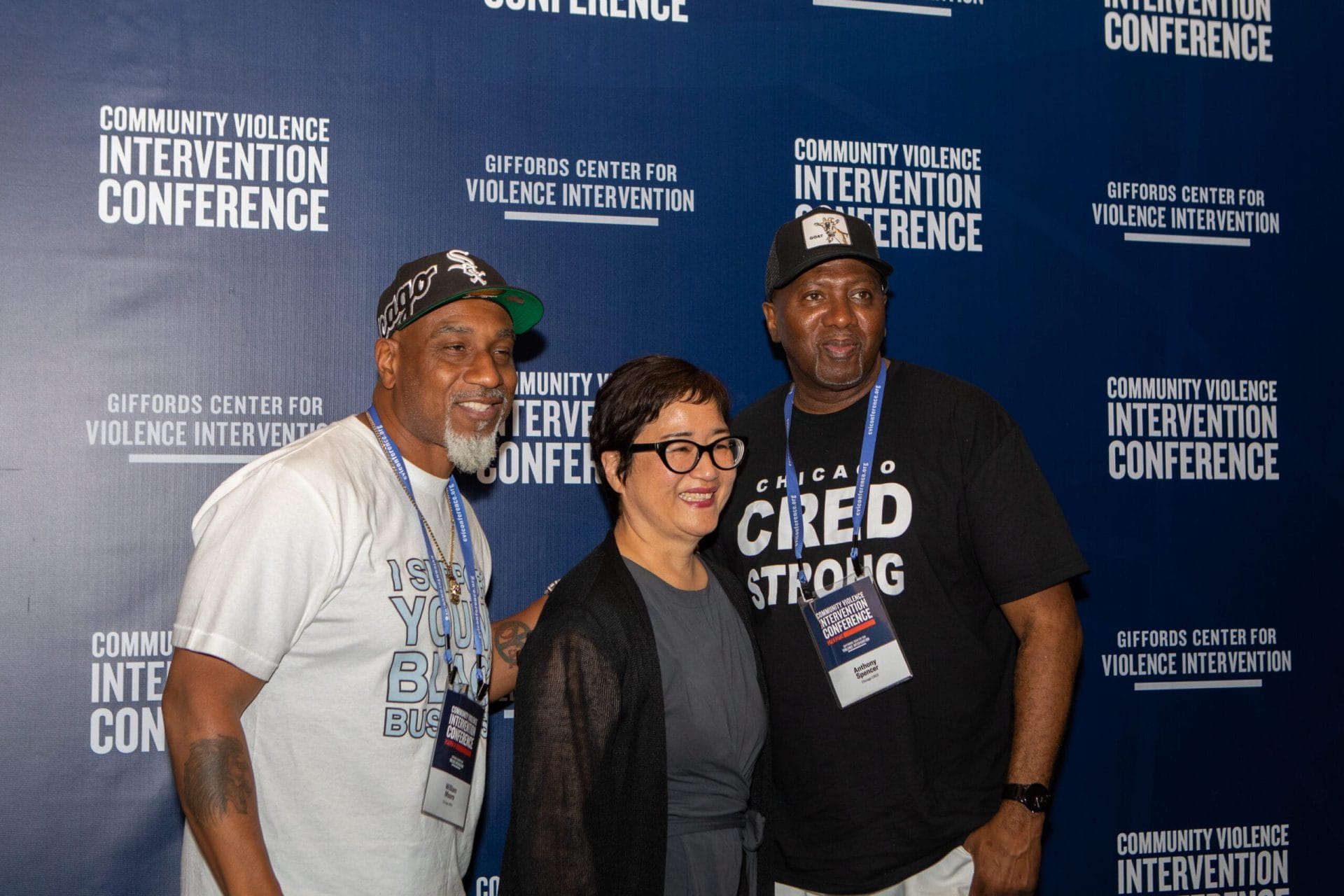
In 2016, she began her work in Chicago to do the same—but in a very different environment. She served as then Mayor Lori Lightfoot’s deputy mayor of public safety, and continues to lend her expertise to Chicago CRED, one of the leading gun violence prevention nonprofits, on its SC2 initiative.
We spoke with Susan about her experiences in CVI, what she’s learned, and what it’s like to often be the only Asian woman in the room.
This interview is edited for length and clarity.
GIFFORDS: What initially drew you to get involved in violence intervention work?
Susan Lee: My entire career has been in social justice, but particularly after the LA riots in 1992, my more international focus shifted to racial injustice in the US. That led me to coalition-building work, immigrants’ rights work, and also direct services. In direct services, I’ve done pretty much the gamut. Mental health, domestic violence, gang intervention, youth development, you name it.
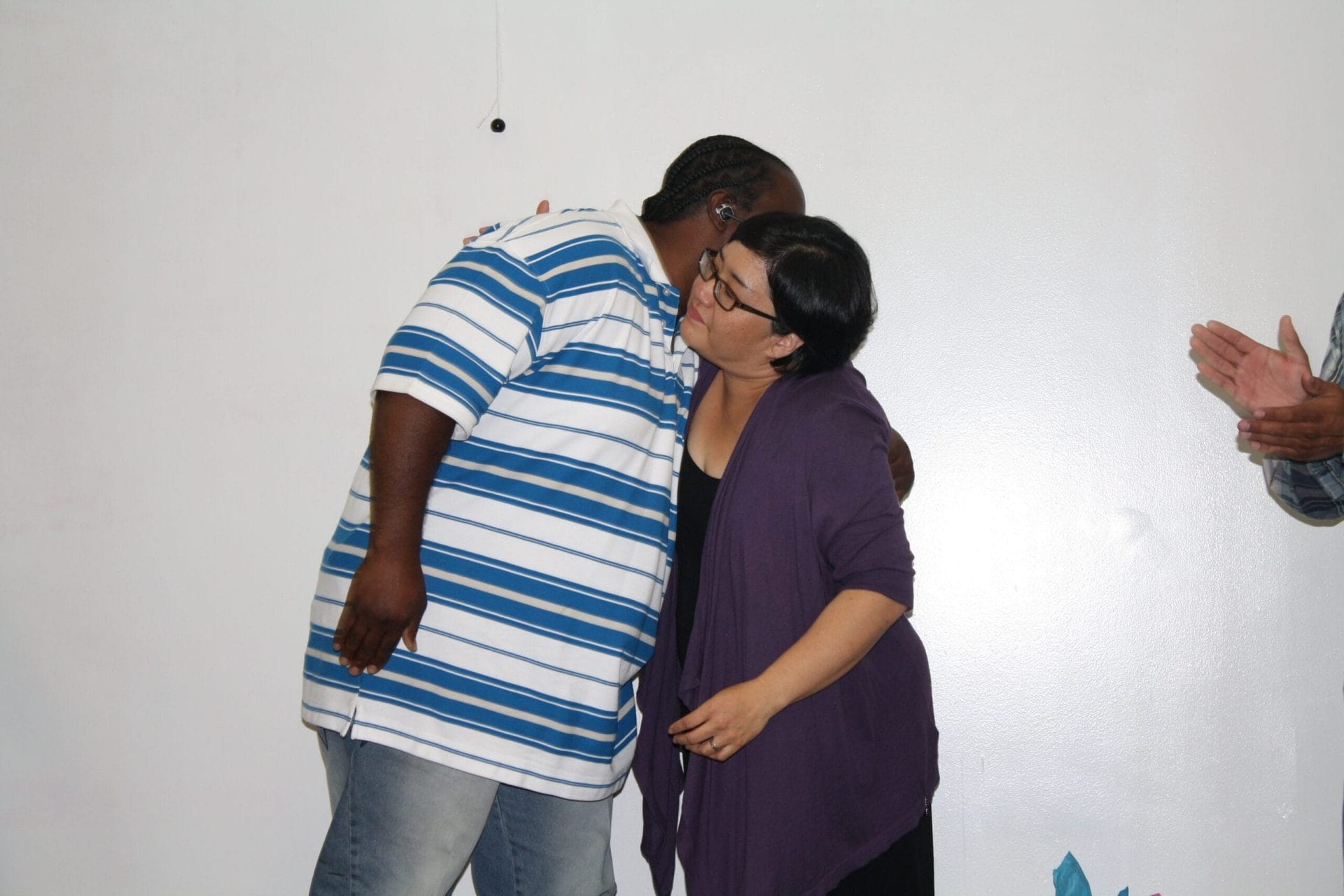
In my position right before I met Connie Rice, who is a civil rights attorney, I was a director of family services at KYCC, Koreatown Youth Community Center. We had a gang intervention program for young people, and one of the guys that we were serving got shot. It was a tough moment—this kid was doing well.
That incident led to a point in my career where, after a good 10 to 15 years in direct service, I realized the one-person-at-a-time approach was not going to change the structures that were really the root cause of the injustice we were seeing. That’s a long way of saying that I was in a kind of professional, personal crisis.
As I was processing this event, I was asked by Connie Rice to come and manage a project for her. She was trying to work with the City of Los Angeles to change how they approached violence. It was deemed a research project, but it was really a political project to assess what the city was doing on gang violence, benchmark some national practices, and develop a blueprint for how the city might move forward.
It seemed like a great opportunity, and I went.
I say it was mostly a political project because it was really about building coalitions and consensus around what we now call CVI, or the idea that a community-based infrastructure for violence reduction was necessary. Law enforcement wasn’t the answer, it needed to be driven by people who have lived experience, and who are adequately resourced to be able to serve those in the thick of violence.
That was in 2006. It was supposed to be a six-month project, but it turned into 11 years.
What was it like going from working in Los Angeles and building this blueprint, or foundation, to Chicago? How was the work similar or different between the cities?
In 2014, Laquan McDonald was murdered by police, and by 2016, news coverage and public attention coincided with a massive spike of violence in Chicago. That year, they had over 760 homicides. Several of my colleagues and others in the Chicago government, as well as philanthropy, asked me to come and see what I could support.
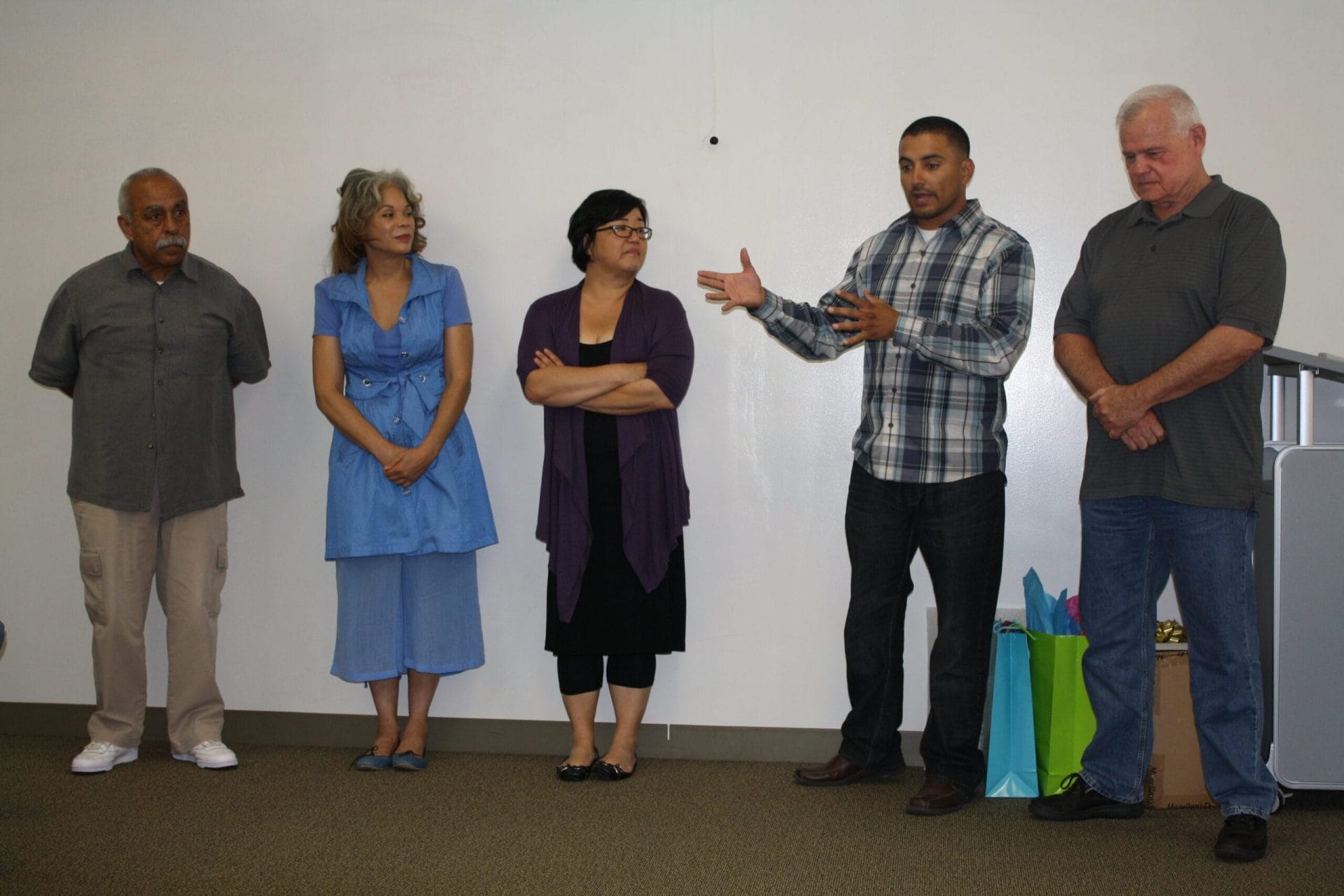
I started going to Chicago in the dead of winter, and in that process, was asked by Arne Duncan, who is the head of Chicago CRED, to come and be part of his team. I worked with Arne standing up programs and citywide strategies for a couple of years, and then in 2019 Mayor-elect Lori Lightfoot asked me to become deputy mayor of public safety, and that’s how I ended up in Chicago.
It was a completely different system in Chicago—a different world, culture-wise, violence dynamic–wise. I had never been to Chicago, so this was me dropping out of the sky into a whole new place, not knowing anybody, and trying to figure out what my role might be. I thought Chicago would be a unique opportunity. They were in crisis, and I tend to run toward the fire rather than away from the fire, so I certainly wanted to contribute to bringing violence down.
The unique thing about Chicago was that they’ve had this level of violence for years and years and years, but had not established a CVI infrastructure. This was 2016, so it was 10 years after LA had set up its infrastructure, but Chicago was still not contemplating it.
Los Angeles’s strategy was to influence government first—change the city government, create the stream of dollars in the city, and then have it be out there to support the city—and there are pros and cons of that approach.
Chicago’s situation was actually philanthropy stepping in and saying, “Hey, we’re gonna invest for a certain amount of years to prove that this works,” and they invested heavily. I think that first year, it was $29 million to two different networks of CVI providers, and I was brought in to manage the distribution of dollars and start up programmatically.
It taught me that there’s no cookie-cutter approach. You have to understand what opportunities are in each place and forge a strategy that makes the most sense for that place.
Why do you think Chicago was resistant to pursuing and funding these community-based solutions for so long?
I don’t know if they were hesitant, because Cure Violence had a stronghold in Chicago. They were a line item in the state budget for a long time.
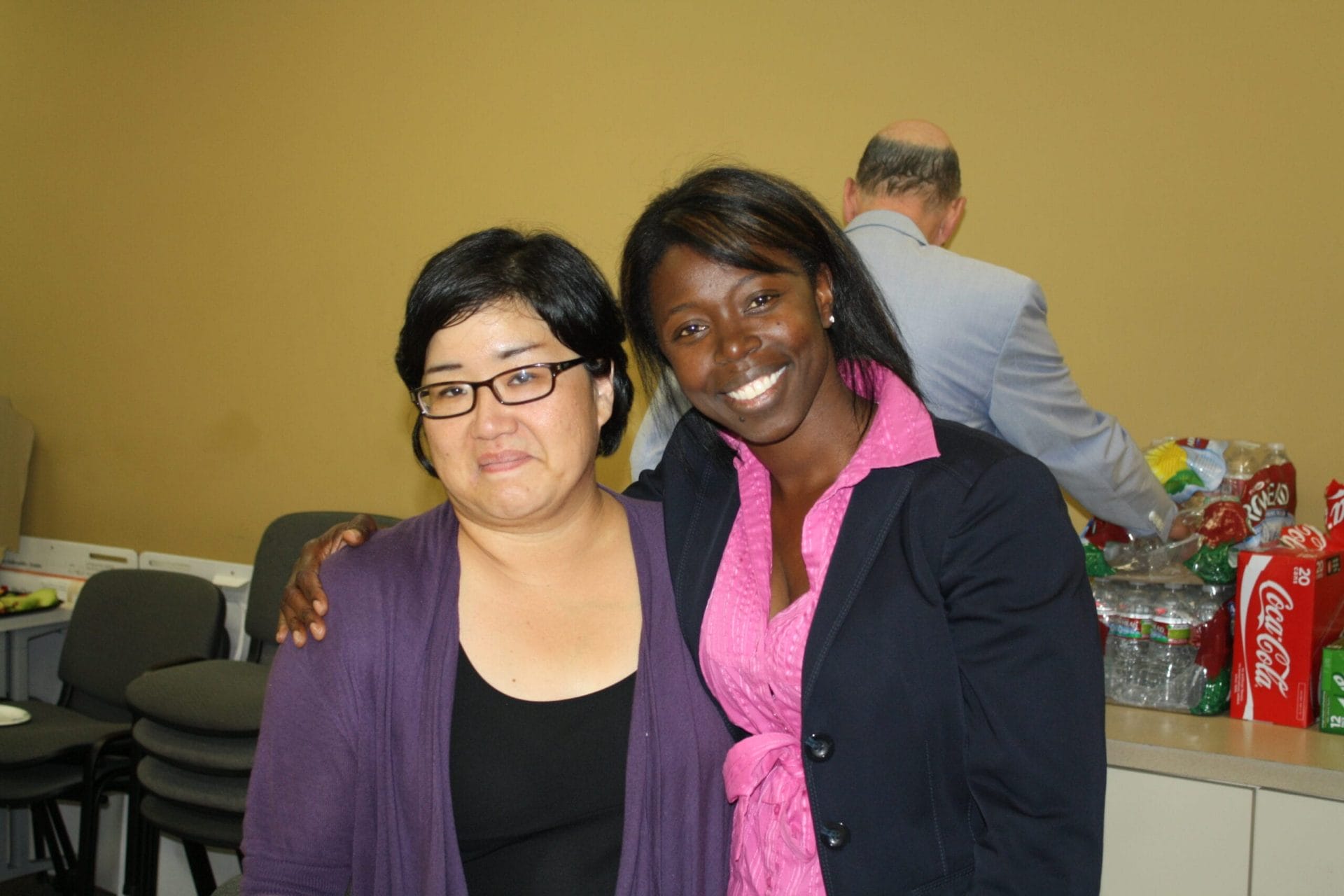
Chicago is a strong mayor city. The successive mayors were mostly pro–law enforcement people, and that’s always been a very strong culture—even though CPD was dismal and is under a consent decree now. The other thing is this very fragmented city council, with 50 councilmembers, making it very hard to forge a citywide system, or even think about it in that way. Chicago also has its culture of, “If you’re not from Chicago, then you don’t know Chicago, and you don’t know what can solve Chicago.”
All of those things play a role, but the most important reason, I think, is because Chicago is very segregated.
The violence was very much concentrated in the south and west side of Chicago, and the people making decisions mostly lived on the north side or were downtown. There was just this sense that violence was an intractable problem that they could not solve. Chicago has a very deep history of racism, racial segregation, and I think that idea that violence is an intractable problem and not their problem, was very dominant in Chicago.
As an Asian American woman leading in the community violence intervention space, how has your background and identity informed the way that you show up and do your work?
It’s a tough thing. Normally I am the only Asian in the room, and most likely the only Asian woman in the room. In the philanthropy space in Chicago, that’s changing, but by and large, my life in CVI, I am like an alien. “Why is she here?” “What the hell does she know about violence?” “How could she know anything about this?” Even after decades of doing the work and knowing it intimately, I still get that response from people.
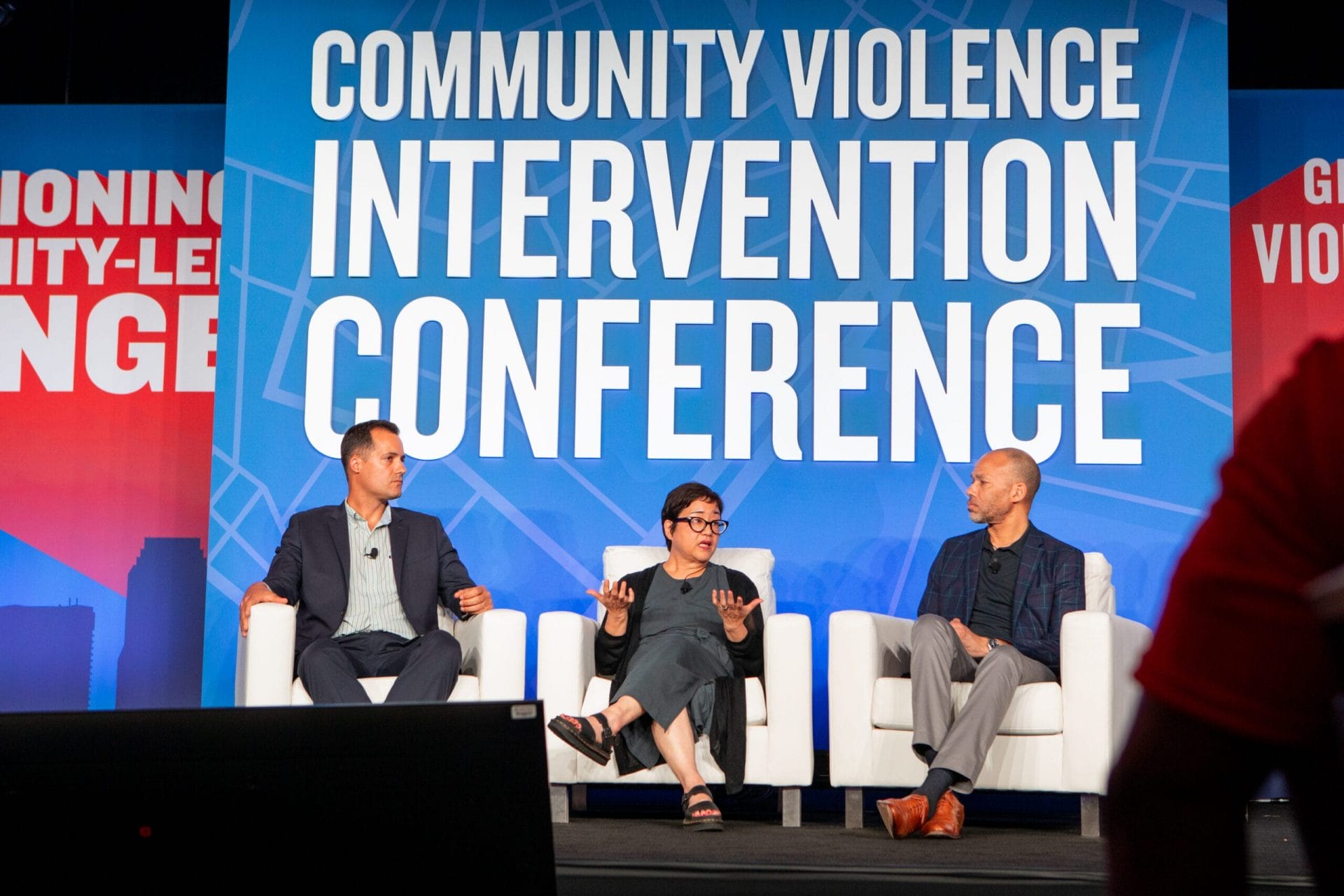
There is a sense of walking in with a lack of legitimacy. You just have to understand that that’s your starting point. It’s never good to just pound your chest and say, “I am an expert!” It’s more by doing over time that people recognize that you have something to contribute.
Even when I was deputy mayor, people were just incredulous that Lori Lightfoot had picked me, because normally this is a position that’s held by a Black man in Chicago.
Another dynamic is that I often try not to elevate myself into the limelight in the CVI leadership world, because I ultimately think this work needs to be led by Black and Brown people, and they haven’t been properly recognized for such a long period of time. It’s been a lot of white men who have been dominant faces in this work. I try to take a step back, particularly in national spaces. I think that creates space for others to lean into becoming a leader.
That’s not to say I don’t have an opinion, that’s not to say I don’t do things behind the scenes to make sure my voice is heard, but in the limelight, public spaces, I try to step back.
Now I’ve been in Chicago a long time, and people understand what my contribution and role has been. Now, I walk into a room, they’re not questioning why I’m there.
Pivoting to more of your day-to-day at Chicago CRED and Scaling CVI for Safer Chicago (SC2), can you tell us about what your work looks like now?
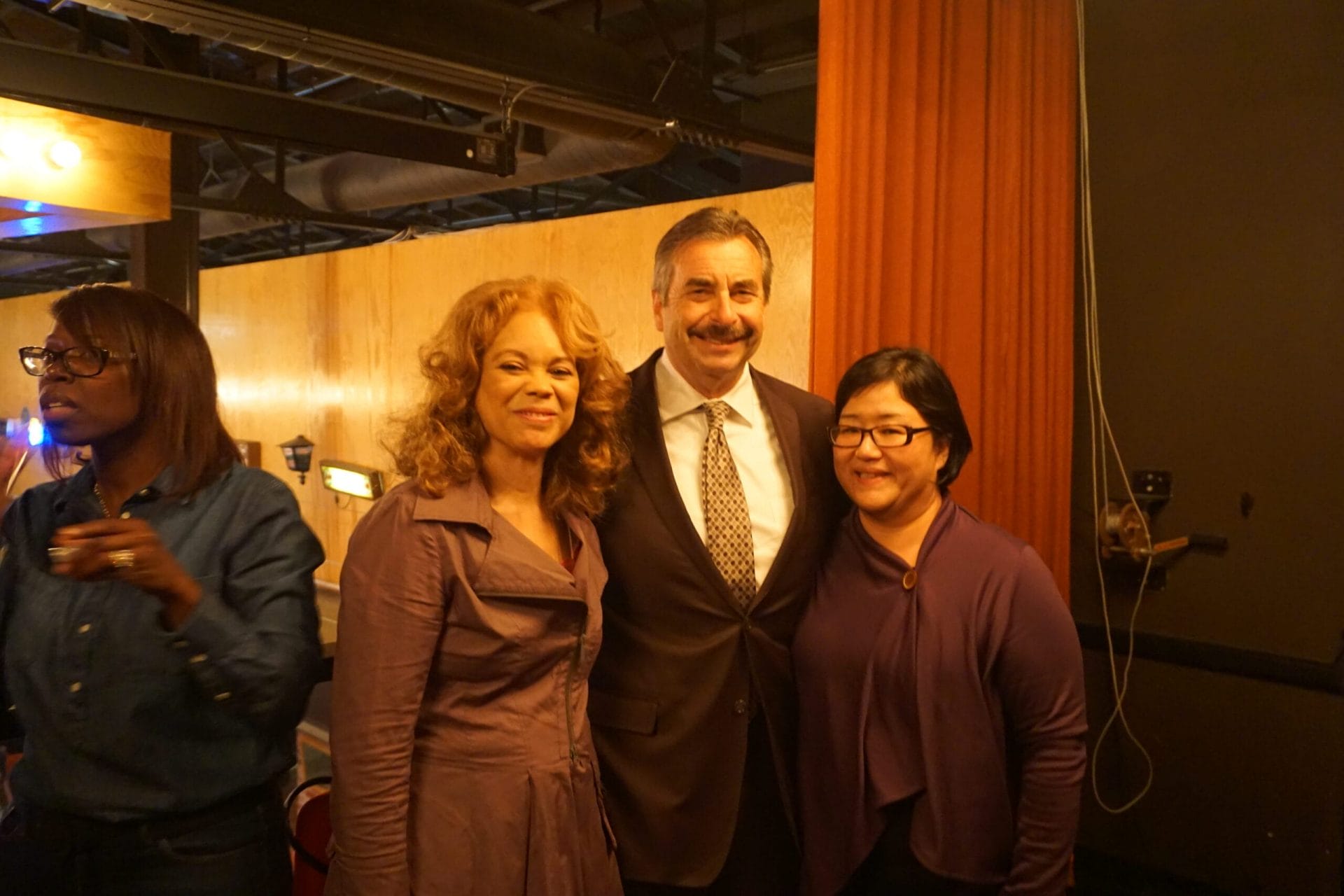
I’ve been at Chicago CRED a long time, basically since 2017, except for those two years when I went over to the mayor’s office. I’ve seen Chicago CRED through its entire growth, which is to say I’ve probably done every job there. I was the head of programs, I was the head of partnership management, I was policy, I was strategy—so my life in Chicago has been singularly motivated to build this infrastructure and system. I’ve used every position I’ve had to achieve that.
I honestly have to say, throughout the 10 years that I’ve been in Chicago, my day-to-day doesn’t look very different, partly because I’m trying to align people across multiple sectors. I talk to business folks, I talk to philanthropy, I talk to people on the ground, I talk to street outreach workers, I talk to leaders of community-based organizations. Everyone has a role to play, whether it’s money, whether it’s policy changes or making improvements on the ground.
How has working across all of these spaces—direct services, philanthropy, nonprofits, city government—influenced your approach? What did you learn from these spaces about the work?
I’ve really benefited from having relationships on the ground. This is why I value my partners in this work, because I think we’re all really committed to the idea that the people who are doing the work on the ground know what is going on. They understand what needs to be done. In terms of the actual center of this CVI work, it’s the people doing the work on the ground.
My experience with actual programs and direct practice on the ground greatly informed how I approached work in philanthropy, and how I did the work as deputy mayor. Those are spaces where a lot of practitioners are sometimes marginalized. People in philanthropy, people in government think they know what the answers are. I think I’ve always brought the perspective that we have to have the practitioners at the table, and we have to work hand-in-hand with them to forge a system or a solution. For me, it’s always about putting the people who do the work at the center.
In addition to May being Asian American and Pacific Islander Heritage Month, it’s also Mental Health Awareness Month—and mental health is an incredibly important part of this work. As someone who works closely with frontline practitioners, how do you think about mental health, both for the communities that Chicago CRED serves and for the people who are doing this work on the front lines?
That’s probably the other evolution I’ve had, that trauma drives violence. It’s certainly true for the people who are in the thick of the violence. If you actually talk to the participants, 90% of the time, it’s about what happened to them. That is why they react the way they react, and why they lack the skills to regulate and react differently to a volatile situation or conflict.
Among the workers, I think a GIFFORDS report actually says that 83% of frontline workers experience a severe level and risk for psychological distress. In the next evolution of CVI, one of the things that I’ve really tried to integrate is the availability of behavioral health services for the participants as a core component of how we define CVI.
It’s a tough thing, because it’s expensive, but there’s ways to do it that don’t have to be so expensive. That access to trauma care, trauma recovery is almost the only way you can get somebody to change a pathway. Relationships are important, and traditional CVI really focuses on that intervention and street outreach work, focused on frontline workers having a good relationship with clients, but to go beyond that, you do need trauma care and trauma recovery.
Ultimately, I think we need exit ramps for workers, because this is hard work, and they can’t keep doing it. Some people get stuck in it because they think that’s the only thing they can do, but we do need to create pathways for them out of the work. Potentially becoming peer counselors, or peer therapists, is one pathway that I’ve been thinking about. Mental health trauma is a big piece of how we have to move forward.
How has your thinking about reducing violence changed or evolved since you first started this work?
The singular goal of reducing violence, homicides, and shootings is still the singular goal, but my thinking has evolved in the sense that I see the CVI infrastructure as much more than that. There is this short- to mid-term impact we’re trying to have by bringing in people with lived experience and trying to target the people who are most vulnerable and at risk of violence.
Particularly, during COVID-19, as the deputy mayor in Chicago, one of the things I learned was that it was really CVI workers who were going to go out and talk to families about COVID. Because those families didn’t trust the government, they didn’t trust anything that was coming out of other public health departments. But the people who they knew and trusted, they were willing to take protective gear from them. They were willing to take an education card. What I saw in that was this linkage that CVI workers provide between the formal structures of support and communities that have become isolated and underserved.
That’s why I’m so focused on system and infrastructure building. In the beginning, maybe it was really about, how do we reduce violence? Now it’s more like, how can we sustain this over a period of time so that we have better safety?
What are your hopes for the future of this work and the field? And how do you stay motivated when it feels like things have stalled? How do you keep yourself going?
I am quite a mission-focused person, so I try to have a longer-term perspective. I realize community violence is not an issue that is going to get solved in my lifetime. I think of this as me running my leg of the relay, and that I’ve got to run it the best way I can, so that whoever comes behind me can benefit and also carry it forward.
It is really tough to have hope during the last couple of years, when you open the news, and everything is so mind-bogglingly crazy and terrible. But I get energy from talking to folks who are practitioners on the ground, because they get up every day and they have to go out there with nothing but a phone and a contact list and make something happen—and somehow they get up every day and go do that.
So I have to take a lesson from the courage of those folks and say, I am going to run my part of the relay well.
Thank you, Susan Lee, for your thoughtful leadership and belief in the power of community violence intervention. Your dedication has helped strengthen the field, elevate practitioners, and support safer communities nationwide. We’re also deeply appreciative of the teams at Scaling CVI for Safer Chicago and Chicago CRED, whose work continues to shape the future of community-led safety efforts across Chicago and beyond.
STAY CONNECTED
Interventions are most effective when they are supported by strong community networks. Sign up for Giffords Center for Violence Intervention’s newsletter to learn more about what’s happening in the field, relevant legislation, and funding opportunities.