Gun Law Trendwatch: Virginia Passes Crucial Gun Safety Laws
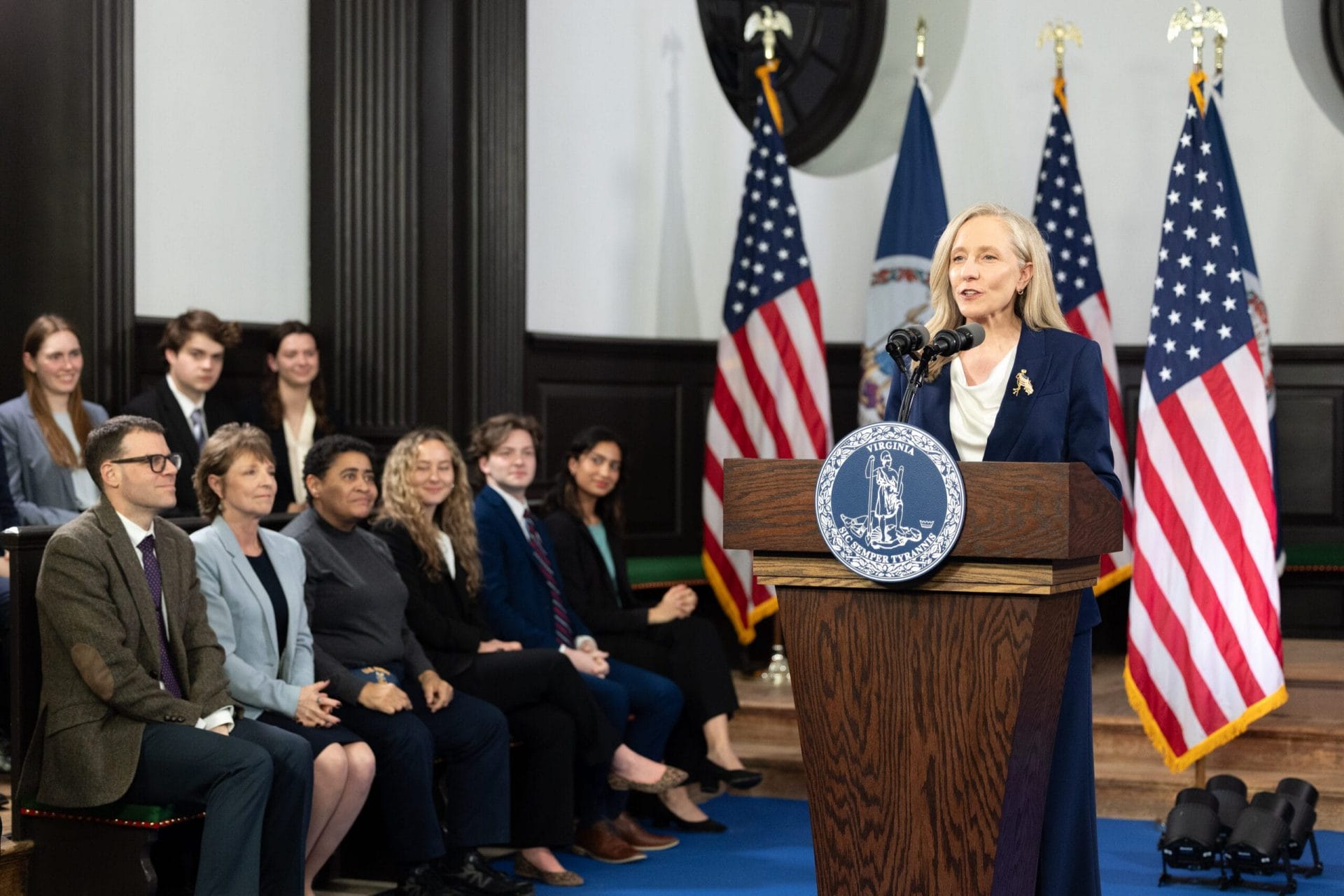
Earlier this month, Virginia Governor Abigail Spanberger signed a slate of gun violence prevention bills into law, marking a major win for gun safety.
These bills will, among other things, ban ghost guns, protect survivors of domestic violence, and help hold the gun industry accountable for wrongful actions. GIFFORDS experts played an important role in helping draft these bills and move them across the finish line, including testifying on a number of bills regarding gun industry accountability, ghost guns, and domestic violence.
Virginia’s previous governor refused to take action to protect residents from gun violence—going so far as to block 30 popular, commonsense gun safety reforms. But after Virginia voters made their priorities clear last fall, Governor Spanberger has stepped into her role as a leader and delivered on her promise to reduce gun crime and create safer communities.
So what exactly are these bills going to do? Let’s take a closer look.
BROWSE
Sections on this page
With the passage of HB 21/SB 27, Virginia became the 11th state to pass a law to allow courts to hold the gun industry accountable for dangerous or harmful conduct.
The gun industry isn’t treated like most businesses in America. Because of a federal law from 2005, the gun industry has exceptional immunity from most civil lawsuits that other industries, like cars or tobacco, are subject to. This means there’s rarely any incentive for the gun industry to prioritize the safety of their products—so they generally don’t, and innocent people die.
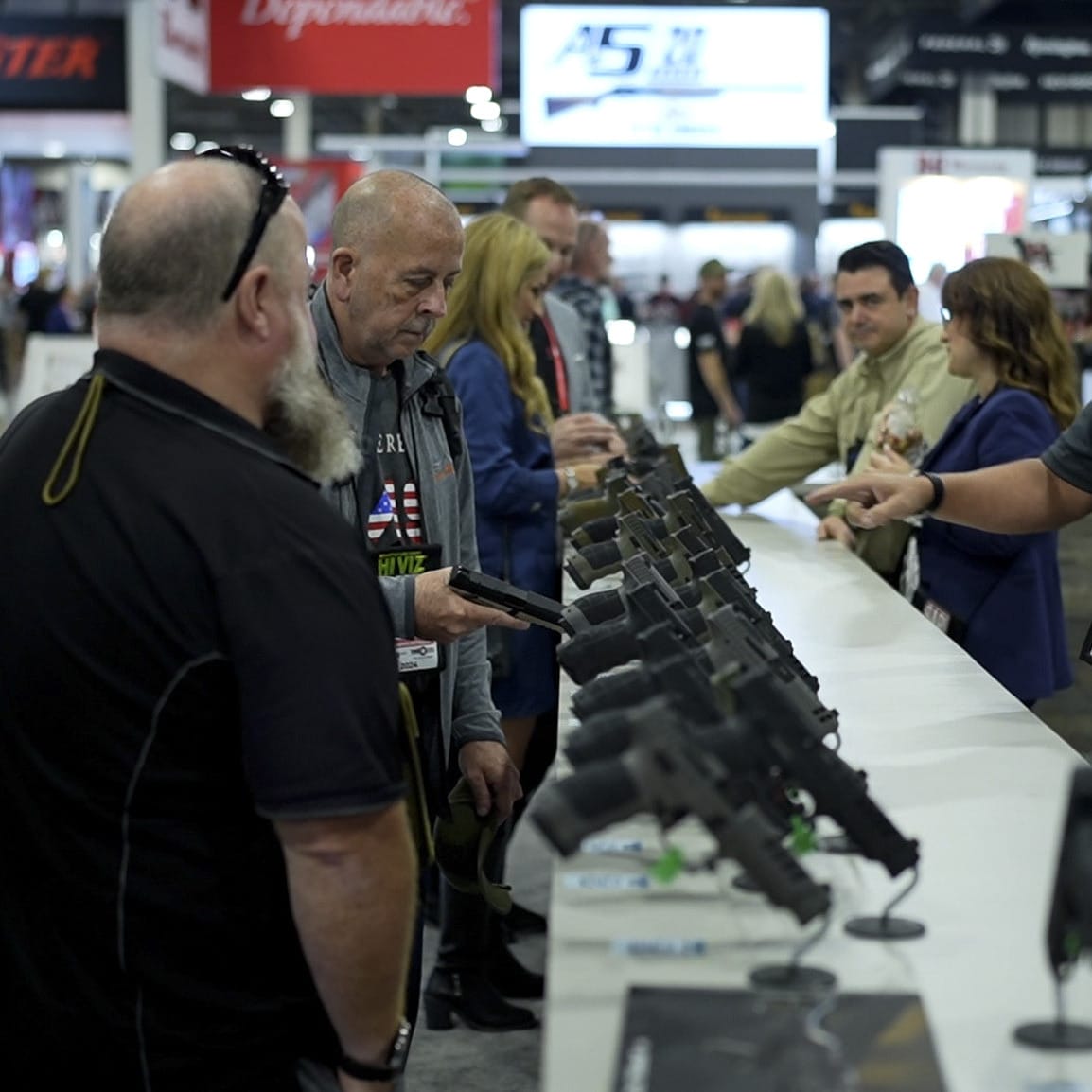
But there is a way to hold the gun industry accountable for irresponsible behavior, like encouraging modifications to weapons to speed up the rate of fire. States can enact laws laying out standards of conduct for the marketing and sale of guns, so when the gun industry breaks these standards, victims and public officials can seek justice and compensation for the harms of their wrongful conduct.
The trend of passing industry accountability laws is recent: New York became the first state to pass one in 2021. But in the short time since, 10 other states have stepped up and added an important layer of protection for their residents—and a crucial check on the gun industry’s unchecked power. Virginia is just the latest.
Ghost guns are one of many ways the gun industry skirts the law to continue to sell dangerous weapons. Often sold as do-it-yourself kits, ghost guns allow anyone—no background check required—to arm themselves with untraceable weapons. And in recent years, they’ve been exploding in popularity.
Because of their lack of regulation, ghost guns tend to be the weapon of choice for criminals. States must pass strong ghost gun laws to stop their proliferation in communities—and that’s what Virginia did with SB 323/HB 40.
This bill requires all firearms to have a unique serial number. It also prohibits selling unfinished firearms unless they fall within the federal definition of a firearm, meaning companies cannot sell them without a background check and without complying with all other federal laws. These unfinished firearms must also be imprinted with a serial number so they can be traced if they are used in a crime.
In many instances of gun violence, family or friends notice warning signs that people close to them are at risk of harming themselves or others. That’s where extreme risk protection orders (ERPOs), also known as red flag laws, come into play. They allow specific people—often families, household members, and law enforcement—to petition courts to temporarily suspend a person’s access to firearms before they commit violence.
Before this session, Virginia only allowed law enforcement or state officials to petition for a Substantial Risk Order (SRO), the commonwealth’s term for an ERPO. But SB 495 expands who can petition for one to include licensed healthcare workers, family and household members, intimate partners, and school administrators. It also expands the factors a court must consider when granting these orders.
But lawmakers didn’t stop there:
- HB 896 establishes a program to help train law enforcement to implement SROs.
- HB 1071 requires threat assessment teams in K–12 education and universities to have substantial training on protective orders.
- HB 1096 requires state law enforcement to establish a reporting system to track and inform the public about the risk orders that have been issued, with protections for the identities of individuals.

The Virginia legislature passed two bills to strengthen protections for survivors of domestic violence this session. The first, SB 160, closed the intimate partner loophole for domestic violence firearm prohibitions—meaning that unmarried dating partners who are convicted of abuse or who have protective orders are now prohibited from keeping and acquiring guns.
The second, SB 38, created firearm relinquishment procedures for individuals convicted of domestic assault and battery, requiring abusers to safely and lawfully transfer their firearms.
Unsecured guns pose a major safety risk, especially for children. The vast majority of guns used in youth suicides, unintentional shootings among children, and school shootings perpetrated by people under 18 are acquired from the home or homes of relatives or friends.
Before this year, Virginia had a limited safe storage law that only applied when someone recklessly left a loaded, unsecured firearm in a manner that would endanger a child under 14. This session, lawmakers passed three bills to strengthen the existing law:
- SB 348 requires anyone who possesses a gun in their home where a minor (anyone under 18)—or someone else who’s prohibited from accessing a gun—to store it in a locked container that’s inaccessible to the people who shouldn’t have it, or secured with a gun lock.
- SB 109 requires school boards to develop policies to notify parents of their responsibility to safely store any firearms present in the house.
- SB 496 requires individuals leaving handguns in unattended vehicles to store the firearms out of plain view in a locked, hard-sided container.
Community violence is one of the most prevalent drivers of the gun violence crisis. That’s where community violence intervention (CVI) and prevention efforts come in—these include community-led strategies that are designed to interrupt the transmission of violence by engaging those at highest risk.
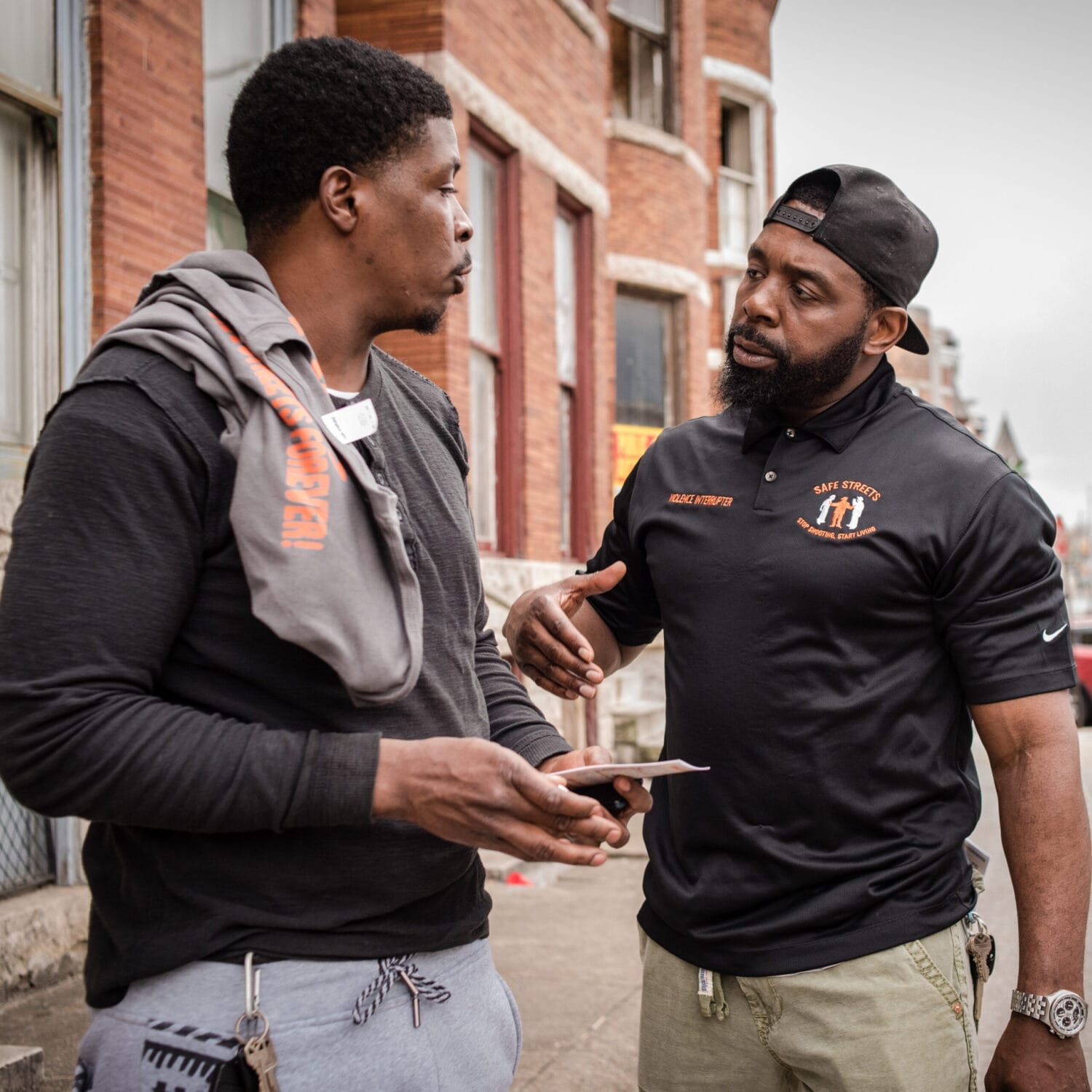
When properly invested in, CVI programs can make a huge difference in levels of violence. You only need to look at recent trends in several major cities with declining homicide rates.
With this in mind, Virginia passed two CVI-related bills this session. HB 1523 helps professionalize the field by defining who a “certified violence prevention professional (VPP)” is and requiring that certified VPPs must receive training and education from an entity approved by the Virginia Board of Health. SB 364 directs the secretary of public safety to convene a work group to develop policy recommendations to establish the Virginia Gun Violence Prevention Center.
In addition to these bills, Virginia’s proposed budget includes tens of millions of dollars to support CVI. The state hasn’t formally passed a budget yet, but typically, state budgets are where the majority of funding for CVI efforts comes from. Our team continues to work in Richmond to ensure that CVI is a top priority for legislators this year.
The presence of guns greatly increases the likelihood of violence, so it stands to reason that restricting guns in certain locations can protect against said violence. All states have at least some restrictions on who, how, and where people can carry guns in public.
This session, Virginia lawmakers passed three bills restricting guns at sensitive locations. Two, SB 272, prohibiting most guns on public college and university campuses, and HB 909, expanding the state’s no firearm zone around polling places to 100 feet, have already been enacted. The third, SB 173, prohibiting guns at hospitals providing mental health and developmental services, is currently on the governor’s desk.
Assault weapons are designed and equipped to shoot large amounts of people very quickly—something that may be useful on the battlefield, but is incredibly dangerous in our communities. The federal assault weapons ban, which resulted in a decrease in the use of assault weapons and large-capacity magazines in crime, expired in 2004. This left states as the last line of defense to keep once-regulated, semiautomatic, military-style weapons out of our communities.
Eleven states and DC have enacted laws broadly restricting assault weapons, and Virginia is set to join this list. SB 749, which bans the sale of assault weapons and large-capacity magazines, is currently on the governor’s desk. SB 727, which prohibits the carrying of assault weapons in most public places, has already been enacted. With these bills, Virginia will be the latest state to regulate these dangerous weapons.
Many of these bills may look familiar; they were passed in multiple previous legislative sessions, only to be vetoed by the last governor of Virginia. However, following the successful election of Governor Spanberger—who ran on enacting commonsense gun legislation—Virginia was finally able to see these bills become law.
And this may not even be the end of gun safety in Virginia this year. Some bills, like one prohibiting guns at certain hospitals and another banning the sale of assault weapons, are still in play and may soon become law.
The successful enactment of these laws is testament to the dedication of Virginia lawmakers to improve public safety and save lives. Virginia is a prime example of turning words into action, and other states would do well to pay attention.

SPOTLIGHT
GUN LAW SCORECARD
Every year, the data is clear: States with strong gun laws have less gun violence. See how your state compares in our annual ranking.
Read MoreThe Latest

GIFFORDS statement on shooting at Bend, OR elementary school

GIFFORDS endorses Xavier Becerra for governor of California
