
Gun Violence & Disability Are Deeply Intertwined
Shootings cause tens of thousands of disabilities each year. But at the same time, disabled people are at greater risk of gun violence.
When we talk about the American gun violence epidemic, our conversations naturally focus on the lives lost. We look at the devastating gun death data—like the 44,447 Americans who died by firearms in 2024—and rightly demand action. But these numbers only tell part of the story.

For every person killed by a gun in the United States, more than two others survive. Many of these survivors are left with life-altering, long-term physical and psychological injuries. Yet, the deep intersection between gun violence and disability is rarely given the spotlight.
Too often, public discussions treat survival as the end of the narrative—a binary outcome where living equals recovery. This oversimplification leaves millions of survivors erased from the gun violence prevention movement, navigating new daily realities of chronic pain, mobility limitations, traumatic brain injuries, and mental health challenges without adequate public awareness or policy support.
And unfortunately, this is a cyclical crisis: Gun violence is both a major driver of acquiring disabilities, and Americans with disabilities face a profoundly disproportionate risk of experiencing gun violence themselves.
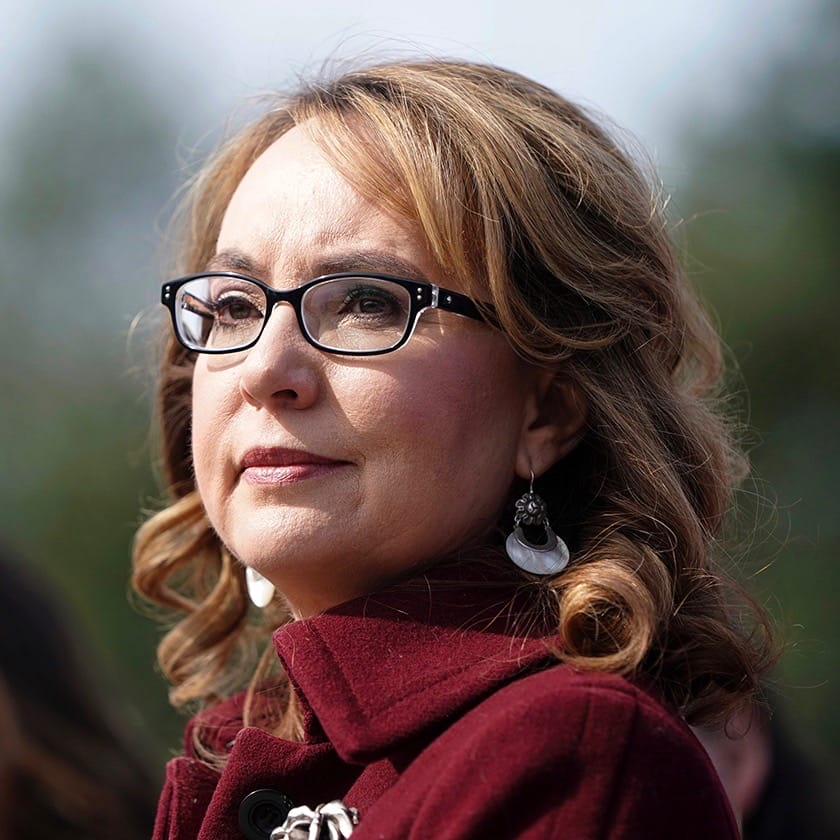
July is Disability Pride Month, where we honor the history, achievements, and diversity of the disability community while raising awareness about the systemic barriers and challenges the community continues to face. It’s an especially meaningful time for GIFFORDS and our founder, former Congresswoman Gabby Giffords. As a result of her shooting in 2011, Gabby has aphasia, a language disorder that makes it difficult to put her thoughts into words. She’s also partially paralyzed on the right side of her body. Her survival was miraculous, but her recovery is ongoing—and it always will be.
This month, it’s critical that we examine the relationship between gun violence and disability, commit to disrupting it through effective policy solutions, and advocate for the supports these communities most need. Disrupting this cycle is an act of justice—one that goes hand-in-hand with honoring, celebrating, and standing proudly beside the disabled community.
While the immediate impact of a gunshot wound is a medical emergency, the long-term reality is often a permanent disability. Every year, tens of thousands of shooting survivors sustain life-altering injuries like traumatic brain injuries, spinal cord damage, nerve conditions, and amputations. These injuries not only take an enormous physical toll, but can interfere with people’s functioning, including their ability to maintain employment, live independently, and complete routine daily tasks.

Studies suggest that roughly half of all people treated for nonfatal firearm injuries in hospitals are discharged with a major to extreme loss of function. Alarmingly, these trends hold true for children and youth survivors as well: Almost 50% of children and young adults who survive a shooting are discharged from the hospital with a resulting functional disability.
The burden of these long-term impairments is staggering. One survey of people who had been shot found that 59% of survivors reported requiring a moderate to extreme amount of ongoing medical treatment just to function daily. More than a third developed severe, lasting cognitive and concentration difficulties, a quarter faced profound challenges maintaining independent living, and more than one in five were left with permanent walking limitations.
The disabling impact of gun violence isn’t just physical—the psychological toll of gun violence can also impact daily functioning. Survivors and witnesses frequently experience severe, chronic psychological conditions, including post-traumatic stress disorder (PTSD), severe anxiety, and clinical depression. In fact, one study found that 69% of gunshot survivors screened positive for high risk of PTSD and 48% screened positive for high risk of depression following hospital discharge.
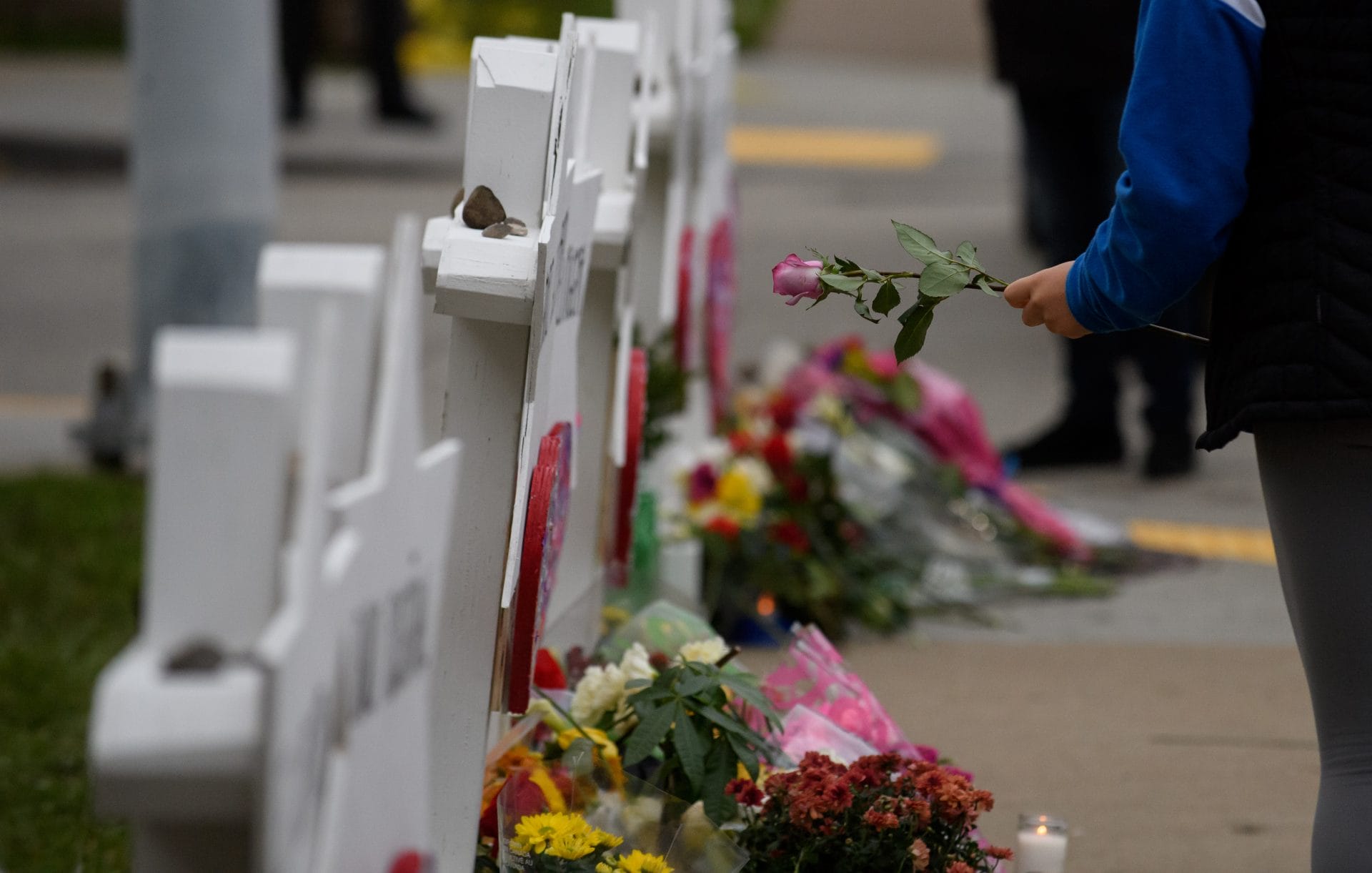
These psychological impacts can create substantial functional limitations, directly interfering with everyday tasks like running errands, focusing on work or school, and managing independent living. One analysis found that 28% of people who were shot reported direct problems in daily functioning—specifically at work, school, or in personal relationships—due to the resulting emotional distress.
The intersection between gun violence and the risk of disabilities also ripples across entire communities. An analysis of multiple US cities demonstrates that neighborhoods with more gun violence experience higher rates of disability overall, suggesting a broader community-wide toll.
The relationship between gun violence and disability is a two-way street. While shootings cause disabilities, people with disabilities—particularly those with mental health conditions, intellectual disabilities, and mobility limitations—are uniquely vulnerable to violent victimization.
According to data from the Bureau of Justice Statistics, people with disabilities are nearly four times more likely to be victims of violent crime than people without disabilities. This heightened risk is compounded by socioeconomic factors. For example, disabled Americans experience poverty at more than double the rate of the general population, which may result in them living in less advantaged neighborhoods with higher rates of community gun violence.
Having a disability can also exacerbate the risk of suicide. People with chronic pain, major illnesses, and cognitive disabilities face elevated rates of suicidal ideation. Research shows that adults with disabilities are significantly more likely to report suicidal thoughts, planning, and attempts—especially for those who need assistance with self-care or daily household tasks.
Research has also shown that women with disabilities experience significantly higher rates of violence from intimate partners and domestic abuse. Fifty-four percent of disabled women have experienced intimate partner violence in their lifetime, and they are twice as likely to experience physical abuse than non-disabled women. For people with disabilities who rely on a partner or caregiver for daily needs like mobility, medication, or personal care, escaping an abusive home is uniquely difficult, a risk compounded when firearms are present.
Building a safer, more equitable future requires a comprehensive strategy—one that protects vulnerable communities today while stopping gun violence from causing preventable disabilities tomorrow. To achieve this, we must advocate for a range of solutions that support survivors and address the root causes of gun violence.
- Strong, Commonsense Gun Laws: Evidence-based policies—such as firearm purchaser licensing, extreme risk protection orders, funding for community violence intervention strategies, and safe storage requirements—have been proven to prevent gun violence before it occurs. And policies that disarm abusive partners and people at risk of suicide may help specifically protect our most vulnerable communities, including people with disabilities.
- Comprehensive Survivor Support: Gun violence survivors must be supported by services that help them access healthcare, long-term physical rehabilitation, mental health services, and financial assistance. Federal and state governments must provide adequate funding for these services to reduce the burden of disability that survivors face.
- A Robust Research Infrastructure: Our nation does a woefully inadequate job of tracking the number of people who are shot and survive. A better research infrastructure to understand the scope and toll of nonfatal gun violence is critical for us to truly understand and address the intersection of gun violence and disability.
True gun violence prevention requires acknowledging the full scope of this epidemic. This Disability Pride Month, let’s honor survivors whose lives have been permanently altered and commit to passing the policies needed to protect and support them.
SPOTLIGHT
GABBY’S STORY
OF COURAGE
In 2011, Congresswoman Gabrielle Giffords was shot in the head while meeting with constituents in Tucson, Arizona. In the face of adversity and opposition, she’s inspired millions to fight for a safer America, one free from gun violence.
Read MoreThe Latest

GIFFORDS statement on shooting at Bend, OR elementary school

GIFFORDS endorses Xavier Becerra for governor of California
