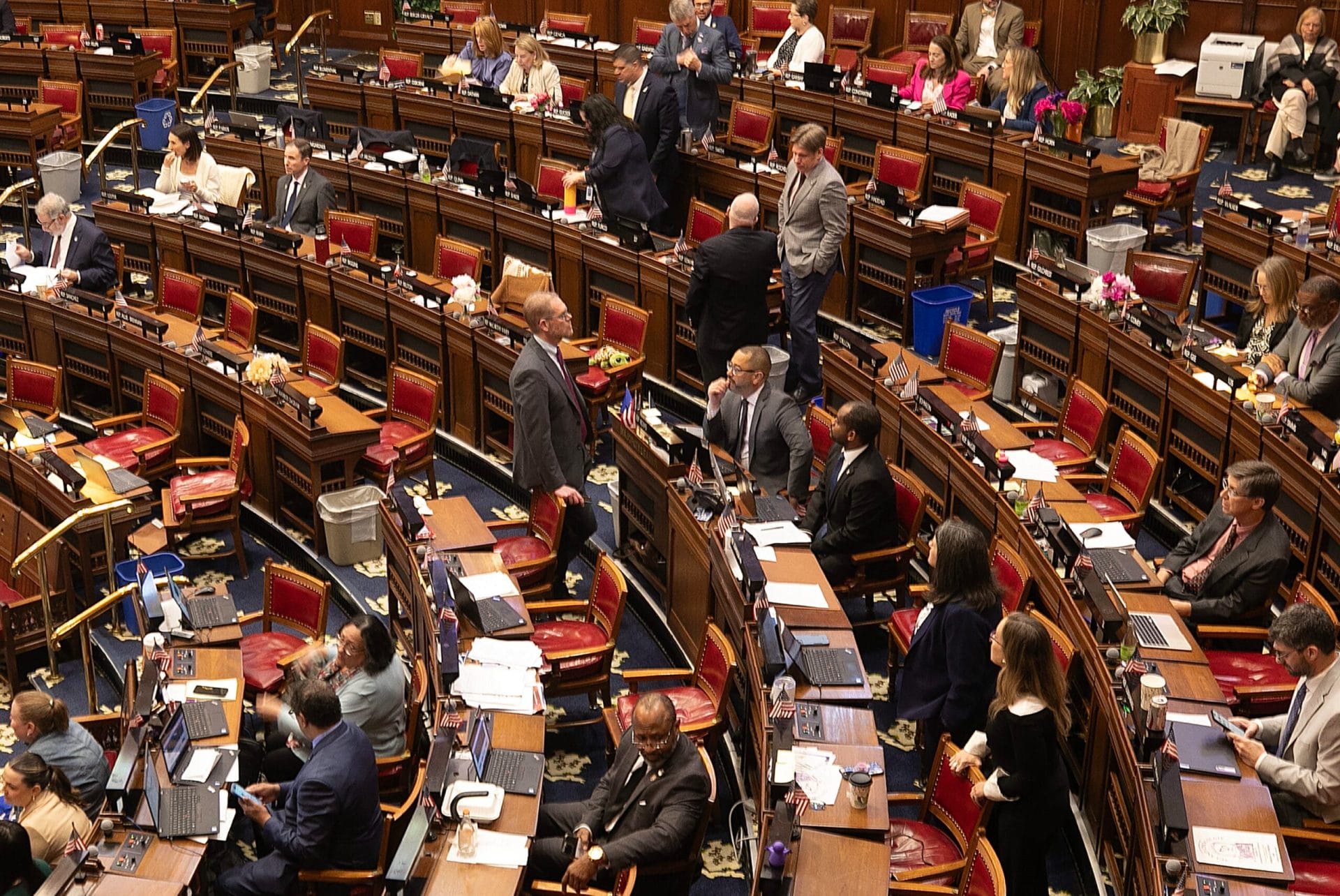
Gun Law Trendwatch: Where States Stand Halfway through 2025
Six months into 2025, more than a dozen states have passed new gun safety laws.
Every year, our attorneys track and analyze the hundreds of gun-related bills that are moving in state legislatures across the country. During session, we publish a regular edition of Gun Law Trendwatch, our publication that follows the latest developments in gun policy, documents key victories, and monitors the gun lobby’s efforts to undermine public safety. You can find our analyses of 2025 gun legislation on our Trendwatch page.

Most state legislatures are in session from January until May, meaning state lawmakers have a limited amount of time to get their bills passed and signed into law. So far this year, states have prioritized passing laws that fund community violence intervention (CVI), hold the gun industry accountable, and protect our democratic institutions from gun violence and intimidation. Colorado has been a standout state, passing one of the most significant new restrictions on semiautomatic firearms this year as well as bills to address armed intimidation near election sites and tackle gaps in gun safety, access, and accountability.
Of course, the gun lobby has continued its efforts to undermine gun violence prevention progress, weakening existing laws and ensuring stronger ones don’t pass. North Carolina passed a concealed carry law, Texas passed a bill that prevents cities and counties from enforcing extreme risk laws, and New Hampshire passed additional protections for the gun industry. But thanks to the unwavering dedication of the gun safety movement, we made sure that North Carolina’s governor vetoed the concealed carry law, Florida didn’t repeal the gun laws it passed in the wake of the Parkland shooting, and Texas didn’t pass a number of dangerous policies.
It’s been a busy year so far, and it’s not over yet. States like California, Michigan, and New Jersey are still in session and are poised to take action on gun safety. We’ll continue monitoring their progress, but in the meantime, here’s a breakdown of what gun-related legislation states have passed in 2025.
Despite the challenging political environment in the aftermath of the 2024 elections, the gun violence prevention movement spent the first six months of 2025 passing a number of critical bills to keep communities safe.
Popular Policy Areas
Community Violence Intervention
This session we saw states across the political spectrum make significant investments in community violence intervention (CVI) programs. For more information on CVI legislation, see GIFFORDS’s Community Violence Intervention Policy Analysis & Tracking Hub (PATH).
- In Texas, the legislature appropriated $2 million for community violence intervention programs, the first time the state has ever funded CVI work. Overall, states have appropriated over $47 million for CVI so far in 2025.
- California passed legislation to improve 2023’s landmark firearms and ammunition tax bill (AB 28), closing a loophole that allowed out-of-state dealers selling to Californians to avoid the tax.
Guns and Democracy
As threats to election workers and voter suppression continue to increase, states are stepping up to protect the democratic process from armed intimidation. So far this year, we’ve seen encouraging momentum behind efforts to limit the presence of guns near election sites and government buildings—a clear acknowledgment that armed intimidation undermines both public safety and civic participation.
- In Colorado, lawmakers passed SB 1225, which was modeled on a novel model law co-authored by GIFFORDS and the Brennan Center for Justice. The law prohibits the concealed carry of firearms near all places where voting or election administration occurs. It also grants individuals a clear civil remedy to combat such intimidation. Colorado is now the second state, after California, to enact this kind of protection.
- Hawaii took important action this year with SB 1030, which makes it a violation of the state’s election fraud statute to openly carry a firearm or other dangerous instrument within 200 feet of a polling place, voter service center, or ballot drop location.
- In Oregon, SB 243 grants local governments new authority to limit concealed carry in publicly owned buildings used for official meetings.
Together, these laws signal growing recognition that armed intimidation is a threat not only to physical safety, but to the foundation of our democracy—and that it’s a threat states can and should act to prevent.
Gun Industry Accountability
The federal Protection of Lawful Commerce in Arms Act (PLCAA), passed by Congress in 2005, grants gun industry members broad immunity from traditional civil lawsuits. However, PLCAA has an exception for state laws related to the sale or marketing of firearms and related products.
- This session, Connecticut became the 10th state since 2021 to enact legislation to expand civil lawsuits against firearm companies for illegal conduct. The bill, HB 7042, imposes a standard of reasonable controls designed to prevent straw firearm purchases and sales to prohibited individuals, or to those who are at substantial risk of using a firearm to harm themself or others.
Firearm Trafficking
States with bills related to firearm trafficking:
- Minnesota enacted HF 2432 to ensure that law enforcement traces crime guns, an essential step to identifying firearm traffickers and stopping crime guns from entering communities.
- In Maine, lawmakers passed LD 1126, prohibiting unserialized firearms, also known as ghost guns. The legislation was passed by both chambers of the legislature; unless it is vetoed by the governor within four days of the legislature’s return to session—either next year or if a special session is convened before then—it will become law.
Dangerous Weapons
States with bills related to hardware, ammunition, and dangerous weapons:
- Continuing a trend across red and blue states, Alabama and Tennessee passed laws banning auto sears, devices designed to convert semiautomatic weapons to rapid-fire weapons—like machine guns. A similar bill that extends to bump stocks and other rapid fire devices sits on the Oregon governor’s desk.
- This session, Rhode Island passed HB 5436, which bans the sale of assault rifles—becoming the 11th state to do so. The ban includes many types of firearms commonly used in mass shootings, such as AR–style rifles.
- Colorado took critical action with the passage of SB 25-3, which bans the manufacture, sale, and transfer of certain semiautomatic firearms starting in 2026, with certain exceptions. The bill also makes a critical update to its machine gun conversion law to be more inclusive of new types of dangerous rapid-fire devices.
Permit to Purchase
States with bills related to gun permits:
- Washington state will now require a permit to purchase before an individual can buy a firearm from a licensed dealer. Permit applications will require a background check with fingerprinting and completion of a certified firearms safety training program. The Washington State Patrol must also revoke the permit of any individual who becomes prohibited after a permit is issued.
Colorado: A Trendsetter in 2025
Colorado emerged as one of the most active and forward-looking states on gun violence prevention in the first half of 2025. In addition to its new legislation restricting semiautomatic firearms and addressing armed intimidation near election sites discussed above, lawmakers also passed a series of innovative bills tackling gaps in firearm safety, access, and accountability.

Colorado
With HB 1098, Colorado is taking meaningful steps to protect survivors of domestic violence by establishing a notification system that alerts individuals when the person subject to their protection order attempts to purchase a firearm. This effort, contingent on available funding, would give survivors potentially lifesaving information in real time.
HB 1133 raises the minimum age to purchase ammunition to 21, bringing ammunition laws in line with many firearm purchase restrictions. The law also requires retailers to store ammunition behind counters or in enclosed displays—commonsense measures aimed at reducing unauthorized access.
SB 34 establishes a voluntary no-buy list, allowing individuals to proactively prevent themselves from purchasing a firearm during periods of personal crisis. Under this bill, the Colorado Bureau of Investigation would maintain a confidential waiver system that lets people opt out of gun purchases, with a 30-day waiting period before the waiver can be revoked.
SB 158 sets new procurement standards for state agencies purchasing firearms, ammunition, and gun accessories. Starting next year, state buyers must choose vendors who meet transparency and accountability requirements, including sharing ATF trace request data, reporting on inspections, thefts, or losses, and disclosing internal policies to prevent illegal sales and diversion.
Finally, HB 1238 imposes new security and oversight requirements for gun shows. Organizers will be required to submit security plans to law enforcement, obtain liability insurance, and restrict unaccompanied minors from attending.
Together, these laws reflect a comprehensive approach to gun violence prevention and affirm Colorado’s place as a national leader in advancing evidence-based solutions to keep communities safe.
HERE TO HELP
Interested in partnering with us to draft, enact, or implement lifesaving gun safety legislation in your community? Our attorneys provide free assistance to lawmakers, public officials, and advocates working toward solutions to the gun violence crisis.
CONTACT US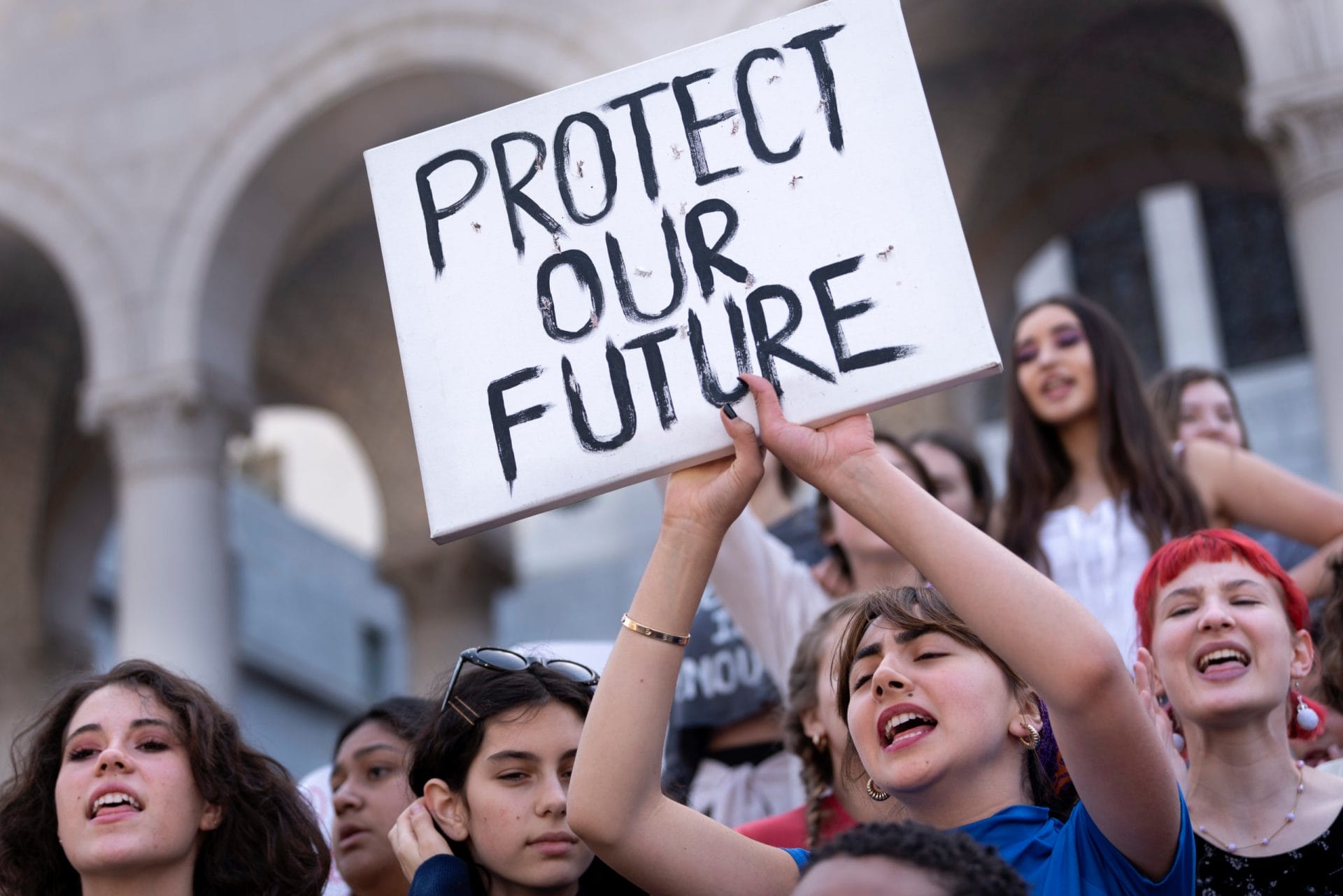
Unfortunately, the gun lobby has advanced—and in some cases, enacted—a number of harmful policies in mostly red states during the first half of the year.
“Anti-ERPO” Laws
Two states, Texas and Montana, passed “Anti-ERPO” legislation. Not only do these laws prohibit local governments like cities and countries from enacting extreme risk protection order laws in their jurisdictions, they also prevent law enforcement agencies from enforcing ERPOs lawfully issued in other states. However, 17 bills, introduced in 9 different states, which attempted to prohibit extreme risk protection orders, or repeal or limit them in states where they already exist, failed to pass this session.
Concealed Carry
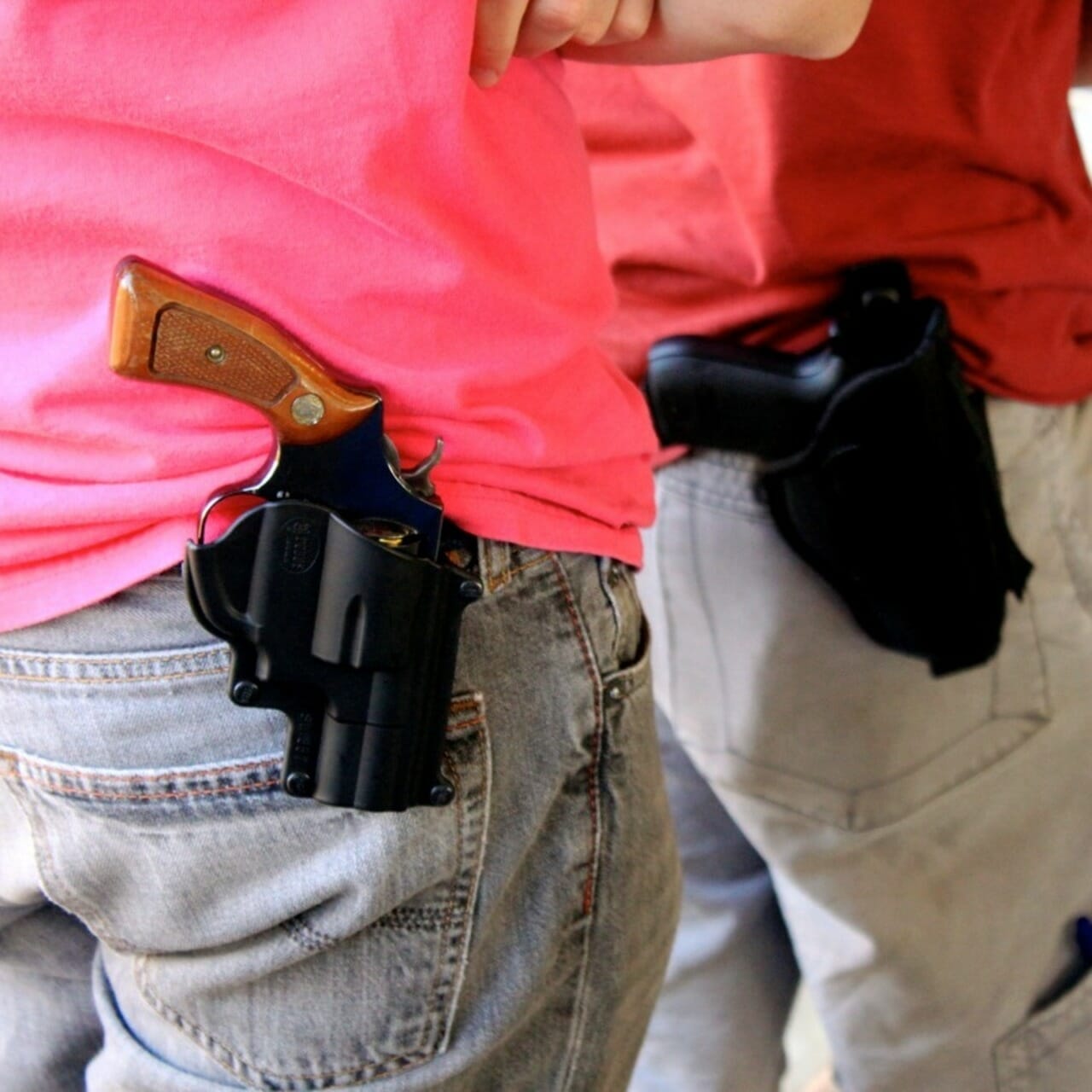
Both houses of the North Carolina legislature passed a bill that would repeal the state’s permit and training requirement to carry a concealed firearm, allowing essentially anyone 18 or older to carry a concealed and loaded handgun in public. Thankfully, Governor Josh Stein vetoed the legislation, and it will not go into effect unless the veto is overridden by the legislature—which may happen if a vote is called without all members present.
Additionally, Tennessee lowered its age to obtain a concealed weapons permit from 21 to 18, and Iowa removed prohibitions on handgun possession for those 18–20, allowing them to carry concealed firearms without a permit. Louisiana eliminated the residency requirement for its permits, allowing individuals who live in any state to obtain a permit.
Protections for the Firearm Industry
Many state legislatures limited how private businesses, like financial institutions and government contractors, can treat members of the firearm industry. West Virginia, Oklahoma, and Arkansas all passed laws prohibiting government entities from contracting with businesses that choose not to do business with companies that profit from the sale of firearms. South Dakota and Arkansas both outlawed the use of merchant category codes for the firearm industry, which are used to identify gun purchases made with credit cards, and can be used to discover and investigate illegal trafficking.
A number of states also acted to provide additional immunity to gun industry members, beyond what they already enjoy under PLCAA. Montana, Louisiana, New Hampshire, and West Virginia all passed laws to prevent victims of gun violence and their families from suing companies like firearms manufacturers and distributors to hold them accountable for failing to take reasonable measures to prevent harm caused by their products.
While the gun lobby had some successes this legislative session, GIFFORDS, our partners, state coalitions, and grassroots advocates helped prevent the passage of legislation which would have increased gun violence in states across the country.
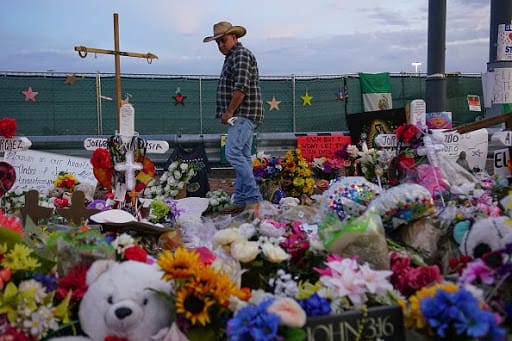
In Arizona, Governor Katie Hobbs vetoed bills passed by the legislature that would have allowed concealed carrying of firearms on campus and legalized silencers. Additionally, a bill that would have funded and incentivized arming teachers and school employees died in the senate after passing the house.
Advocates, including GIFFORDS Texas, were successful in blocking a number of dangerous bills from passing out of the legislature in Texas. Two bills, HB 1128 and HB 1794, would have allowed election judges and concealed weapons permit holders, respectively, to carry firearms at polling places and early voting sites. HB 2470 would have lowered the age to open and conceal carry firearms in the state from 21 to 18. Finally, HB 2771 would have restored firearm rights to those with broad categories of felony convictions.
In Florida, Governor Ron DeSantis and the gun lobby tried to dismantle the commonsense gun safety laws enacted after the tragic Parkland shooting. This included efforts to enact a dangerous open carry law, to lower the age at which a person can purchase most firearms from 21 to 18, to significantly weaken the state’s waiting period, and to eliminate the Florida “red flag law.” The gun lobby was unable to achieve any of these goals; none of the bills passed both chambers of the legislature.
Our experts track the latest information on gun legislation across America to help lawmakers and advocates monitor what’s going on in their state and inform efforts to pass gun safety laws—or to fight back against gun lobby bills. We’ve been working on the ground in states across the country to protect gun safety, and we’ve seen a number of big victories for our movement. More than a dozen states have enacted new laws to keep their communities safe.
But we’re not done yet. The gun lobby isn’t slowing down its efforts, and neither are we. We’ll stay closely involved with our partners in states still in session, help set up big wins for next year, and continue to fight for the commonsense laws that save lives. You’ll hear from us again at the end of the year with our full Trendwatch roundup of 2025’s state legislative trends.


JOIN THE FIGHT
Over 40,000 Americans lose their lives to gun violence every year. Giffords Law Center is leading the fight to save lives by championing gun safety policies and holding the gun lobby accountable. Will you join us?