Trump’s Cuts to Medicaid Will Increase Gun Violence
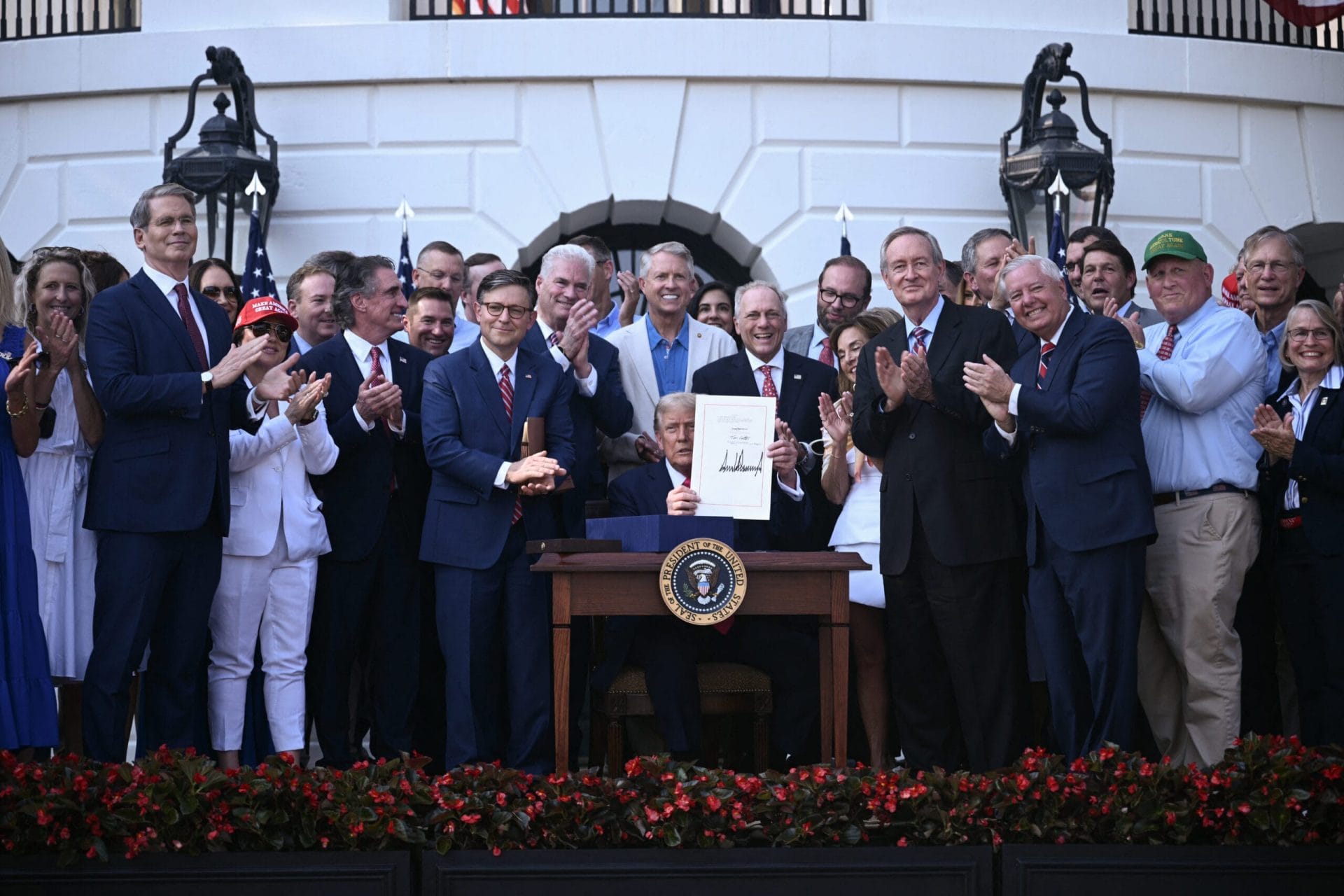
Last week, Republicans in Congress passed the so-called “One Big Beautiful Bill,” a government tax and spending package that features President Trump’s top legislative priorities.
The 300+ page bill covers a lot of ground—and one major component is that it removed safeguards that kept silencers and short-barreled firearms from falling into the wrong hands.
But this isn’t the only part of the Big Beautiful Bill (BBB) that will make communities more vulnerable to gun violence. A key centerpiece of the legislation was massive cuts to both Medicaid and the Supplemental Nutrition Assistance Program (SNAP), which provides food benefits to low-income families. These cuts will undoubtedly make it harder to access both of these programs—but they will also impact gun violence rates in communities across the country.
Access to Healthcare Has Improved Public Safety

Since the passage of the Affordable Care Act in 2010, an estimated 20 million people across 41 states have gained access to health insurance through expanded Medicaid eligibility. This access has vastly reduced the number of uninsured people in the US and has helped facilitate access to care, improve health outcomes, and provide financial protection from medical debt for those enrolled in the program.
But research suggests that Medicaid expansion has also reduced crime and gun violence. States that have expanded Medicaid benefits experience lower firearm homicide rates and see fewer individuals die from firearm injuries. In fact, in states that expanded Medicaid, there was a significant reduction of in-hospital deaths from firearm injuries. Medicaid expansion also helped reduce healthcare costs for patients injured by firearms.
Additionally, states that expanded Medicaid eligibility experienced lower rates of overall suicide and overall homicide, as well as reductions in various types of crime—including violent crime. The safety net of Medicaid and other benefits creates an environment with less economic insecurity and desperation, which is a major contributor to crime and violence, both against others and against oneself.
In other words, Medicaid expansion has made Americans safer from gun violence.
But by making it harder to access Medicaid benefits, Republicans will stymie the reductions in gun violence, violent death, and crime that we saw due to Medicaid expansion. Already, states that made it harder to access Medicaid have seen increases in violent crime. When Tennessee disenrolled residents from Medicaid, the state’s violent crime rate increased almost immediately.
In addition to cutting access to Medicaid, this bill may also result in service reductions in—or even closures of—hospitals. Hospitals in rural areas rely in large part on reimbursements made from state and federal health insurance programs. These new changes to Medicaid will make it harder to seek payment, thus endangering hospital operations—and in turn, worsening firearm mortality outcomes.
The potential service cuts or closures of hospitals may result in more deaths from firearm injuries. The time between getting shot and receiving care is crucial to accessing livesaving care. When gunshot victims are further away from trauma centers, they are more likely to die from their injury. Closing hospitals or reducing services could increase travel times to trauma centers, particularly in rural areas, resulting in increased risk for a more serious or even fatal outcome.
Food Insecurity Can Increase Gun Deaths
The SNAP program feeds an estimated 42 million Americans each month, including nearly 17 million children, helping to alleviate food insecurity across the country. Limited access to food has been linked to increases in gun violence: For example, neighborhoods with high levels of food insecurity were more likely to experience high rates of gun injuries. In communities across the US, food insecurity has been linked to an increase in firearm homicides.
The cuts in the BBB will only worsen food insecurity. States that have recognized how reducing food insecurity can decrease gun violence have already taken steps to expand SNAP eligibility. Those that succeeded and made it easier to access SNAP saw a roughly one-third reduction in firearm suicide deaths compared to states that did not expand access. There’s no question—cuts to programs that provide food to millions of families will exacerbate food insecurity and the risk for gun violence.
Gun violence remains a major crisis in America. These provisions in the BBB—which was passed with only Republican support in both the House and Senate—will only make our communities less safe.
The planned cuts to Medicaid and SNAP will hurt the poorest Americans the hardest. They will worsen their access to healthcare and food. They will compound the links between gun violence and poverty. And they will cost lives.
This bill, and the changes to these programs, is just another step in Trump and the gun lobby’s agenda to undo existing safeguards and heighten the gun violence epidemic—and our communities will suffer the deadly consequences.
GET THE FACTS
Gun violence is a complex problem, and while there’s no one-size-fits-all solution, we must act. Our reports bring you the latest cutting-edge research and analysis about strategies to end our country’s gun violence crisis at every level.
Learn More

SPOTLIGHT
GUN VIOLENCE STATISTICS
Explore facts, figures, and original analysis compiled by our experts. To end our gun violence crisis, we need to better understand where, how, and why violence occurs.
Learn More