As Usual, Trump Avoids America’s Gun Violence Crisis
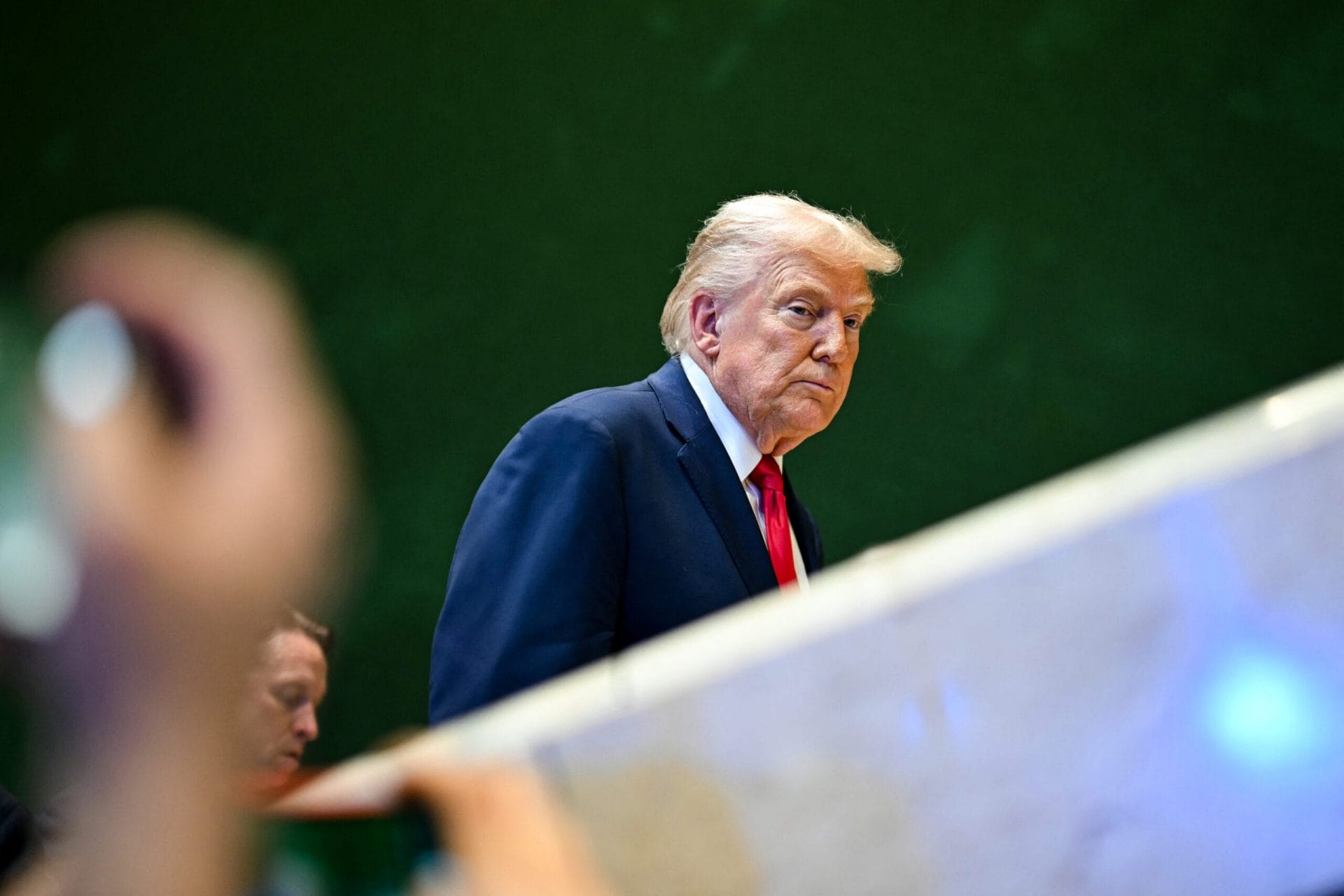
Trump is delivering his State of the Union tonight. Here’s what we know he won’t bring up.
We’re more than one year into Trump’s second presidency, and as expected, things are not looking good.
We could focus on how he oversaw the longest government shutdown in US history. Or the way his actions led to months of economic turmoil and rising prices. Or the violent and indiscriminate immigration operations he’s hiding behind, pretending to be strong on crime while ignoring the facts and sowing terror throughout communities.
But today, we want to focus on what Trump has done—or rather, not done—to address gun violence in America.
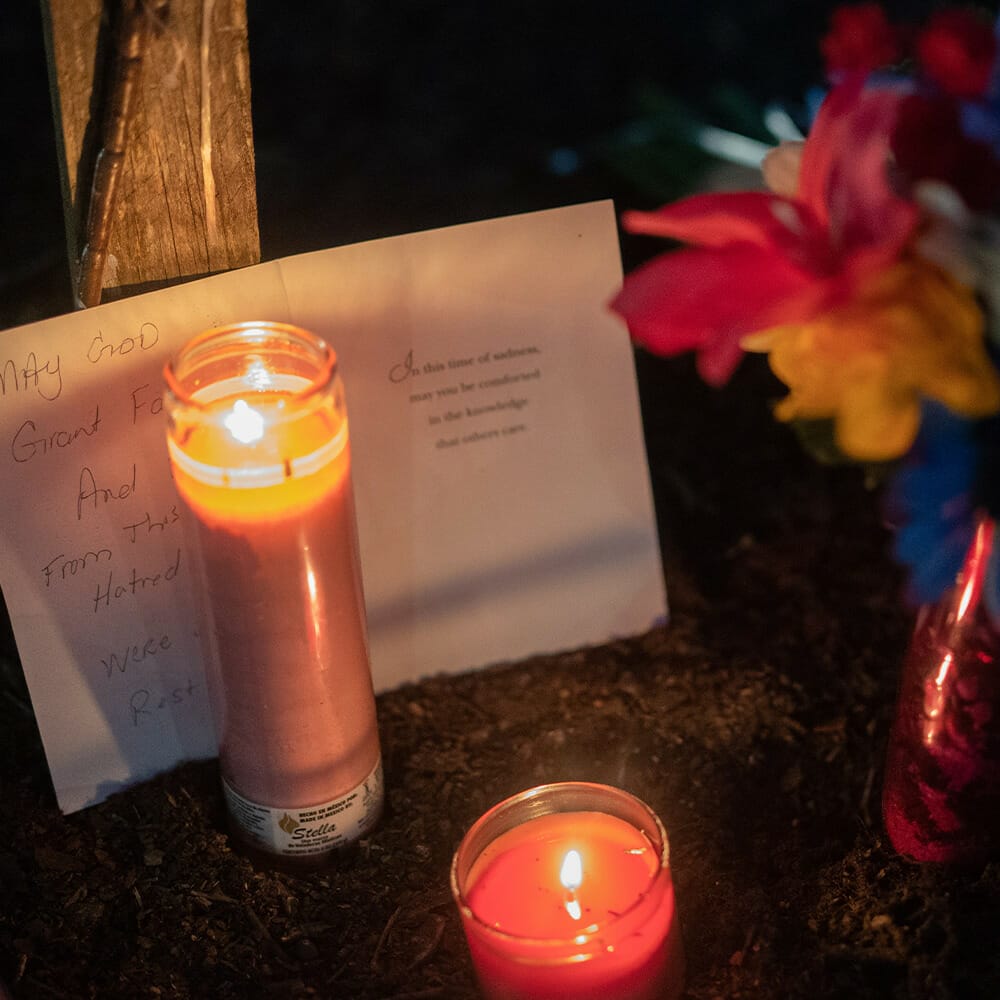
Quick refresher: Gun violence is the number one cause of death for children and teens in the United States. Every year, 46,000 people die from gun violence. In 2024, one person died from gun violence every 12 minutes. It’s a public health epidemic, and it’s at the top of voters’ minds.
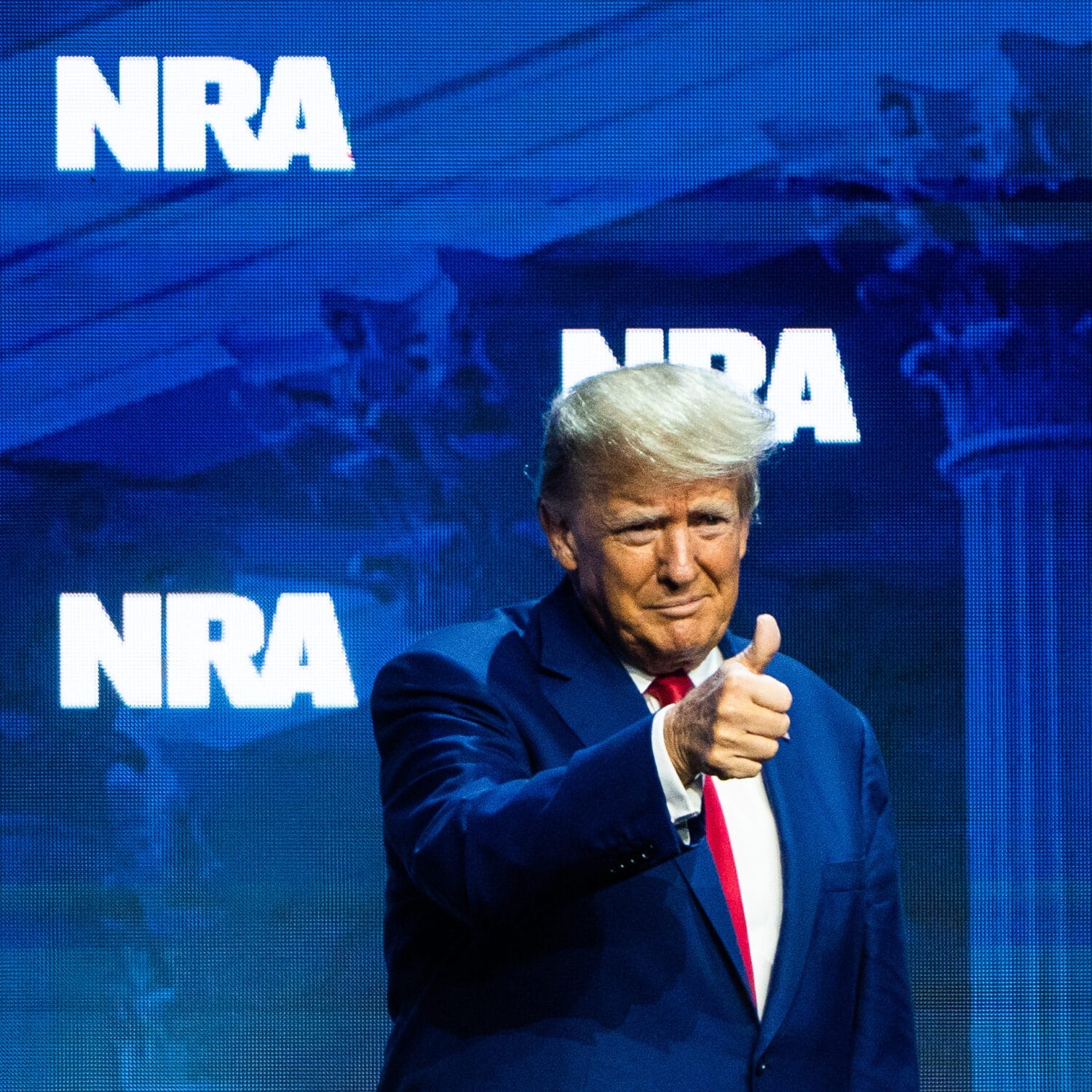
Yet Trump’s actions since he moved back into the White House have only fueled gun violence, weakened existing gun safety measures, and crippled the structures that help inform our solutions to this crisis. All to line the pockets of his gun industry CEO campaign donors.
Trump is delivering his State of the Union address tonight. In line with his actions so far, we do not expect him to address the dangers of gun violence or the lives it takes every day—while simultaneously claiming he’s making America safer than it’s ever been.
So, since Trump won’t be talking about it, we thought we’d do it for him. Here are just a few of the actions Trump has taken in response to gun violence. Take a look at our full list to see just how much damage he’s done.
Almost immediately into Trump’s new term, the White House Office of Gun Violence Prevention was removed from the White House webpage. It hasn’t operated since Trump took office.
While the office operated, it helped coordinate federal response efforts to mass shootings and community gun violence, worked directly with state and local partners to help reduce gun violence, and helped implement the Bipartisan Safer Communities Act and executive actions on gun safety. The creation of this office by President Biden was a huge win for the gun violence prevention movement, which spent years pushing for federal resources to fight this crisis.
Community violence intervention (CVI) consists of community-led, evidence-based programs that intervene and stop cycles of violence before they happen. In 2022, Congress established—for the first time—a dedicated grant program within the Department of Justice specifically to support CVI efforts. The Community Violence Intervention and Prevention Initiative (CVIPI) was initially a $50 million annual investment over five years that was focused on preventing and reducing violent crime in communities by supporting comprehensive, evidence-informed community violence intervention and prevention programs through direct investment and capacity building support.

But now, Trump’s Department of Justice eliminated federal funding for CVI as we know it. In a major shift, CVIPI grants for Fiscal Year 2025 have been capped at $34.6 million, and are closely tied to support for law enforcement—with no pathway for community-based organizations to be awarded funds outside of being subrecipients of government agencies, which comes with strict parameters.
This follows Trump’s abrupt cancellation of millions of dollars of grants to local gun violence prevention and crime reduction programs, as well as domestic violence assistance programs and drug addiction intervention programs.
Brave intervention workers help bring down violent crime rates and ensure more young people make it home safe each night, and law enforcement benefits greatly when these efforts are part of a coordinated, comprehensive strategy. Community violence intervention has nothing to do with politics, and everything to do with the hard work of stopping community violence before it escalates and people get killed. There is no valid justification for cutting off lifesaving services.
Taking federal law enforcement off the job makes crimes harder to solve and lets criminals off the hook. Yet CNN reported that the ATF—the primary agency in charge of enforcing our nation’s gun laws—has transferred a significant number of special agents to immigration cases. Due to job reductions and retirements, the ATF has lost one in every seven firearms license investigators. These reassignments are already shifting resources away from serious gun crimes and dangerous weapons dealers: For the first four and half months of 2025, the ATF did not revoke a single gun dealer’s license.
In other words? Trump is using federal agents to advance his appalling personal agenda and making it easier for criminals and traffickers to get their hands on guns.
The ATF isn’t the only agency affected. About 3,000 FBI agents have been reassigned from their duties related to cybercrimes, drug trafficking, terrorism, counterintelligence, and more to immigration enforcement—nearly a quarter of the FBI’s total agents across the country. The data, obtained by Senator Mark Warner of Virginia, only represents the number of agents working on immigration at least 50% of their time; the amount of FBI resources devoted to immigration is likely much higher.
On May 16, the Trump administration agreed to a settlement that requires the Department of Justice to “not enforce the machine gun ban against any device that functions like a forced reset trigger.” Forced reset triggers (FRTs) are designed to drastically increase a firearm’s rate of fire by mechanically resetting the trigger after each shot instead of relying on the shooter’s release. The result is a firing rate nearly identical to a machine gun.
With this settlement, Trump once again proved that he cares about gun lobby profits over American lives. Unless Congress or state legislatures take action, gun manufacturers may even start pre-installing FRTs at the point of sale. Now, across most of the country, there is little to prevent the proliferation of what are effectively machine guns.
GET THE FACTS
Gun violence is a complex problem, and while there’s no one-size-fits-all solution, we must act. Our reports bring you the latest cutting-edge research and analysis about strategies to end our country’s gun violence crisis at every level.
Learn More